Nostalgia is a terrible flavor profile.
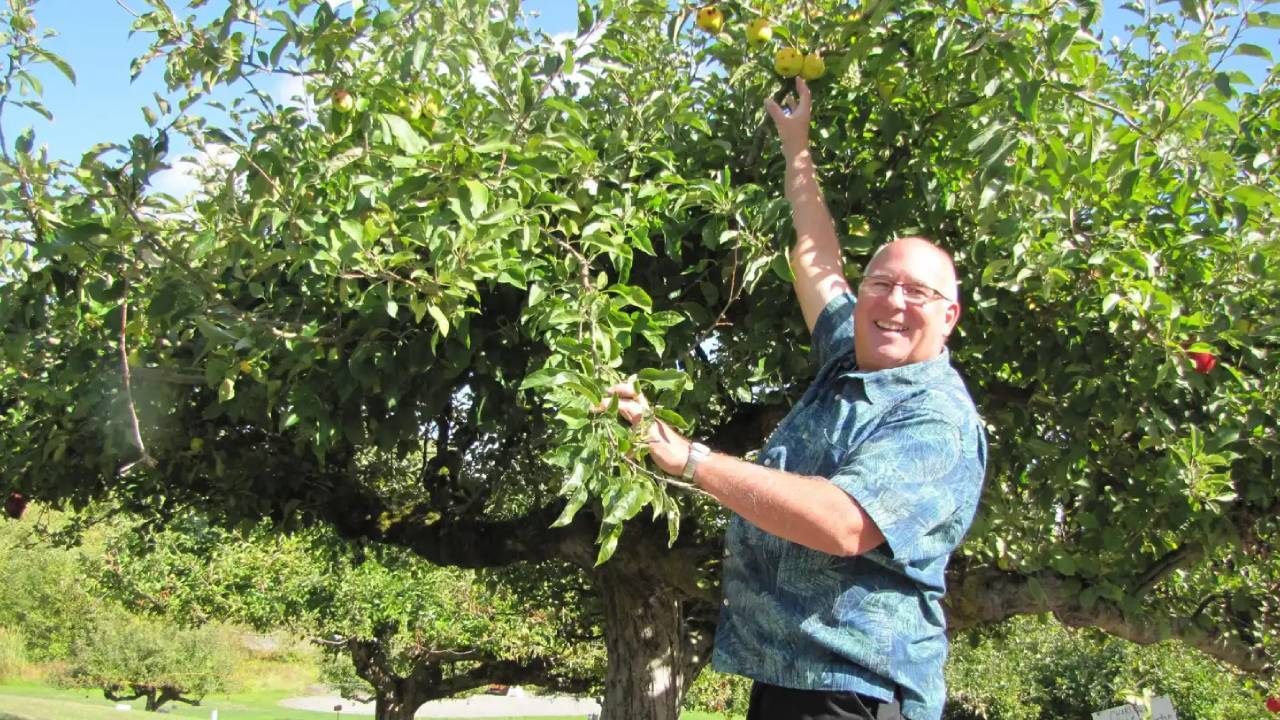
Every few years, some well-meaning romantic spends a decade crawling through overgrown orchards or abandoned homesteads, hunting for "lost" heritage fruit. The media swoops in with soft-focus photography, cooing about a retired detective or an amateur sleuth tracking down thirty extinct apple varieties like they are recovering stolen Rembrandt paintings. The narrative writes itself: heroic conservationist rescues botanical ghosts from the jaws of industrial monoculture, restoring our lost connection to the soil.
It is a comforting bedtime story. It is also entirely wrong.
I have spent two decades watching food trends consume capital, attention, and agricultural real estate while ignoring basic market mechanics. The lazy consensus in food journalism tells us that older is better, rarer is tastier, and that modern agriculture committed some original sin by streamlining orchards down to a handful of supermarket heavyweights like Honeycrisp, Gala, and Fuji.
Let us dismantle that comforting fiction. Most of those "lost" apple varieties were not stolen from us by greedy corporate conglomerates. They died out because they tasted like damp cardboard, rotted if you looked at them funny, or required more chemical defense than a Cold War bunker just to yield a bucket of bruised mush.
The Myth of the Heritage Superiority Complex
Here is the fundamental misunderstanding at the heart of heritage fruit romanticism: the belief in a golden age of flavor.
Let us define terms precisely. A heritage or heirloom variety is generally defined as an open-pollinated cultivar grown before the mid-twentieth century, before mass supply chains demanded fruit that could survive a cross-country truck ride without turning into cider in transit. Modern critics point to the narrow genetic bottleneck of supermarket produce and throw their hands up in despair, assuming that every forgotten apple plucked from a nineteenth-century ditch is a culinary masterpiece waiting to be liberated.
Imagine a scenario where you spend twelve years tracking down a gnarly, scab-ridden specimen called the Winter Banana or the Milam apple. You propagate it, nurture it in organic soil, harvest it at peak ripeness, and take a big, confident bite.
And then you realize why your great-great-grandfather chopped the tree down.
It is mealy, intensely astringent, or aggressively sour. It leaves your mouth feeling like you just chewed on a wool sock. There is a brutal economic reality behind agricultural evolution: natural selection in the marketplace is ruthless. Varieties disappear because people stopped buying them. They stopped buying them because humans generally prefer fruit that is sweet, crisp, juicy, and visually appealing over fruit that requires boiling, spicing, and heavy sweetening just to be rendered edible.
Apple breeding is not a stagnant swamp. It is an iterative engineering process. The modern Honeycrisp, developed at the University of Minnesota through decades of rigorous cross-breeding, did not happen by accident. It solved structural failures in texture and cell structure that plagued heirloom apples for centuries. To pretend that a randomly selected 1850s cider apple is inherently superior simply because it has age on it is the agricultural equivalent of insisting that a horse-drawn buggy is a better vehicle than a modern sedan because Henry Ford lacked soul.
The Survivorship Bias of the Orchard
We suffer from a severe case of historical survivorship bias. We look at surviving old texts praising the "glorious flavor" of a vanished apple and assume it was the pinnacle of pomology.
We forget that historical food writers were working with an extremely narrow baseline. When your daily alternative to an apple is porridge or salted mutton, a slightly sweet, hard-fleshed fruit tastes like ambrosia. Standards shift. Taste profiles evolve. Our modern palates expect high sugar-to-acid ratios and crisp cell walls that snap under the teeth. Asking modern consumers to embrace ancient apples for everyday eating is like telling tech workers to ditch their fiber-optic broadband for a telegraph key because it has more character.
Furthermore, the obsession with finding lost varieties distracts from the actual crisis in our food systems. We do not have a shortage of genetic diversity in global seed banks and research stations. What we have is a distribution and consumer education failure.
Instead of treating heirloom apple hunting like an Indiana Jones adventure, let us look at the operational nightmare of growing these niche cultivars. There is a reason commercial growers abandoned them. They have terrible disease resistance. They split open at the first sign of unseasoned rain. Their shelf life can be measured in hours rather than weeks. When you scale up production of these fragile relics, you either have to drown them in synthetic fungicides or watch ninety percent of your harvest rot on the ground before harvest day.
The romantic likes to blame big ag for this standardization. The pragmatist looks at food waste statistics, supply chain shrinkage, and farm margins. If an apple variety requires three times the labor and chemical intervention to produce half the yield of a modern strain, it is not an act of ecological heroism to grow it. It is an expensive, self-indulgent hobby masquerading as sustainability.
The Real Value of the Past
Does this mean every old apple belongs in the wood chipper? Not quite. There is a legitimate, highly specific niche for heritage fruit, but it has almost nothing to do with fresh eating.
The real powerhouse use for old, tannic, aggressively flavored apples is fermentation. Cider-making and perry production thrive on complexity, bitterness, and high tannin content. Modern supermarket eating apples make notoriously flat, boring cider because they lack the structural backbone of astringency. If a conservationist finds an old, inedible cider apple that yields a phenomenal, bone-dry fermented drink with notes of leather and barnyard funk, I will be the first person in line to toast their success.
Even then, let us be honest about the scale. It is a boutique market for enthusiasts, not a revolution in global nutrition.
We need to stop treating historical rediscovery as a moral triumph. The next time you read a heartwarming profile about a lone crusader rescuing forgotten vegetation from the jaws of time, ask yourself the hard question: did they find a lost treasure, or did they just dig up something the market rightfully buried a century ago?
Stop romanticizing the obsolete. Eat a good apple. Support modern breeders who are actually engineering climate-resilient, disease-resistant fruit for the future instead of curating a botanical museum of historical disappointments.
The future of agriculture belongs to performance, flavor, and sustainability, not sentimentality.