Baseball is mostly statistics and summer noise. Box scores blur together. Pennant races fade into winter. But every so often, a game intersects with history in a way that leaves a permanent mark.
That happened at Safeco Field in Seattle just days after the world shifted on September 11, 2001. Two Seattle Mariners players walked out to the outfield wall and hoisted an oversized American flag. That single act became an enduring image of grief, resilience, and unity. Years later, it was cast in bronze outside the stadium.
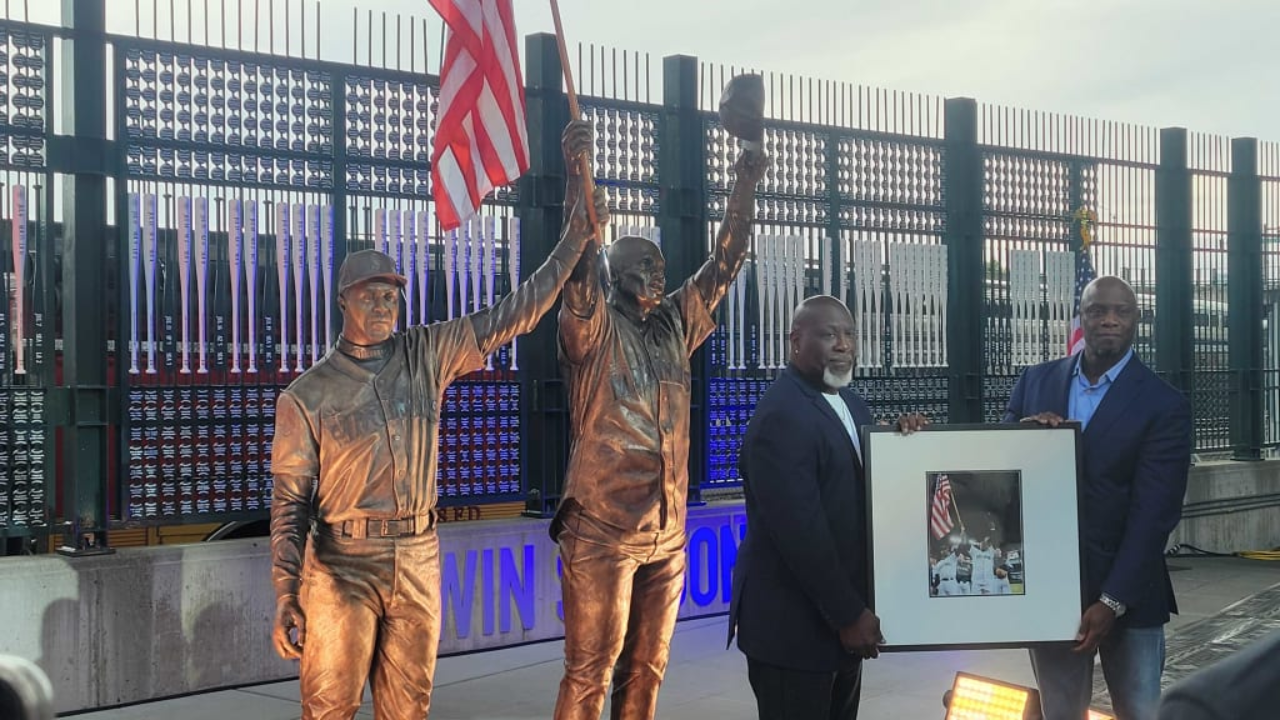
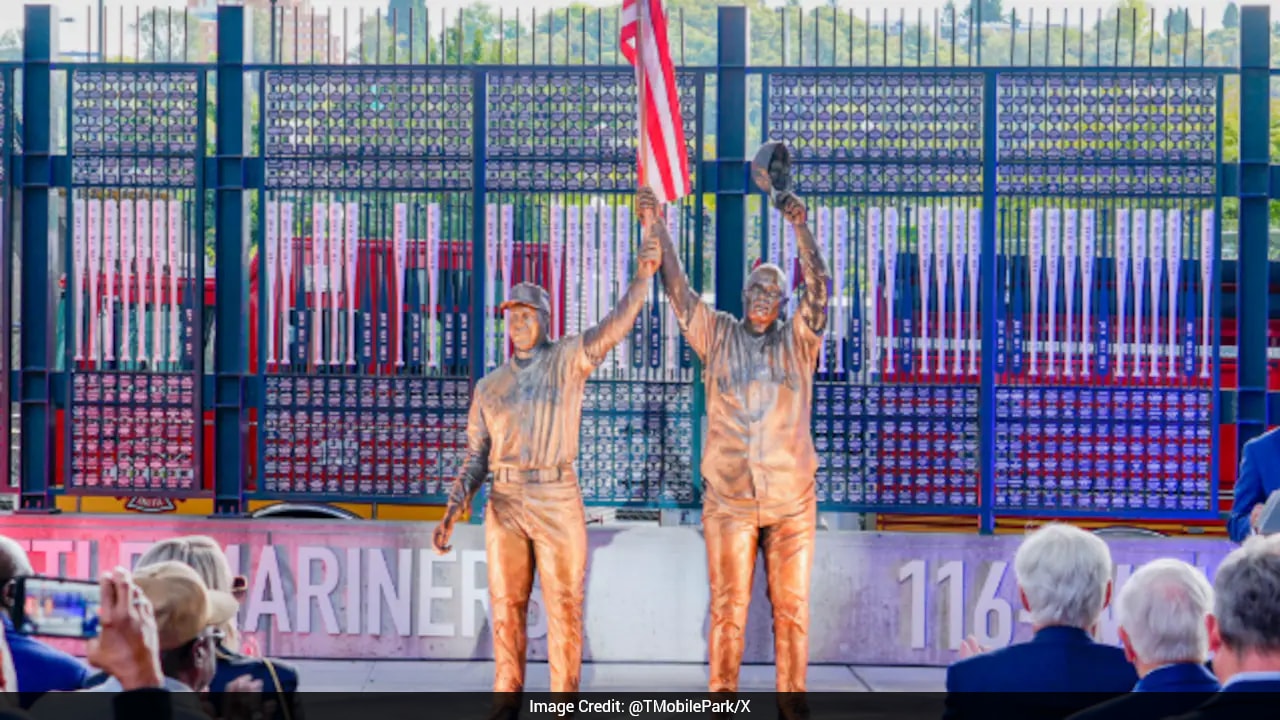
If you visit T-Mobile Park today, you can see the statue standing proudly near the home plate gates. It captures Mark McLemore and Tom Lampkin holding the flag ropes, frozen mid-motion. Most fans walk right past it without knowing the heavy context behind that exact moment. Let's fix that.
The Atmosphere at Safeco Field Right After 9/11
Major League Baseball didn't play games on September 11, 2001. Commissioners suspended the schedule for nearly a week. The national mood was raw, disoriented, and paralyzed by fear. Nobody really knew how sports fit into a grieving nation.
When the Mariners returned to the field on September 17 to play the Anaheim Angels, the stadium didn't feel like a normal ballpark. It felt like a gathering space for a shell-shocked city. Security was visibly tighter. Airplanes were still grounded overhead in many parts of the country. Fans arrived early, clutching small flags and wearing extra layers of emotional armor.
MLB mandated patriotic tributes across every venue. Teams wore American flag patches on their uniforms. Stadiums played "God Bless America" during the seventh-inning stretch. But Seattle wanted something more grounded. They wanted a gesture that felt authentic to the Pacific Northwest.
That responsibility fell onto the shoulders of the players.
The Untold Story Behind the Flag Raising
Mark McLemore and Tom Lampkin weren't superstars demanding the spotlight. McLemore was a veteran utility player who brought grit to every game. Lampkin was a backup catcher known for his steady veteran presence in the clubhouse.
When the team brainstormed ways to honor the victims and first responders, the outfield flag ceremony was proposed. McLemore and Lampkin volunteered immediately.
Raising a stadium flag isn't like pulling up the banner on your front porch. Those massive stadium flags weigh dozens of pounds. The wind off Puget Sound adds resistance. You have to haul the ropes hand over hand while tens of thousands of people watch in absolute silence.
McLemore remembers the quiet. Ballparks are notoriously loud places filled with vendor calls, hecklers, and organ music. On that night, Safeco Field was a cathedral of quiet reverence.
"You could hear a pin drop," McLemore recalled years later in interviews. "You didn't hear the usual chatter. You just felt the collective breath of forty thousand people holding it together."
As the two players pulled the ropes, the flag caught the evening breeze and unfurled against the Seattle skyline. Tears weren't hidden. Players on both benches stood uncovered, staring straight at the canvas. It wasn't about baseball anymore. It was about shared survival.
Turning A Moment Into Bronze
Statues outside sports stadiums usually honor retired Hall of Famers holding bats or throwing pitches. They celebrate athletic dominance. The Mariners chose a different path.
In September 2011, exactly a decade after that emotional night, the franchise unveiled the bronze monument created by artist Lou Cella. Instead of a hitter or a pitcher, the team immortalized two role players doing civic duty.
That choice tells you everything about the culture of the 2001 Mariners. That specific team won 116 games, tying the all-time Major League record for regular-season wins. Yet, ask any fan who lived through that summer what defines the season, and many will point past the record-breaking stats straight to the flag raising.
The sculpture stands about life-sized. McLemore and Lampkin are caught in realistic detail, right down to the folds in their uniforms and the strained muscles in their arms. It serves as a permanent anchor for fans entering the ballpark, reminding everyone that sports sometimes serve a purpose much larger than the standings.
Why People Get This Story Wrong
Casual baseball fans often confuse this monument with general post-9/11 stadium tributes. They assume every team did something similar and the Mariners just happened to build a statue because they had an open plaza.
That misses the point entirely.
The 2001 Mariners were the absolute center of the sports universe that year. Ichiro Suzuki was tearing up the league as a rookie. Edgar Martinez, Brett Boone, and Mike Cameron were driving in runs at will. The city of Seattle was deeply invested in that historic season as an escape. When tragedy struck, the burden of national morale briefly rested on this specific group of athletes out on the West Coast.
McLemore and Lampkin didn't script the moment for social media clout or television ratings. Social media didn't even exist yet. They did it because it needed to be done.
Visiting The Monument Today
If you plan to catch a game at T-Mobile Park this season, take five minutes before you go through the gates. Walk around to the home plate entrance on the corner of Edgar Martinez Drive and 1st Avenue South.
Look closely at the bronze faces. Notice the tension in the hands gripping the halyard. Read the plaque on the base.
It reminds us that cities and stadiums absorb the history of their times. Games are fleeting, but how we respond to crises sticks around for generations. That statue isn't just about a baseball team from two decades ago. It is a snapshot of a country deciding to stand back up after getting knocked down.