The chalkboard still held yesterday's algebra.
Numbers and variables, frozen in chalk dust, waiting for an eraser that would never come. When a classroom becomes a crime scene, the objects inside undergo a terrible metamorphosis. They stop being tools of growth and turn into artifacts of an ordinary Tuesday shattered by violence.
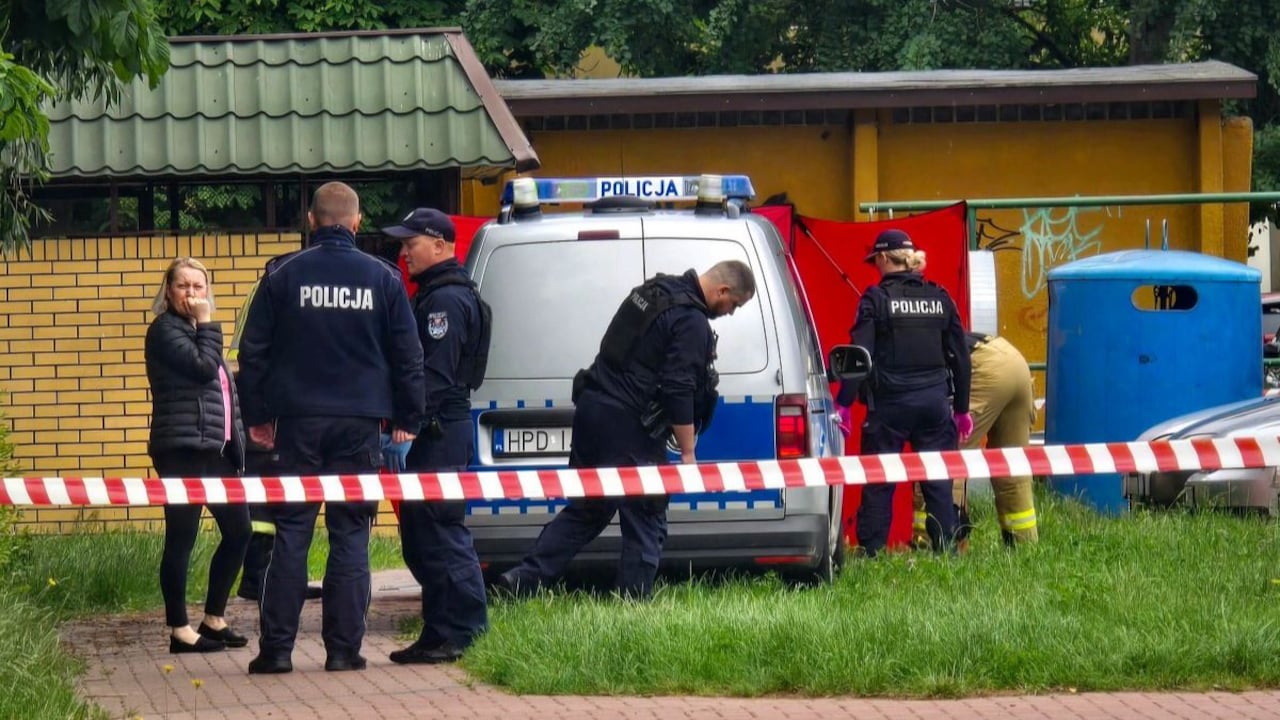
In Poland, a country still catching its breath from a sudden fracture in its sense of safety, the shockwaves of a second school attack in forty-eight hours did not arrive with a warning siren. They arrived in whispers through flickering smartphone screens, in sirens wailing down cobbled streets, and in the agonizing silence of parents waiting behind police tape.
One dead. Two injured.
Behind those stark numbers lie shattered futures, frantic phone calls that went unanswered, and a chilling realization that the sanctuary of education has grown fragile. This is not merely a report of a tragedy. It is an examination of how a society confronts the unthinkable twice in a single heartbeat.
The Anatomy of an Unthinkable Sequence
To understand the weight of what happened, we must look past the headline and examine the timeline of escalation.
On a quiet morning, inside a school facility that should have echoed with the mundane chatter of teenagers discussing weekend plans or complaining about exams, the atmosphere shifted instantly from routine to terror. According to verified reports from emergency services and law enforcement, the incident unfolded rapidly, leaving little time for standard institutional protocols to take effect.
A weapon. A confrontation. Screams that pierced the hallway chatter.
Consider what happens in the human brain during the first five seconds of a catastrophe. Time fractures. For the students cowering behind locked doors or fleeing down corridors, the abstract concept of school violence vanished, replaced by the raw, primal instinct of survival. First responders arrived to a scene of chaos, but for the victims, help came too late to prevent irreversible loss.
This tragedy did not occur in a vacuum. It followed hard upon the heels of another violent episode at a Polish educational institution just a day prior. Two attacks in two days. In a nation where such events are historically rare, back-to-back incidents create a psychological multiplier effect. The second blow does not simply add to the first; it shatters the illusion that the first was an isolated anomaly.
When Sanctuary Becomes a Target
Schools are supposed to be safe harbors. We send our children into them with the implicit social contract that the outside world, with all its chaotic cruelty, stops at the front gates.
When that contract is breached, the fallout extends far beyond the immediate community. It forces a nationwide reckoning. Parents across Poland looked at their children strapping on backpacks the morning after and felt a cold knot in their stomachs. Teachers looked at their classroom doors and wondered how a piece of varnished wood could ever stop a determined threat.
We must confront the uncomfortable truths underlying these events. Mental health strains among youth, the accessibility of dangerous implements, the copycat dynamics amplified by digital saturation, and the erosion of social cohesion all contribute to an environment where isolated individuals turn despair or rage into lethal action.
Yet, reducing this to a simple policy debate strips away the human dignity of the victims. A life was extinguished. Two others were altered forever, carrying physical scars and psychological trauma that will echo for decades.
The Ripple Effect Across Communities
Grief in a tight-knit community is heavy and suffocating. In local towns where everyone knows the baker, the teacher, and the local police officer, a tragedy inside a school ripples outward until every family feels touched by the sorrow.
Improvised memorials begin to form. Candles flicker against the cold pavement outside iron gates. Piles of white and red flowers grow hour by hour, accompanied by handwritten notes expressing a sorrow too deep for ordinary speech. These rituals of mourning are vital, but they also beg an unspoken question: How do we stop this from happening again?
The response from authorities has been swift, involving heightened police presence, psychological support teams deployed to affected institutions, and urgent legislative reviews regarding school security measures. But hardware and guards are only superficial solutions. They treat the symptom while the root causes fester in the shadows of modern adolescence.
Isolation is a quiet epidemic. In an era hyper-connected by glowing screens, young people are reporting record levels of loneliness, alienation, and hopelessness. When a troubled mind feels entirely unseen, the distance between silent suffering and catastrophic action can shrink terrifyingly fast.
Looking Inward
As the news cycle churns forward and the initial shock gives way to weary investigation, the true test of a society begins.
It is easy to demand immediate metal detectors and fortress-like security in every hallway. It is harder, and infinitely more important, to foster environments where a student in crisis feels seen, heard, and valued before they reach the breaking point. It requires listening to the quiet kids, supporting overworked educators, and recognizing that safety is not just a physical barrier, but an emotional ecosystem.
The chalk on the board remains, half-erased by time and tears.
Somewhere in Poland, a locker sits empty. A pair of shoes remains by a doorway, waiting for feet that will not return. The second bell has rung, echoing across a changed landscape, reminding us that peace is never permanent—it must be vigilantly, tenderly, and collectively guarded.