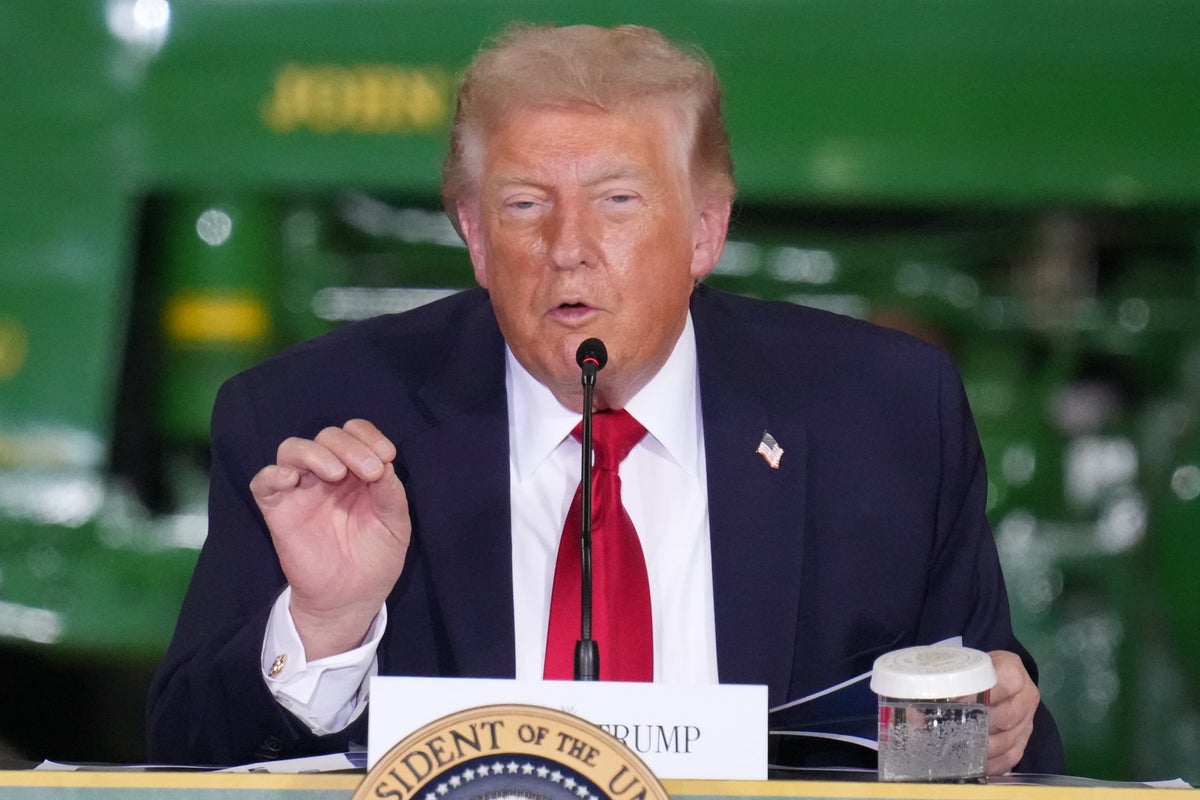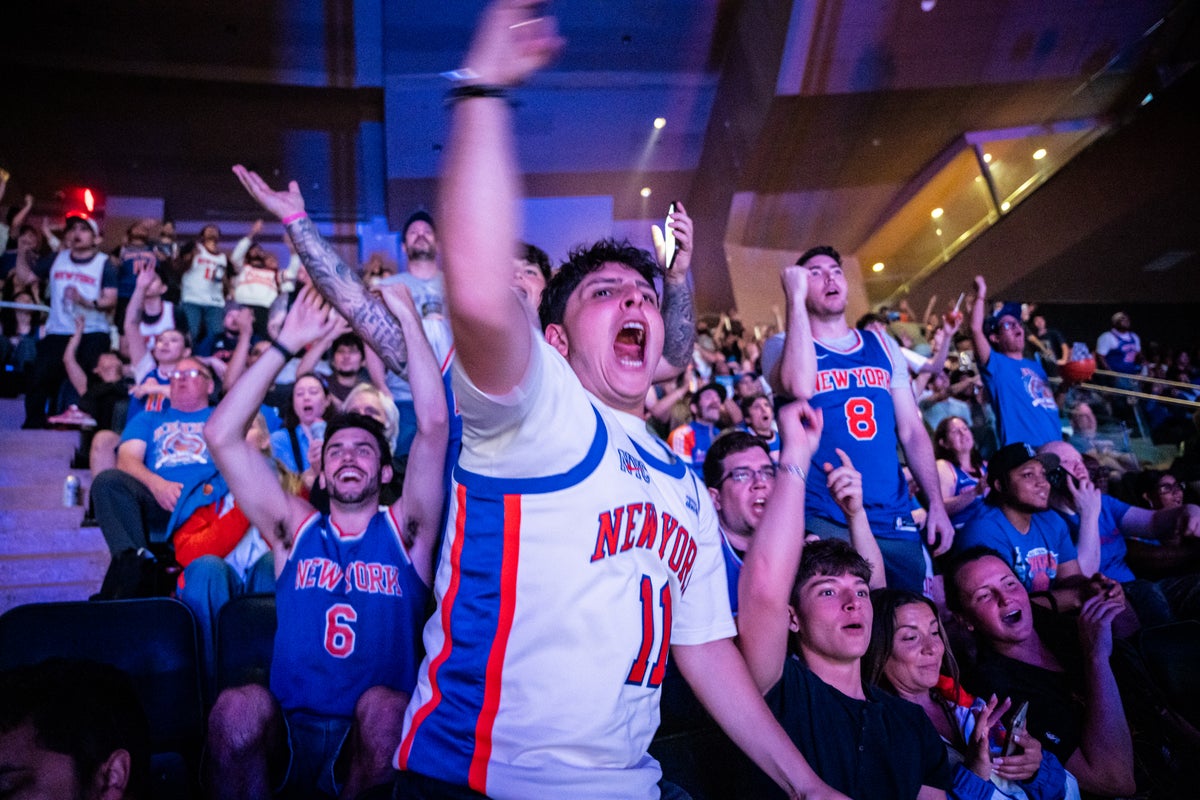
The mainstream media is treating Donald Trump’s upcoming attendance at Game 3 of the NBA Finals at Madison Square Garden like a logistical triumph. Headlines scream about "Secret Service-level security," "unprecedented lockdowns," and "TSA-style screening procedures" designed to protect the president while the New York Knicks take on the San Antonio Spurs. The narrative is always the same: a massive influx of federal agents and municipal restrictions guarantees safety.
It is a comforting lie. For an alternative look, see: this related article.
What Madison Square Garden and the Secret Service are actually rolling out for Game 3 is a textbook display of security theater. They are sacrificing real public safety, local commerce, and the fan experience to create the illusion of absolute control. The cancellation of the outdoor watch party and the draconian no-bag policy do not make the arena safer. They merely shift the vulnerability somewhere else while punishing everyday fans who paid upwards of $9,000 for a seat.
The Flawed Premise of the Arena Perimeter
Mainstream coverage praises the Secret Service and the NYPD for scuttling the outdoor watch parties around Penn Station. The logic seems straightforward: eliminate the crowd outside to minimize the variables. Further reporting on this matter has been published by The Athletic.
This ignores the fundamental mechanics of crowd dynamics. I have analyzed event security blueprints for decades, and the first rule of perimeter defense is that you do not eliminate risk by moving a crowd; you merely displace it.
By banning the official, sanctioned outdoor watch party, authorities are forcing thousands of volatile, hyper-fevered fans into unofficial gatherings across Midtown Manhattan. Instead of a centralized, policed perimeter outside the Garden, the city now faces decentralized, unpredictable flashpoints at local bars, street corners, and subways.
Consider the "airport-style screening" requiring fans to arrive two hours early. Imagine a scenario where 19,000 people clog the arteries of Eighth Avenue and 33rd Street because they cannot bring a small clutch or a briefcase. By forcing thousands of high-net-worth ticket holders and ordinary citizens to simmer in massive, slow-moving bottleneck lines outside the venue, the Secret Service has created a textbook soft target.
An security apparatus that protects the interior by creating a massive, vulnerable, stationary target on the exterior is a failure of imagination. It protects the politician at the expense of the public.
The High Cost of Bureaucratic Overreaction
The media frames these measures as necessary inconveniences. They are not. They are a display of systemic overcorrection.
- The No-Bag Policy: Forcing fans to travel without basic personal items offers zero incremental security benefit over high-speed x-ray scanners and explosive-detection K9 units. It exists because searching bags takes time, and the state would rather strip you of your convenience than optimize its own labor efficiency.
- The Transit Chokehold: Penn Station sits directly beneath Madison Square Garden. While officials claim it will remain operational, the inevitable delays and closures punish working-class commuters who have absolutely nothing to do with the NBA Finals or presidential politics.
- Economic Suppressions: Local businesses in the MSG perimeter rely on the massive foot traffic generated by playoff crowds. Canceling watch parties and barricading streets directly harms the neighborhood economy under the guise of temporary martial law.
The infrastructure required to execute this level of heavy-handed policing is staggering. It draws critical law enforcement resources away from the rest of the five boroughs to police a single basketball game where the ticket prices alone act as a multi-thousand-dollar demographic filter.
Who Really Loses in the Security Lockdown?
When Donald Trump noted on Air Force One that ordinary fans priced out of the arena could simply watch the game on television because it is "semi-free," he accidentally highlighted the supreme irony of the situation. The people bearing the brunt of this logistical nightmare are the exact people who can least afford it.
The ultra-wealthy courtside executives and celebrities arriving via private transport will bypass the worst of the outdoor checkpoints. The burden falls squarely on the arena staff, the arena security guards, the transit workers, and the upper-middle-class fans who emptied their savings to see the Knicks' first Finals game at home since 1999.
Real security relies on intelligence, low-profile surveillance, and precision interventions. It does not rely on making thousands of New Yorkers stand on a sidewalk for two hours without a bag because a local billionaire owner invited a prominent politician to sit in his luxury box.
We must stop conflating inconvenience with safety. The heavy-handed lockdown at Game 3 is not a gold standard of protective detail. It is a loud, disruptive admission that the institutions tasked with keeping us safe prefer the optics of total domination over the reality of smart, efficient protection.
Why Presidential Sports Appearances Cost Cities Millions
This local broadcast segment details the exact logistical disruptions, street closures, and canceled events hitting Manhattan as local authorities scramble to secure the arena for the high-profile game.