Day 49 is not a milestone anyone celebrates. It is a jagged edge. In the logistics of modern warfare, seven weeks is the point where the initial adrenaline—that sharp, electric terror that keeps you awake for the first ninety-six hours—finally curdles into a heavy, bone-deep exhaustion. It is the moment when the world starts to look away, bored by the repetitive cadence of sirens, while the people living under them find that their old lives have become unrecognizable ghosts.
On this Tuesday in April 2026, the sky over the Persian Gulf is a hazy, deceptive blue. Below it, the gears of the most complex geopolitical machine on earth are grinding. We aren't just looking at a map of "strategic interests" or "tactical exchanges." We are looking at the systematic dismantling of normalcy.
The Geography of the Ghost
Consider a woman named Elnaz. She is a hypothetical composite of the millions living in Tehran right now, but her reality is dictated by very real data. Seven weeks ago, Elnaz worked in a digital marketing firm. Today, she spends her mornings calculating the caloric density of dried beans.
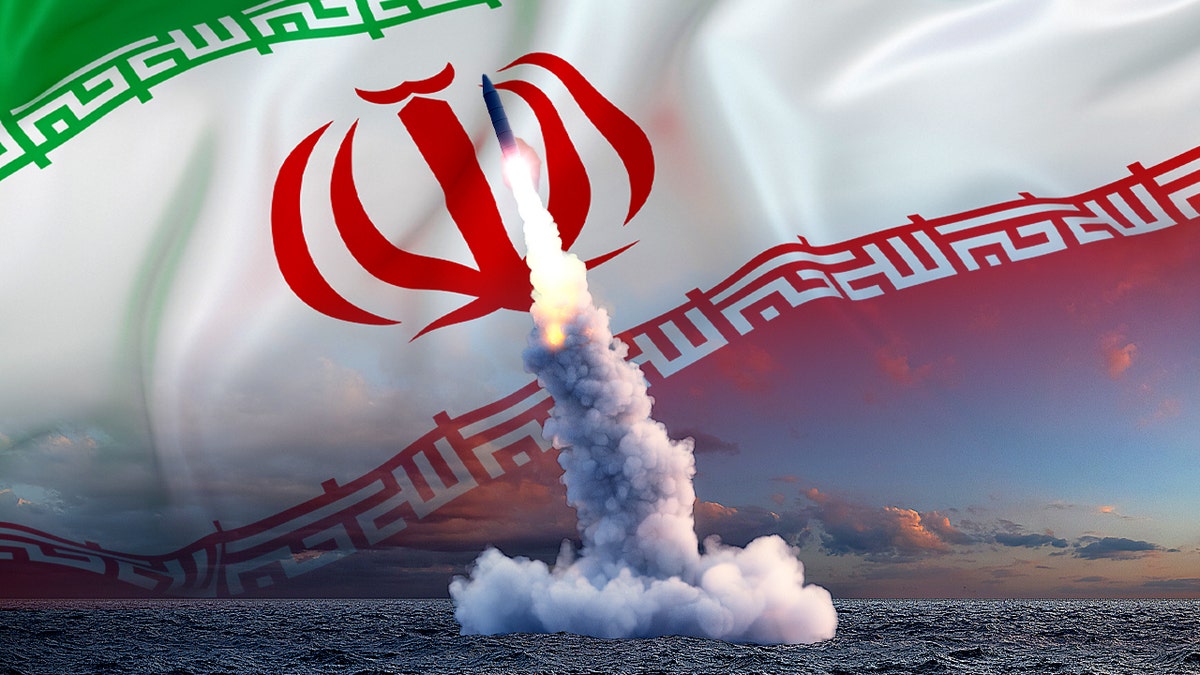
The conflict has moved past the stage of grand, televised explosions. It has entered the marrow. When the U.S. Fifth Fleet and Iranian fast-attack craft engage in the Strait of Hormuz, the immediate result isn't just a headline about oil prices. It is the sound of a grocery store shuttering in a suburb miles away because the supply chain has finally snapped.
The Strait is a narrow throat. One-fifth of the world’s liquid energy passes through it. When that throat constricts, the world gasps, but the local population chokes. Inflation in Iran hasn't just risen; it has detached itself from gravity. On Day 49, the rial is less a currency and more a cruel joke, a pile of paper that buys half as much bread as it did when the first missiles flew in February.
The Invisible Architecture of War
We often talk about war in terms of "front lines." That is an antiquated lie. In 2026, the front line is the electrical grid, the water treatment plant, and the smartphone in your pocket.
The cyber campaign has been relentless. This isn't the flashy "blackout" scenario of Hollywood movies. It is subtler. It is the transit app that refuses to load when you're trying to find a route away from a suspected strike zone. It is the intermittent failure of hospital backup generators because the software governing their load-balancing was corrupted three weeks ago.
Washington calls this "deterrence through technical degradation."
To a surgeon in Isfahan, it is the darkness that falls in the middle of a shrapnel removal. The technical reality is that the U.S. has utilized precision-guided cyber strikes to isolate Iranian command and control centers. The human reality is that the digital wall between civilian and military infrastructure has proven to be as porous as a sponge.
The Cost of Cold Steel
The military math of Day 49 is grim. The U.S. has maintained a "high-tempo" sortie rate from regional bases and carrier strike groups. To the Pentagon, this is a demonstration of logistical superiority. To a nineteen-year-old sailor on the USS Abraham Lincoln, it is a blur of jet fuel fumes, four hours of sleep, and the constant, vibrating hum of a ship that has been at General Quarters for longer than anyone’s nerves were designed to handle.
On the other side, the Iranian Revolutionary Guard Corps has shifted toward decentralized, asymmetric attrition. They aren't trying to win a naval battle in the traditional sense; they are trying to make the cost of presence unbearable.
$Cost = (R \times T) + P$
In this informal equation, $R$ is the rate of attrition, $T$ is time, and $P$ is the political will back home. As $T$ hits forty-nine days, the $P$ variable starts to flicker. In Washington, the initial bipartisan unity has begun to fray. The questions are no longer about "Why we are there" but "How we get out without leaving a vacuum that catches fire."
The Psychology of the Siren
There is a specific frequency to a long-range air defense siren that stays with you. It is a physical weight. After seven weeks, people stop running to the shelters. They just sit on their sofas and wait.
This is the "fatigue of the condemned."
We see it in the data of displaced persons. Nearly 1.2 million people have moved internally within Iran, drifting away from the coastal regions and the capital toward the rural northeast. They aren't refugees in the international sense yet—they haven't crossed borders—but they are strangers in their own country.
The U.S. military updates its "Battle Damage Assessment" daily. They count the hangars destroyed, the radar sites neutralized, and the launchers disabled. But there is no column in the spreadsheet for the number of children who have developed a permanent stutter, or the number of small businesses that will never reopen because their owners are now standing in line for subsidized rice.
The Mirage of the Endgame
If you listen to the briefings, the goal is "regional stability." It’s a sterile phrase that hides a chaotic truth. True stability isn't something you can drop from a B-2 Spirit.
The conflict has reached a stalemate of suffering. Iran’s leadership remains entrenched, their rhetoric hardened by the very strikes intended to soften them. The U.S. remains committed to a policy of maximum pressure, yet the "pressure" is being felt most acutely by the people who have the least power to change the government’s mind.
Diplomacy has become a series of back-channel whispers in Muscat and Doha. The negotiators are tired. They drink lukewarm coffee in windowless rooms, arguing over the definition of "proportionality" while the 49th sunset of the war bleeds across the Gulf.
The real danger of Day 49 isn't a new escalation. It is the settling in. It is the moment we accept that this is simply how the world is now. We stop counting the days and start counting the years.
A father in Shiraz sits in his darkened living room, holding a battery-powered radio to his ear. He isn't listening for a victory speech. He is listening for the silence that means the planes have passed for the night. He looks at his son, sleeping fitfully on the rug, and realizes he can no longer remember what it felt like to plan for a future that lasted longer than the next twelve hours.
The ink on the maps is dry, but the blood in the streets is still warm, and the distance between a "strategic objective" and a shattered life has never been smaller.