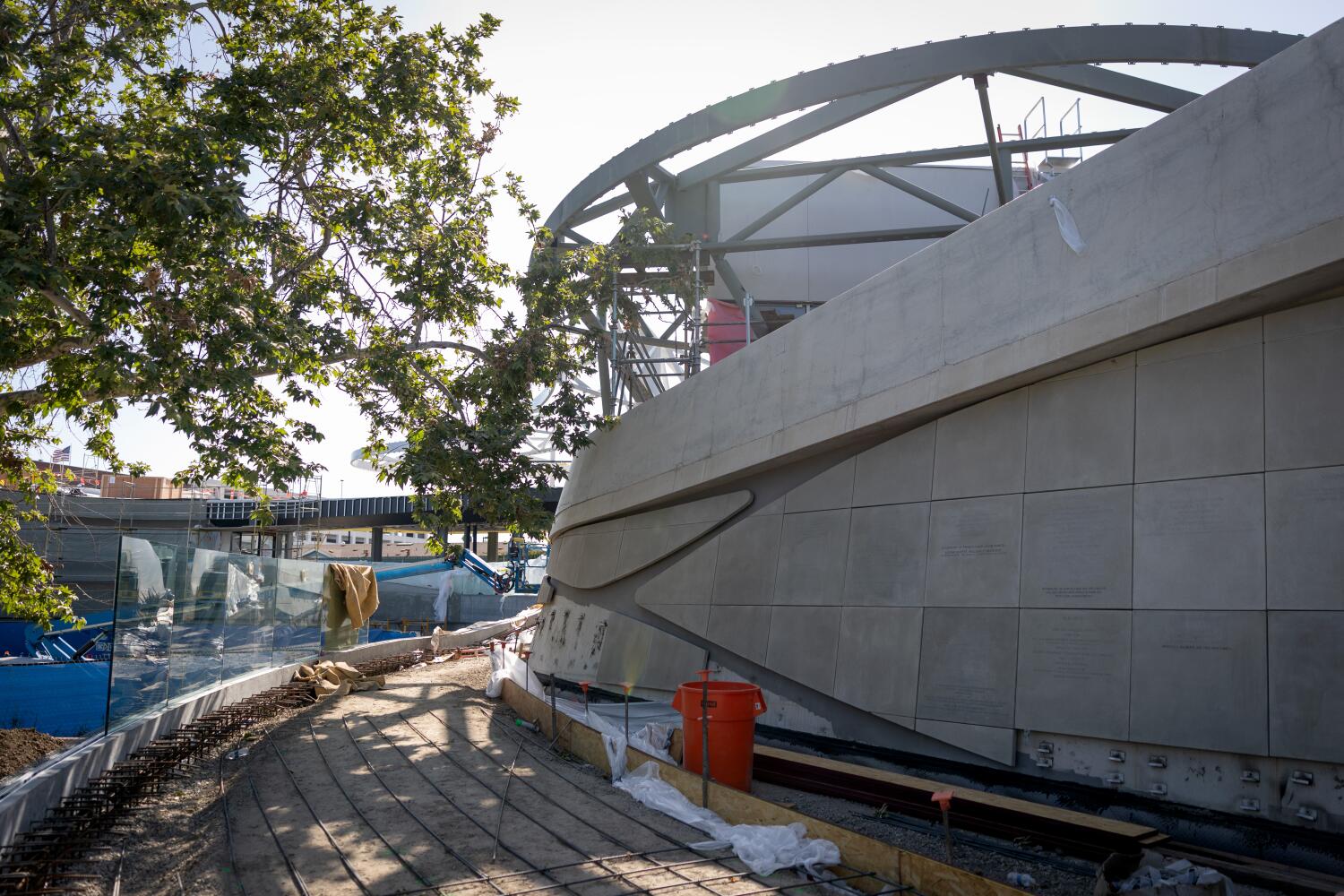
The physical footprint of the Holocaust Museum LA is about to double, but the real expansion is happening in the strategy of how we preserve a vanishing history. With the unveiling of the $70-million Goldrich Cultural Center, the oldest survivor-founded museum in the United States is moving away from the quiet, subterranean solemnity of Pan Pacific Park and into a massive, glass-encased future. This isn't just a construction project. It is a desperate race against a biological clock.
The core of this expansion addresses a brutal reality. The generation that lived through the Shoah is nearly gone. Within a decade, there will be no first-hand witnesses left to stand in a classroom and tell a student, "I was there." The $70 million invested here represents a pivot from traditional curation toward immersive, high-tech testimony designed to bridge that gap. By 2030, the museum expects to triple its annual capacity to 150,000 visitors, including 60,000 students who will walk through a campus designed to make the past feel dangerously present.
The Architecture of Urgency
The expansion, designed by Hagy Belzberg, adds 50,000 square feet to the existing site. While the original museum was famously tucked into the earth—evoking a sense of burial and reflection—the new Goldrich Cultural Center rises out of the ground with transparency and light. It is a deliberate shift. The message is no longer just about looking back into the darkness; it is about bringing that history into the light of the modern civic square.
Funding for this massive undertaking didn't appear overnight. The Goldrich Family Foundation provided the lead gift, but the capital campaign has been a masterclass in local philanthropy and state-level lobbying. California has increasingly prioritized Holocaust education as hate crimes and antisemitic incidents reach record highs in the state. This building is the physical manifestation of that policy shift.
The new space includes the Jona Goldrich Pavilion, which will house the museum’s most ambitious technological leap: the Dimensions in Testimony theater. Developed with the USC Shoah Foundation, this allows visitors to "ask" questions to a holographic survivor. The AI-driven system sifts through thousands of hours of recorded testimony to provide a real-time answer. It is eerie. It is effective. It is also the only way to ensure the dialogue between survivor and student survives the 21st century.
Beyond the Concrete and Glass
Money alone doesn't solve the problem of relevance. The real challenge for the Goldrich Cultural Center is how to maintain the specificity of the Holocaust while addressing the broader rise of authoritarianism and bigotry today. Museum leadership has been clear that they aren't building a "human rights museum" in a general sense; they are building a temple to the specific lessons of the Shoah to serve as a warning for everything else.
The expansion includes:
- A dedicated outdoor reflection garden to balance the high-tech interior.
- The Boxcar Exhibit, which features an authentic railway car found in Poland used to transport Jews to extermination camps.
- Massively expanded learning centers capable of hosting multiple school groups simultaneously without overcrowding the primary galleries.
The logistics of this expansion were a nightmare. Building in Pan Pacific Park requires navigating a maze of municipal regulations, environmental impacts, and the sensitive nature of the land itself. The fact that the museum remained operational for much of this period is a testament to a very specific kind of Los Angeles tenacity.
The Business of Remembrance
We have to talk about the numbers. Seventy million dollars is a staggering sum for a specialized museum, especially when many cultural institutions are struggling to return to pre-pandemic attendance levels. The business model here relies on a "sticky" educational experience. By becoming a mandatory stop for Southern California school districts, the museum secures its foot traffic. By creating a world-class architectural landmark, it secures its status as a premier destination for global tourists.
Critics occasionally argue that such massive spending on physical buildings is an antiquated way to fight modern hate. They suggest the money would be better spent on digital campaigns or grassroots community organizing. But there is a psychological weight to a building. You cannot scroll past a 50,000-square-foot structure. You cannot "mute" a boxcar that sits in the middle of a public park. The physical presence of the museum in the heart of Los Angeles acts as a permanent, unmovable fact in a world increasingly comfortable with "alternative" histories.
The museum’s board, chaired by figures with deep ties to the city’s financial and legal sectors, has positioned the Goldrich Cultural Center as a "cultural anchor." This isn't just about the past; it’s about the real estate of memory. They are buying a seat at the table of L.A.'s most important institutions, ensuring that even as the city changes, this specific history remains central to its identity.
The Risk of Digital Ghosts
There is a danger in the high-tech approach. When we rely on holograms and interactive screens, we risk turning the survivor into a digital curiosity rather than a human being. The Goldrich Cultural Center is betting that the quality of the technology will overcome this. They are betting that a teenager in 2040 will feel the same shiver of recognition from a hologram that a student in 1990 felt from a person sitting in a plastic chair.
This is the central gamble of the $70-million expansion. It is a massive, expensive experiment in how a society remembers. If it works, the museum becomes a blueprint for every other historical site facing the death of its primary sources. If it fails, it becomes a very expensive monument to a conversation we no longer know how to have.
The construction is nearing completion. The glass is being polished. The "Dimensions in Testimony" scripts are being tuned. Los Angeles is about to find out if $70 million can buy a permanent bridge to a past that is rapidly receding from view.
Go to Pan Pacific Park. Walk past the playground and the joggers. Stand in front of the new pavilion and ask yourself if you feel the weight of what is stored inside. That feeling is the only metric that matters.