The salt air at Bondi usually carries the scent of coconut oil and the promise of a clean slate. It is a place defined by its brightness—the glare of the sun on the Tasman Sea, the white foam of the break, the vibrant patchwork of towels stretching across the crescent of the shore. But for months, a different kind of atmosphere has clung to the promenade. It is a heaviness that doesn’t burn off with the midday heat.
When the knife went into the crowd at Westfield Bondi Junction on a Saturday afternoon in April, it didn’t just tear through flesh. It tore through the social fabric of a city that prided itself on being the exception to the world’s madness. Six people died. A baby was wounded. A community was shattered.
Now, the rooms of the New South Wales Parliament House are filled with a different kind of noise: the clinical, precise language of a coronial inquest and a simultaneous parliamentary inquiry. They are looking for the "why." They are looking for the breakdown in the system that allowed a man with a known history of schizophrenia to fall through the cracks of mental health surveillance. But as the hearings begin, the scope is widening. The grief of Bondi has collided with a darker, more systemic tremor running through the country.
Australia is waking up to the fact that its sunny disposition has been masking a fever.
The Anatomy of a Breaking Point
To understand the weight of these hearings, you have to look past the legal jargon. Imagine a young mother, similar to those who were in the mall that day, now looking over her shoulder every time she enters a crowded space. For her, the "findings" of an inquiry aren't just bullet points in a government report. They are the difference between a life lived in freedom and a life lived in a state of hyper-vigilance.
The coronial inquest is focusing on the technicalities of the failure. How did Joel Cauchi, the 40-year-old perpetrator, manage to drift between states without his medical history triggering an alarm? The facts are stark. He had been diagnosed at 17. He had cycled in and out of care. He had drifted from Queensland to New South Wales, living in hostels and storage units.
The tragedy at Bondi was a failure of visibility. When a person becomes a ghost in the system, the system can no longer protect them—or the public from them. The inquiry is forced to grapple with the uncomfortable reality that our current mental health frameworks are built for the compliant, not the chaotic. We have a system that waits for a crisis rather than preventing one.
But the Bondi attack was only the first fracture. Just days later, a second stabbing occurred at a church in Wakely. This time, the motivation was allegedly rooted in extremism. Suddenly, the national conversation shifted from mental health to something even more volatile: the rise of social friction and the specific, ugly resurgence of antisemitism.
The Invisible Stakes of the Inquiry
While the coroner examines the mechanics of the Bondi attack, a separate parliamentary committee is investigating the explosion of hate speech and antisemitism across Australia. To the casual observer, these might seem like two different stories. They aren't. They are both symptoms of a society that is losing its ability to hold itself together.
Think of it as a bridge. Mental health support and social cohesion are the pillars. When both begin to crumble at once, the bridge doesn't just sag; it collapses.
The testimony heard in the hearings so far has been harrowing. Jewish Australians describe a "new normal" where they hide their identity before boarding public transport. University students speak of walking through campuses where the air feels thick with hostility. The statistics ground these stories in a terrifying reality: incidents of antisemitism in Australia have jumped by over 700 percent since October 2023.
This isn't just about hurt feelings or offensive slogans. It is about the fundamental right to exist in a public space without fear. When the Bondi attack happened, the initial rumors on social media—falsely identifying the attacker as Jewish—ignited a firestorm of vitriol before the police had even identified the body.
That moment revealed the true danger. The speed at which tragedy can be weaponized is faster than the speed of truth.
The Cost of the "She'll Be Right" Myth
Australia has long operated under the cultural anesthesia of the "she'll be right" attitude. It’s a comfortable shrug. It’s the belief that radicalism and mass violence are things that happen "over there"—in America, in Europe, in the Middle East. Not here. Not at the beach.
The hearings are stripping away that delusion.
We are seeing that our digital borders are porous. The same algorithms that radicalize a teenager in a basement in London are working on teenagers in Western Sydney. The same systemic failures that allow a mentally ill man to go off his medication in the United States are happening in Queensland.
Consider the hypothetical case of a primary school teacher in Melbourne. She has spent her career teaching kids about the "Fair Go." Now, she finds herself having to explain why there are armed guards outside the school gates. She has to explain why some of her students are being bullied for the country their grandparents were born in. For her, the parliamentary inquiry isn't about politics. It’s about whether the values she teaches in the classroom still exist in the world outside.
The "Fair Go" is dying a slow death by a thousand cuts. Every time a hate-filled post goes viral, every time a mental health worker is too overworked to follow up on a high-risk patient, every time a politician uses a tragedy to score points rather than find solutions, the cut gets deeper.
The Mirror in the Room
Legal hearings are often dry affairs. They are held in wood-paneled rooms with fluorescent lighting. Lawyers shuffle papers. Witnesses speak in measured tones. But if you listen closely to the Bondi and antisemitism inquiries, you can hear the sound of a country trying to find its reflection.
The coroner is asking: What did we miss?
The parliamentary committee is asking: Who are we becoming?
The answers are complicated. They involve the messy intersection of privacy laws, healthcare funding, and the limits of free speech. There is a tension between the need to monitor high-risk individuals and the right to live without government overreach. There is a tension between protecting a community from hate and ensuring the right to protest.
But the most profound tension is the one we feel in our own neighborhoods. We are realizing that social cohesion isn't a permanent state. It’s a garden. If you stop weeding it, the thorns take over. For decades, we assumed the garden would take care of itself.
The Long Walk Back to the Shore
There is a specific kind of silence that follows a great trauma. In the days after the Bondi attack, the flowers piled up at the mall until they formed a wall of color that smelled of jasmine and lilies. People stood in front of that wall and cried with strangers. In those moments, the "human element" was all there was. There were no politics, no divisions, just the shared recognition of a life’s value.
The hearings are an attempt to turn that temporary unity into permanent protection.
The goal isn't just to produce a report that will sit on a shelf. The goal is to rebuild the systems that failed. This means reimagining mental healthcare so it reaches the people who don't want to be found. It means creating a digital landscape where hate isn't the most profitable product. It means acknowledging that the safety of the beach depends on the health of the society that walks upon it.
The stakes are invisible until they aren't. They were invisible on that Saturday morning in April, right up until the moment they became a matter of life and death.
The hearings will continue for months. There will be more statistics, more expert testimony, and more harrowing accounts of what happened in those frantic minutes at the shopping center. We will learn about the bravery of the police officer who ran toward the danger and the ordinary shoppers who fought back with bollards and chairs.
But the real work happens when the microphones are turned off.
It happens in the way we talk to our neighbors. It happens in the way we demand more from our healthcare systems. It happens when we refuse to let the sun set on the idea that everyone, regardless of their faith or their mental state, deserves to walk down the street in peace.
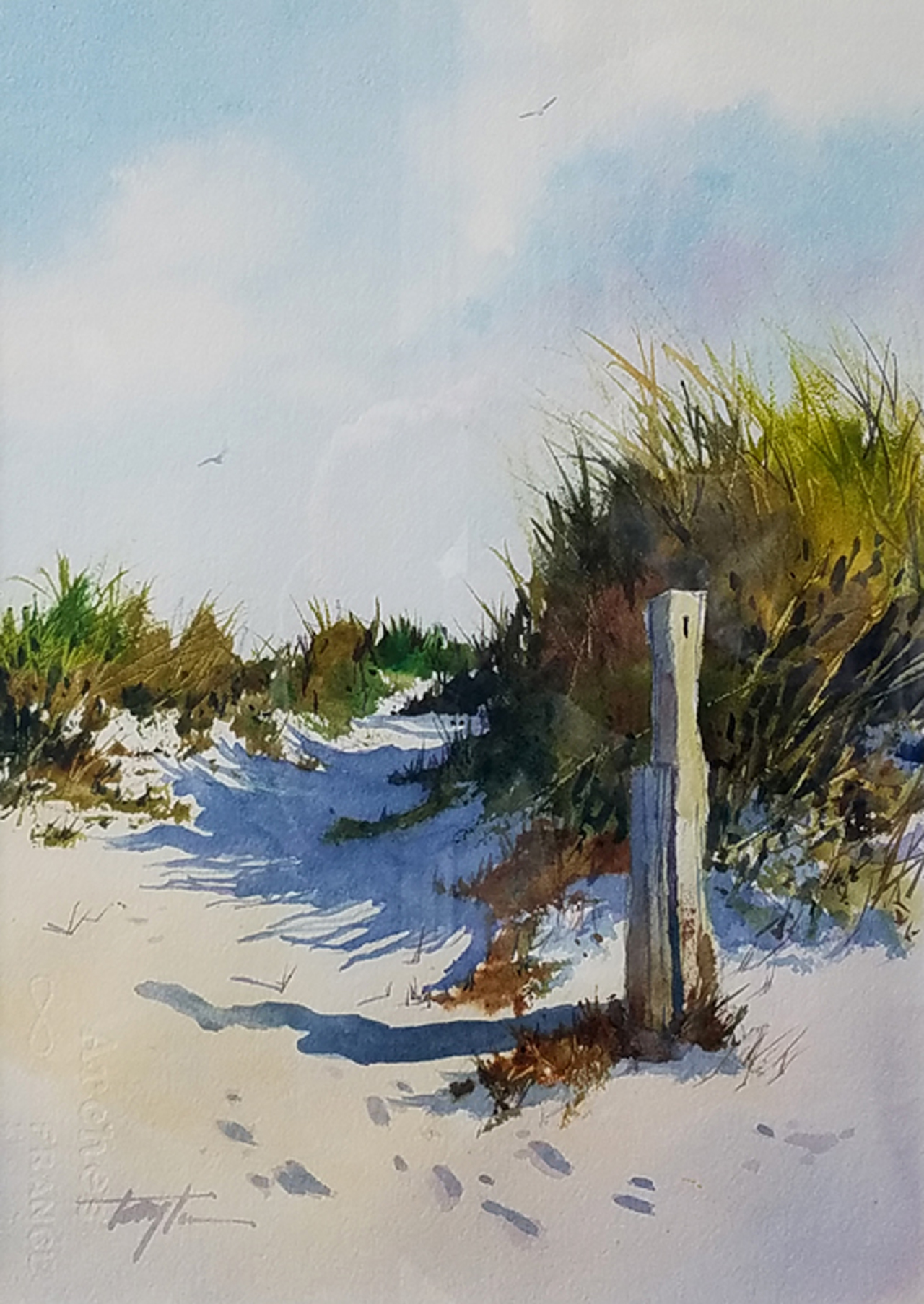
The sand at Bondi is still white. The water is still blue. But the view has changed. We can no longer afford to look only at the horizon; we have to look at who is standing next to us.
The sun is high over the promenade, but the shadows are longer than they used to be.