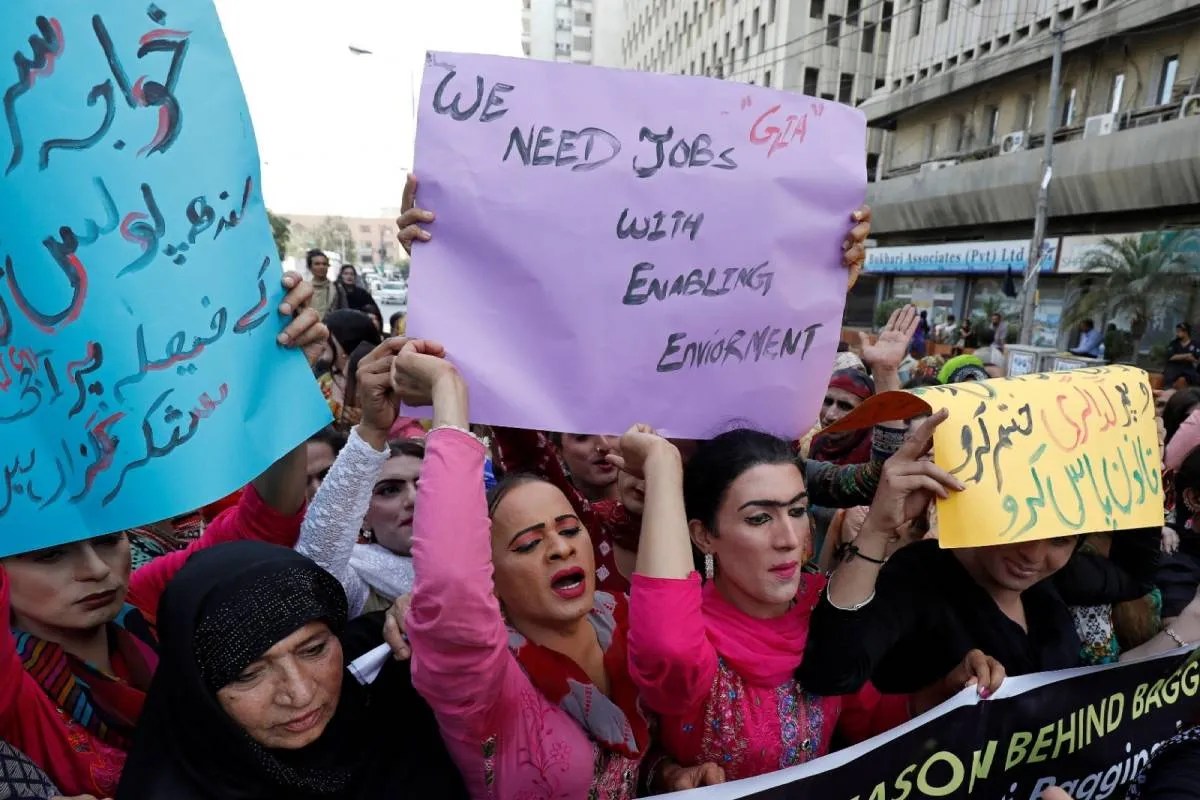
The Sindh government recently announced a job quota for transgender individuals. It sounded like a massive win on paper. A step toward inclusivity. A progressive move in a region that desperately needs it. But the actual reality on the ground is completely different. Instead of celebrating, the transgender community in Pakistan is furious. They are hitting the streets, raising voices, and asking a fundamental question that challenges the entire bureaucratic system. Why should we have to prove our identity to get a job?
The anger stems from a humiliating screening process. To qualify for these reserved government jobs, candidates are being forced to undergo invasive medical examinations. Activists argue this directly violates basic human rights and privacy laws. It turns a well-intentioned policy into an institutional nightmare.
The policy backfired because policymakers failed to consult the very people they claimed to help. When you design welfare programs from an ivory tower without understanding ground realities, you create barriers instead of opportunities.
The Flawed Logic of Identity Verification
Government departments claim they need strict verification to prevent fraud. They fear cisgender men might claim transgender status to game the system and secure government employment. This fear is vastly exaggerated. More importantly, the method chosen to prevent this alleged fraud is deeply flawed and demeaning.
The current verification setup relies heavily on medical boards. These boards consist of doctors who often lack training in gender identity issues. They subject candidates to physical examinations that are outdated and clinical. Forcing someone to undergo a physical exam to prove their gender identity is a blatant violation of the Transgender Persons (Protection of Rights) Act passed in Pakistan.
Identity is not merely a matter of anatomy. It is about self-determination. The law recognizes self-perceived gender identity. Yet, provincial departments are ignoring federal legislative standards to enforce their own arbitrary rules.
Digital Registration Barriers and Systemic Exclusion
The problem goes much deeper than medical boards. To even apply for these quotas, individuals need a Computerized National Identity Card (CNIC) that accurately reflects their gender identity. Securing this card from the National Database and Registration Authority (NADRA) is an uphill battle.
Many transgender people in Sindh are estranged from their families. They lack basic documentation like birth certificates or parents' CNICs, which NADRA requires for standard registration. Without these papers, getting an updated identity card is nearly impossible.
- Many lack formal family support networks.
- Bureaucratic hurdles at registration offices are rampant.
- Corruption and demands for bribes deter applicants.
- Lack of clear guidelines creates confusion among local officials.
We are looking at a classic systemic trap. You cannot get the job without the quota. You cannot get the quota without the ID card. And you cannot get the ID card without the family documents you lost years ago when you were thrown out of your home. It is a cycle of exclusion.
Real Integration Requires Cultural Change Not Just Percentages
Setting aside a specific percentage of jobs looks great in a press release. It satisfies international donors and creates a veneer of progress. But a quota alone does not fix a toxic workplace culture.
Imagine passing the humiliating medical board, navigating the NADRA bureaucracy, and finally landing a desk job in a government office. What happens next? The workplace remains deeply transphobic. There are no gender-neutral restrooms. There is zero sensitization training for coworkers. Supervisors often use incorrect pronouns or assign menial tasks out of sheer prejudice.
Tokenism is not empowerment. True integration requires comprehensive workplace sensitization programs before any hiring begins. Without a safe environment, retention rates for these quota seats will remain abysmally low. The policy will fail, and officials will blame the community instead of fixing the system.
Legal Precedents and the Fight for Autonomy
The current protests in Sindh are not happening in a vacuum. They are part of a long-standing legal battle over trans rights in Pakistan. The 2018 Transgender Persons Act was hailed globally as a landmark piece of legislation because it explicitly guaranteed the right to self-identify.
However, conservative factions have consistently challenged this law in courts, claiming it goes against traditional values. This legal limbo has emboldened provincial bureaucrats to create their own restrictive rules, ignoring the spirit of the original federal act.
Activists are demanding that the Sindh government align its hiring processes with the principles of self-determination. They want the medical boards disbanded immediately. Verification should rely on community-based certification or simplified affidavit systems, not invasive physical checks.
To fix this crisis, provincial authorities must halt the current medical screening process immediately. Establish a joint committee comprising transgender activists, legal experts, and human rights officials to draft a respectful, streamlined verification process based on self-identification. Simultaneously, launch mandatory diversity and anti-harassment training across all government departments to prepare workplaces for a genuinely inclusive workforce.