Ten thousand meters above the earth, the world looks entirely orderly. Below, clouds flatten into pale oceans of cotton, stitching together continents that tear at each other down on the ground. Up here, the air is thin, cold, and indifferent to human borders. Passengers recline their seats, listening to the muffled rhythm of jet engines through foam-padded headphones. They sleep. They sip lukewarm coffee poured from plastic carafes. They trust an invisible contract signed the moment their boarding passes were scanned: the belief that the two people behind the reinforced steel door at the front of the cabin want nothing more than to land safely.
That contract is sacred. It has to be. Because once the wheels leave the tarmac, every soul on board surrenders their autonomy entirely to strangers. Meanwhile, you can find other stories here: When Extreme Tourism Goes Wrong The Terrifying Reality of Careless Adventure Operators.
Then came the flash across the news tickers.
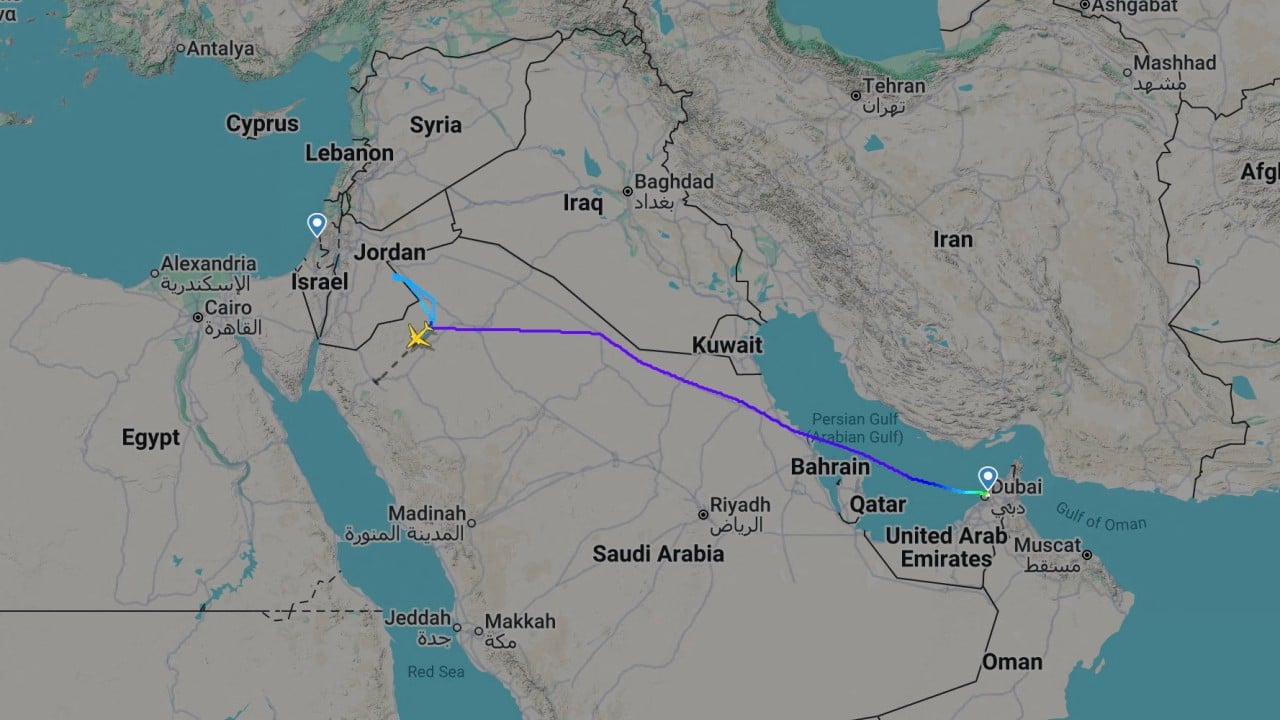
Israeli officials speaking with grave, measured tones. A diverted flydubai flight. Whispers of an investigation into what might have been an attempted terror attack executed from the inside. Not by a passenger slipping through a lax checkpoint with a smuggled blade. Not by an outsider with a grudge. But by a pilot. By the very person entrusted with the keys to the sky. To explore the bigger picture, we recommend the detailed analysis by The Washington Post.
The human mind recoils from the thought. It is easier to fear the storm, the metal fatigue in a wing spar, the sudden drop in hydraulic pressure. Those are mechanics. Those are the known terrors of physics. But a corrupted intention behind the yoke? That shatters the foundation of how we move through the modern world.
Consider what happens in the quiet hours of a flight.
The autopilot hums. The cabin lights dim to a soft, bruised amber as passengers drift into uneasy dreams across time zones. Inside the flight deck, the atmosphere is its own microclimate. It is cramped, illuminated by the ghostly green glow of navigation displays and the pale amber digits of altitude readouts. Hours pass in silence broken only by occasional static chatter from regional air traffic control.
In that isolation, a human being is entirely alone with their thoughts.
For the vast majority of aviators, that solitude is a cathedral of focus. They look out at the curve of the planet and feel a profound weight of responsibility. They carry families, children, old men returning home, young lovers starting over. Every switch flipped is a vow. Every calculation is a promise kept.
Yet, every system built by humanity bears the vulnerability of its maker.
When intelligence officials began piecing together the telemetry and the erratic flight path deviations of that flydubai aircraft, they were not just tracking coordinates on a map. They were excavating a psychological collapse. They were tracing the terrifying trajectory of a mind turning inward, weaponizing thousands of pounds of commercial aluminum against the very people who trusted it implicitly.
We rarely talk about the loneliness of modern transit. We board massive machines that hurtle through the stratosphere at eight hundred kilometers per hour, treating them like airborne buses. We scroll on our phones, complain about the legroom, and grumble over the saltiness of the pretzels. We forget the sheer, fragile audacity of it all. We are suspended in a medium that hates us, kept aloft only by Bernoulli's principle and the unyielding vigilance of two individuals locked in a cabin.
When that vigilance is compromised, the illusion peels back.
The official reports are clinical. They speak of security assessments, counter-terrorism protocols, flight data recorders, and intelligence sharing between nations. They use neutral nouns to sanitize an event that belongs entirely in the realm of nightmares. But beneath the bureaucratic vocabulary lies a deeply human panic. How do you screen for intent? How do you build a firewall around a human soul?
You cannot.
That is the terrifying vulnerability we accept every time we travel. We cannot X-ray a pilot's grief, their ideological radicalization, their sudden psychotic break, or their quiet descent into despair. Security checkpoints can detect steel, plastic explosives, and organic liquids. They cannot scan for a fracture in the human will.
Imagine sitting in row twenty-two, staring out the window at the absolute blackness of a night flight over the Middle East. You see the faint blue flicker of the anti-collision strobe light winking against the wingtip. You wonder if anyone is awake up front. You assume they are scanning instruments, sipping water, perhaps talking quietly about their families or their next layover.
You do not imagine that behind the locked door, a silent battle might be raging between a person's duty to humanity and their own internal darkness.
The flydubai incident, scrutinized in the tense corridors of international security agencies, forces us to confront a bleak reality. The greatest threats of the twenty-first century are no longer confined to bearded men hiding in remote caves or underground cells plotting with crude explosives. Sometimes, the threat wears a crisp white shirt with four gold stripes on the epaulets. Sometimes, the threat wears a headset and knows every emergency override code built into the airframe.
Aviation security has evolved through decades of blood and paranoia. After the hijackings of the 1970s, we got metal detectors. After the horrors of September 11, we got reinforced cockpit doors designed to withstand a battering ram. We locked the pilots away from the world to keep the world away from the pilots.
We forgot to check if the lock worked both ways.
We created an absolute fortress to keep intruders out, unwittingly turning the flight deck into an isolated cell where a troubled mind can operate entirely unchecked until it is too late. It is a grim paradox of modern engineering. In our quest to eliminate external vulnerabilities, we concentrated all the power—and all the risk—into fewer and fewer hands.
The investigation into the flight continues behind closed doors. Classified memos circulate in Washington, Tel Aviv, and Dubai. Diplomats weigh the diplomatic fallout of airing the raw, ugly truth about insider threats in an industry that relies entirely on public confidence. If people stop believing the pilots are safe, the global aviation engine stalls overnight. Economies tethered to tourism and international commerce would shudder.
So the system absorbs the shock. It adapts. It whispers of new psychological screening protocols, enhanced monitoring, and stricter crew resource management where co-pilots are empowered—and perhaps required—to actively police not just the aircraft's systems, but each other's mental stability.
Down on the ground, life resumes its frantic pace. Planes lift off every few seconds from Heathrow, JFK, Dubai, and Ben Gurion. The jet trails etch white scars across the blue afternoon sky.
Passengers still recline their seats. They still sleep through the turbulence, trusting the machine and the men and women who guide it. They have to. To live in the modern world is to surrender to a cascading series of trusts, handing your life over to strangers thousands of times a day without a second glance.
But the next time you board a wide-body jet, as the heavy door seals shut with a pneumatic hiss and the safety video begins its familiar pantomime, pause for a second. Look up toward the flight deck. Think about the invisible boundary up there, separating the cabin from the controls.
Remember the fragility of the peace we fly through.
The engines scream. The airframe vibrates with the surge of thrust. The runway lights blur into a streak of amber and white, and suddenly, you are airborne once more, suspended over an abyss, holding your breath in the dark.