Rain in Buckinghamshire has a way of sounding less like weather and more like a verdict.
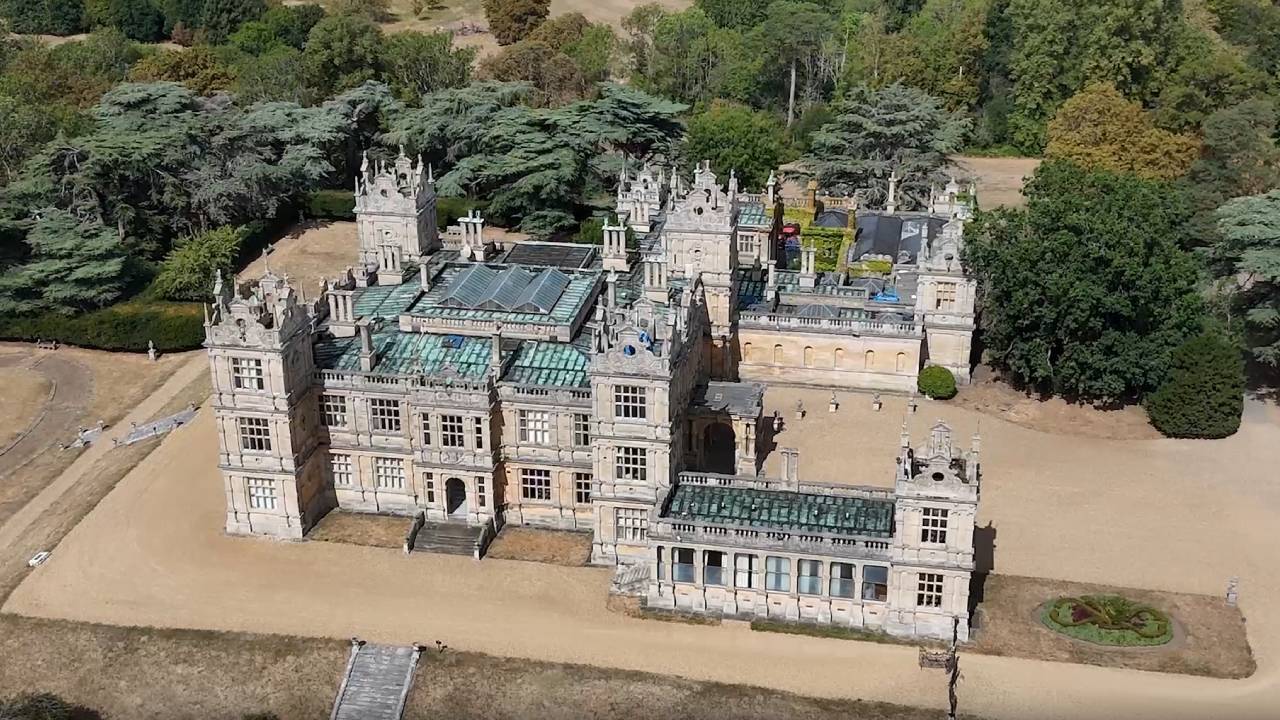
I stood outside the iron gates of Mentmore Towers three autumns ago, watching water run down carved limestone faces that had long forgotten what it felt like to be touched by a friend. The estate is vast, severe, and undeniably gothic. To anyone who grew up watching Christopher Nolan reshape modern cinema, this place is sacred ground. This is where Christian Bale stood as Bruce Wayne, staring out into a rain-slicked courtyard while his ancestral home burned to ash.
Cinematic pyrotechnics are easy when you have a multimillion-dollar budget and special effects crews waiting in the wings. Reality is far more stubborn. In the real world, Wayne Manor is not burning. It is rotting.
And now, the state wants to take it back.
Recent legal maneuvers suggest that Mentmore Towers, a masterpiece of Victorian excess that has slipped into profound administrative purgatory, could face seizure over mounting, unaddressed structural repairs. Local authorities and heritage watchdogs are reaching the end of their patience. You cannot simply let a Grade I listed architectural titan crumble into dust just because you cannot figure out who holds the deed or who has the deep pockets required to fix a leaking roof the size of a football field.
Consider what happens when history becomes an orphan.
Mentmore was built in the 1850s for Baron Mayer de Rothschild. It was designed by Joseph Paxton, the architectural genius behind the Crystal Palace, as a temple to wealth, art, and untouchable permanence. For generations, it absorbed priceless collections of European porcelain, Renaissance paintings, and the whispered secrets of aristocracy.
Then the twentieth century happened. The Rothschilds sold it. A succession of owners came and went, each with grand visions that inevitably curdled into financial dead ends. Maharishi Mahesh Yogi, the spiritual guru who famously mentored The Beatles, bought it in the late twentieth century with plans for a management university. That dream dissolved. Film crews arrived, scattering fake snow across the lawns for movies like Eyes Wide Shut and Batman Begins, injecting millions of dollars and a temporary pulse into dying rooms before packing up their trucks and driving away into the London fog.
Hollywood leaves. The rain stays.
A building of this scale does not simply age; it wages a silent war against the elements. Dry rot does not care about box office grosses. Plaster crumbles whether a billionaire walked across the floorboards or not. When maintenance stops, decay accelerates exponentially. Water finds a hairline fracture in a slate roof, pools in a ceiling fresco, and gravity does the rest.
This brings us to the core tension of architectural preservation. Who actually owns a masterpiece?
Legally, a deed sits in a filing cabinet with a specific name on it. Morally, culturally, emotionally, Mentmore belongs to anyone who ever watched the dark knight walk its halls and felt a shiver of vicarious power. But emotion does not pay for scaffolding. It does not replace lead flashing. It does not hire master stonemasons who know how to carve Bath stone without destroying the structural integrity of a load-bearing wall.
Local councils are caught in an impossible bind. They are not real estate developers. They are municipal guardians with strapped budgets, staring down the barrel of a decaying leviathan that poses both a public safety hazard and an unbearable eyesore. Compulsory purchase orders or seizure threats are rarely born out of malice. They are acts of desperation.
When a private owner hoards a cultural treasure and lets it starve, the community invokes its ultimate leverage. Step up, or step aside.
Walk through the village of Mentmore on a Tuesday afternoon, and you will find an eerie quiet. Locals do not talk much about the mansion on the hill anymore. They are tired of the cycle. They have seen the film crews come and go. They have read the speculative headlines about luxury hotels, boutique spas, and millionaire buyers swooping in to save the day. They have watched every single one of those deals evaporate like morning mist over the Chiltern Hills.
Fatigue is a powerful anesthetic.
Yet, beneath the local apathy lies a quiet, protective instinct. Nobody wants to see a Paxton masterpiece reduced to a pile of rubble surrounded by chain-link fences and trespassing signs. Even if the current reality is grim, the ghost of what the building represents is too heavy to let go of completely.
This is where the concept of heritage meets the cold machinery of law. Seizing a historic property is a messy, litigious nightmare. It involves court battles, valuation disputes, and massive liabilities for the taxpayer if the state suddenly inherits a building that requires twenty million pounds just to keep the wind out.
Imagine the ledger. On one side, endless columns of expenditure for structural stabilization, asbestos removal, and lead paint remediation. On the other side, an abstract return on investment measured in cultural continuity and civic pride.
Accountants hate that math. History demands it anyway.
If the state does take possession of Mentmore Towers, what comes next is not a miraculous restoration. It is a long, grinding administrative marathon. Government bodies do not wave magic wands to fix broken masonry. They issue tenders. They debate committee reports. They apply for heritage lottery grants.
And while the committees argue, the rain keeps falling.
There is a lesson here about legacy that extends far beyond Buckinghamshire limestone. We live in a culture obsessed with the aesthetic of ruin. We love the romance of abandoned places, the haunting beauty of a shattered chandelier, the poetic melancholy of nature reclaiming human ambition. Instagram filters make decay look fashionable.
Real decay smells of damp wool, rotting timber, and stagnant water. It smells like failure.
When Bruce Wayne watched his manor burn in the film, it was a cathartic cleansing. Fire destroys ambiguity. Fire forces a fresh start. But in the real world, things rarely burn down cleanly. They linger. They sag. They split apart at the seams over decades, daring someone to care enough to stop the rot.
Mentmore Towers stands at that exact precipice today. It is too grand to demolish, too expensive to ignore, and too fragile to leave alone much longer.
The legal papers are drawn. The clock is ticking down on the current owners. Somewhere inside those drafty, vaulted halls, a ceiling beam is quietly groaning under the weight of another unseasonable storm, waiting to see who will answer the door when the bailiffs finally arrive.