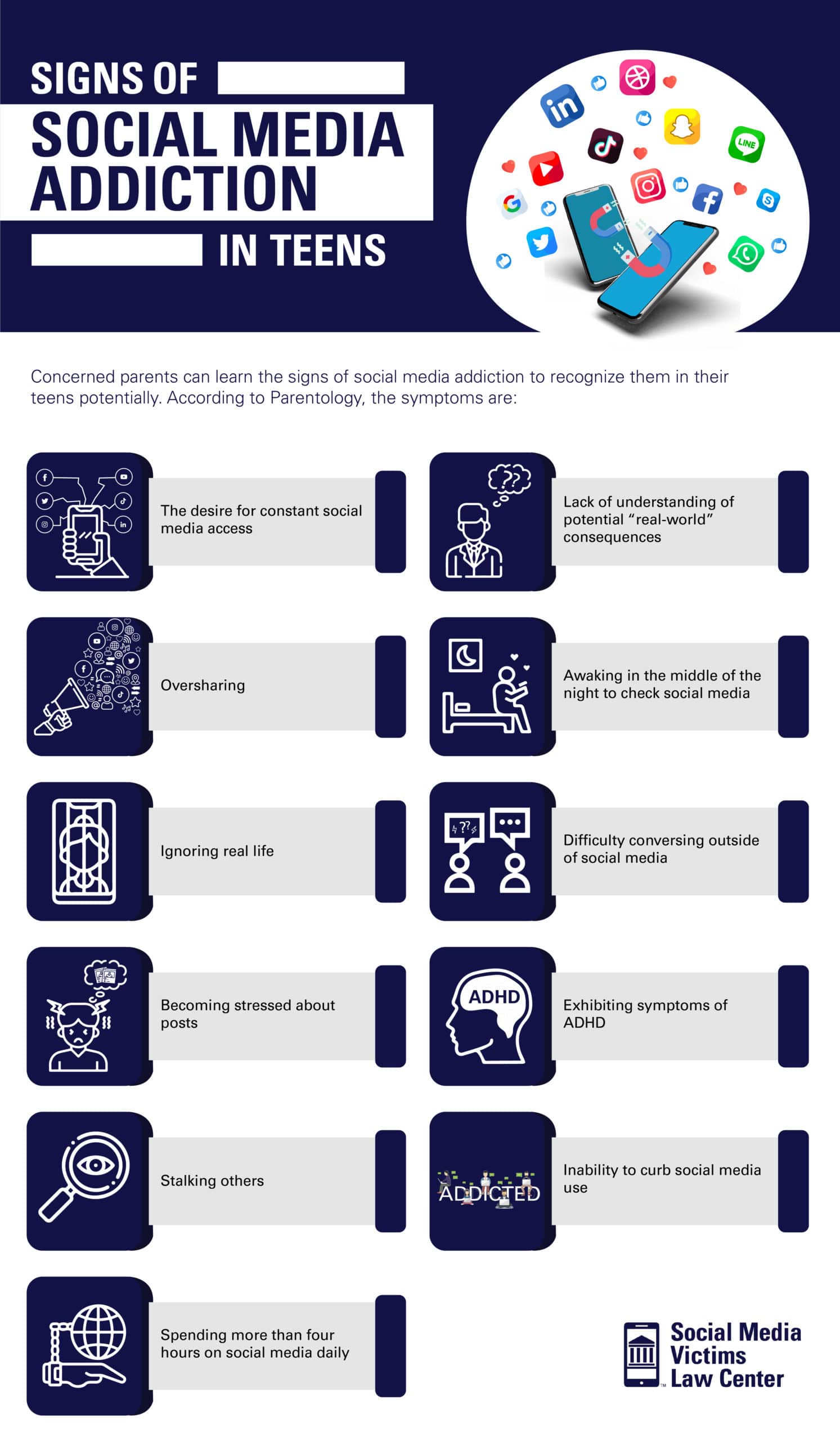
The recent "landmark" ruling against Meta and Google isn't the legal earthquake the media wants you to believe it is. It’s a distraction. While tech law experts scramble to explain the "fallout" of judges allowing addiction claims to move forward, they are missing the fundamental mechanics of how product liability works and how software is actually built.
The consensus is lazy. It suggests that by simply proving these platforms are "addictive," we can force a redesign that makes them "safe." That is a fantasy. It treats software like a defective car brake or a contaminated batch of medicine. But code isn’t a physical widget, and "engagement" isn't a bug. It’s the entire point. Discover more on a related topic: this related article.
The Myth of the Defective Algorithm
The core of these lawsuits rests on a flawed premise: that features like "infinite scroll," "intermittent rewards," and "push notifications" are design defects.
In a standard product liability case, you prove that a product was "defectively designed" and that a "safer alternative" was available. Lawyers and tech-skeptic pundits keep suggesting that if we just "removed the algorithm," the platforms would be safe. This shows a complete lack of understanding of how modern software operates. More reporting by Mashable delves into comparable views on the subject.
An "algorithm-free" Instagram or TikTok isn't just a safer version of the product; it's a non-functional product. Without an algorithm, your feed is either empty or a chaotic, unusable firehose of every piece of content uploaded by every person you follow in chronological order. For someone following 1,000 accounts, that’s 20,000 posts a day. The algorithm is the curator. It is the product.
The "Addiction" Fallacy
We are misusing clinical language to describe bad habits.
Wait—don't get angry yet. I’ve seen companies burn millions of dollars trying to "gamify" health apps and financial tools. I’ve watched UX designers spend years trying to replicate the "hook" of a slot machine. It rarely works outside of a very specific set of circumstances.
The idea that Google or Meta "hacked" the human brain is a gross oversimplification of neurobiology. It’s a convenient narrative for parents and regulators who want a villain, but it falls apart under scrutiny. Most users aren't "addicted" in any clinical sense; they are bored, lonely, or seeking a dopamine hit that they can't find elsewhere in their immediate environment.
By framing this as a product liability issue, we are treating teenagers like they are infants who lack any agency. We are also ignoring the massive, inconvenient reality that millions of people use these same tools without becoming "addicts." If a product is "inherently dangerous," it should be dangerous for everyone. If it’s only dangerous for a subset of vulnerable people, that’s not a design defect; that’s a user-specific reaction.
Why the Current Legal Strategy Backfires
The current legal push—focused on addiction—is actually going to make these platforms worse, not better. Here is why.
If a judge rules that "infinite scroll" is a defect, Meta won't just stop people from scrolling. They will find a new way to deliver the same amount of content in a slightly different UI wrapper. This leads to what I call "Compliance Bloat."
Compliance Bloat: The New User Experience
I have worked with enough legal departments to know exactly how they react to these rulings. They don't make the product "safer." They make it more annoying.
- Banner Fatigue: You’ll get more "Are you sure you want to keep scrolling?" pop-ups that you’ll click through without reading.
- Consent Overload: More checkboxes, more terms of service updates, and more "I acknowledge the risks" buttons.
- Walled Gardens: To protect themselves from liability for younger users, platforms will make it harder for everyone to sign up, forcing more intrusive ID verification that hands even more of your private data to big tech companies.
We are trading "addiction" for "friction," and friction has never solved a deep-seated behavioral issue.
The Section 230 Smoke and Mirrors
The "tech law experts" love to talk about Section 230 of the Communications Decency Act. They argue that by focusing on "design" rather than "content," they can bypass the immunity that platforms have.
This is a clever legal loophole, but it’s logically bankrupt. You cannot separate the "design" of a feed from the "content" it displays. The design is the method of delivery for the content. If I sue a bookstore for having "too many interesting books on the front table" because I spent too much money there, I am still suing them for the books they chose to display.
The moment a judge starts dictating how content must be ordered (chronological vs. algorithmic), they are engaging in a form of compelled speech and editorial control. This isn't just a tech issue; it's a First Amendment disaster waiting to happen.
The Math of Engagement
Let's look at the actual math of how these platforms optimize.
$$E = \sum_{i=1}^{n} (w_i \cdot c_i)$$
Where $E$ is total engagement, $w_i$ is the weight the algorithm gives to a specific content type (like a video of a friend), and $c_i$ is the predicted probability of a user interacting with it.
Plaintiffs want to force platforms to lower $E$. But companies have a fiduciary duty to shareholders to maximize $E$. If you pass a law that says "you cannot use variable rewards to maximize $E$," the company will just find a different set of variables. They will pivot to "long-form immersion" or "community-driven loops."
They are chasing a ghost. As long as the business model is "sell ads against human attention," the platform will always be designed to capture as much of that attention as possible. Suing the design is like suing a casino for having bright lights and no windows. You're attacking the symptoms, not the virus.
People Also Ask: Dismantling the FAQs
Is social media addiction a real thing?
Clinically? The DSM-5 doesn't even recognize "Social Media Addiction" as a formal diagnosis. It recognizes "Gaming Disorder," but even that is controversial. We are using a medical term to describe a cultural shift in how we spend our time. Until we have a clear, scientific definition of what "addicted" means in this context, these lawsuits are just emotional appeals dressed up in legal jargon.
Can't we just ban algorithms for kids?
Sure, if you want kids to never find anything interesting and instead be exposed to a random stream of garbage. Algorithms aren't just for "addiction"; they are for filtering. Without them, the internet is a landfill.
Will these lawsuits force Meta to change?
They will force Meta to hire more lawyers and UI designers who specialize in "defensive design." It will not make the app "healthier." It will just make it more legally defensible.
The Brutal Truth: It’s Not the Design, It’s the Life
I’ve spent twenty years in this industry. I’ve seen the internal metrics. I’ve seen how users behave. Here is the secret no one wants to admit: People use social media because their real lives are often less stimulating, more stressful, and more isolating than the digital world.
If you "fix" TikTok tomorrow, kids aren't going to suddenly start frolicking in meadows. They will find the next thing. They will move to Discord, or VR, or whatever comes next.
The lawsuit against Meta and Google is a "feel-good" exercise for a society that doesn't want to deal with the actual causes of the youth mental health crisis—lack of community, economic anxiety, and the collapse of "third places" where people can gather in real life for free.
By blaming the "infinite scroll," we are letting ourselves off the hook. We are saying that the problem is a piece of code, not a systemic failure of our social structures.
The Liability Trap
Wait until the lawyers realize that if they win this "design defect" argument, it won't stop at Meta.
- Is a news site "defective" if it uses "clickbait" headlines to get more views?
- Is a streaming service "defective" because it automatically plays the next episode of a show?
- Is a video game "defective" because it has a compelling progression system?
If we accept the "addiction as a design defect" premise, we are opening the door for a wave of litigation that will effectively end the modern, personalized internet. Everything will become a generic, boring, regulated mess. And people will still be staring at their phones because they have nothing better to do.
Stop Trying to Fix the Feed
The "landmark" ruling is a dead end. It’s a way for lawyers to make billions in fees while the actual problem remains untouched.
If you want to solve "addiction," stop looking at the UI. Stop arguing about Section 230. Start looking at why we have created a world where a four-inch screen is more interesting than everything else around us.
The platforms aren't "hacking" our brains. They are just filling a void that we’ve left wide open.
You cannot litigate your way to a healthier society. You can't sue an algorithm into being "virtuous." The moment you try, you’ve already lost the battle.
If you’re waiting for a judge to make your kid put down their phone, you’re going to be waiting forever. The law is a blunt instrument. It can punish a company for lying, and it can fine them for data breaches, but it cannot fix the fundamental human desire for connection and distraction.
Stop looking for a "landmark" ruling to save you. It’s not coming.
Delete the app or don't. But stop pretending a lawsuit is going to change the fact that you—and everyone else—voluntarily chose to click.