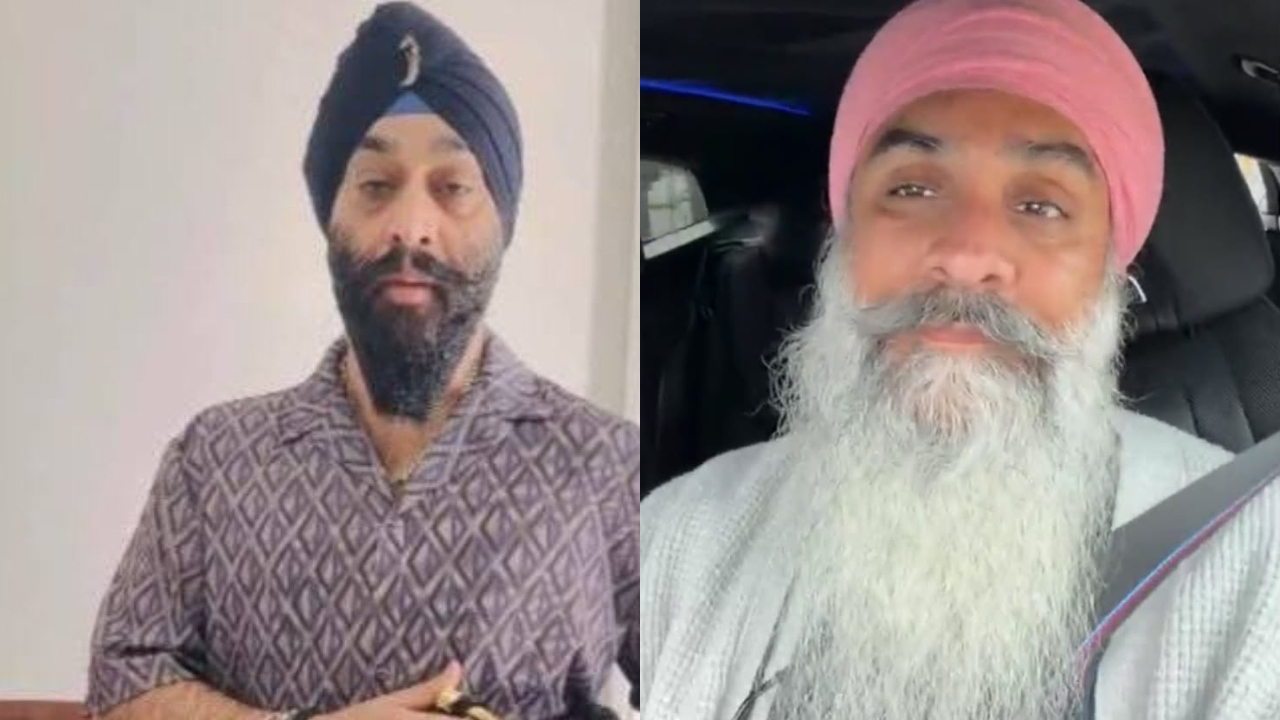
A single viral video can destroy decades of community trust. Right now, British Sikhs are finding out just how fast that happens when self-appointed social media influencers dominate the narrative.
The UK Gurdwara Alliance recently took the rare step of publicly distancing the entire Sikh community from two prominent online figures: Harman Kapoor and Bobby Singh. The official statement was blunt. It said neither individual has been authorized, appointed, or mandated to speak on behalf of Sikhs. It warned public bodies, media outlets, and politicians to stop treating them as representatives of mainstream Sikh views.
This isn't just a minor internet dispute. It's a flashing red light showing how dangerous the attention economy is for minority communities. When individuals chase clicks by taking extreme, polarizing stances, the entire collective pays the price.
The Anatomy of an Online Escalation
To understand why British Sikh institutions are drawing a line in the sand, you have to look at what triggered the backlash. Tensions were already incredibly high across the UK following the tragic murder of 18-year-old student Henry Nowak in Southampton. The killer, Vickrum Singh Digwa, used a ceremonial knife in the attack. Mainstream Sikh organizations immediately condemned the crime, expressed deep grief, and worked to support the local community. Eleven Sikh Members of Parliament even issued a joint statement to clarify that the horrific act had nothing to do with the Sikh faith.
Then came the social media commentary.
Bobby Singh, a visibly Amritdhari (baptized) Sikh influencer, sparked outrage during an Instagram Live session. In the broadcast, he allegedly made comments that critics interpreted as expressing support for Digwa based on a warped sense of Sikh brotherhood. The video spread across TikTok and X like wildfire. Far-right groups seized on the clip to paint the entire British Sikh community as sympathetic to a convicted murderer.
Inside the community, the reaction was immediate fury. On forums like Reddit and in local gurdwara committees, people called out the reckless conduct. They pointed out that a guy chasing clout with teenagers on TikTok was actively destroying the safety and reputation of ordinary families who suddenly felt too intimidated to attend their local temples.
The Problem With Lone Wolf Activism
Harman Kapoor represents a different angle of the same problem. Kapoor, a London restaurant owner who recently shut down his Hammersmith eatery, Rangrez, has been a fixture in media circles for years. He initially gained attention by speaking out against pro-Khalistan extremists who vandalized his property and threatened his family.
But Kapoor's commentary soon expanded far beyond personal defense. He began appearing on high-profile alternative media platforms, tackling deeply divisive cultural topics. He launched an aggressive public campaign against serving halal meat, calling it a violation of Sikh tenets. While his opposition to halal found some support, his broader rhetoric on the carrying of the kirpan and his sweeping generalizations about other immigrant groups deeply divided British Sikhs.
Critics within the community accuse him of playing into partisan political narratives for personal visibility. Many argue his media appearances serve to stoke inter-communal tension rather than resolve it.
When you look at Bobby Singh and Harman Kapoor together, they represent opposite ends of a messy spectrum. One leaned into a toxic tribalism that excused violence; the other built a platform on aggressive cultural friction. Neither approach reflects the quiet, community-focused reality of the nearly half a million Sikhs living in the UK.
How Collective Decision Making Actually Works
The biggest mistake journalists and politicians make is treating anyone with a turban and a high follower count as a community leader. It's lazy. It also fundamentally misunderstands how Sikh institutional authority operates.
Mainstream Sikh positions don't come from an individual's live stream. They emerge through a process called collective deliberation, rooted in traditional Panthic institutions. Decisions are made through consensus, humility, and consultation with local gurdwaras and elected representative bodies.
- The Panthic Structure: True representation is institutional, not individualistic.
- Gurdwaras as Anchors: Local committees deal with real-world issues, from food banks to interfaith dialogue.
- The Danger of the Algorithm: Social media platforms reward anger, speed, and division—the exact opposite of traditional Sikh values.
When a public body or a news station invites an online firebrand to comment on complex community relations, they aren't giving a voice to a minority. They're outsourcing representation to an algorithm. The loudest, most shocking voice wins the booking, while the quiet work of genuine community leaders gets ignored.
Real Steps for Media and Public Bodies
If you're a journalist, a local politician, or a community stakeholder, you need to change how you engage with minority groups. Stop looking at follower counts as a measure of credibility.
First, vet your sources through established representative bodies like the UK Gurdwara Alliance or regional gurdwara councils. Ask if the person you're interviewing actually holds a mandate from a recognized institution.
Second, look at the track record. Does this person have skin in the game locally, or do they only exist behind a screen or during a crisis?
For ordinary community members, the strategy is clear. Don't boost the outrage. Every time you share a vile clip to complain about it, you feed the engagement metrics that keep these influencers relevant. Report the content, support your local gurdwara's official statements, and make it clear to your non-Sikh neighbors that the extreme voices on your feed don't speak for the temple down the street.
The UK Gurdwara Alliance made the right call by drawing this boundary. It's a necessary reminder that in the real world, authority is earned through service, not clicks.