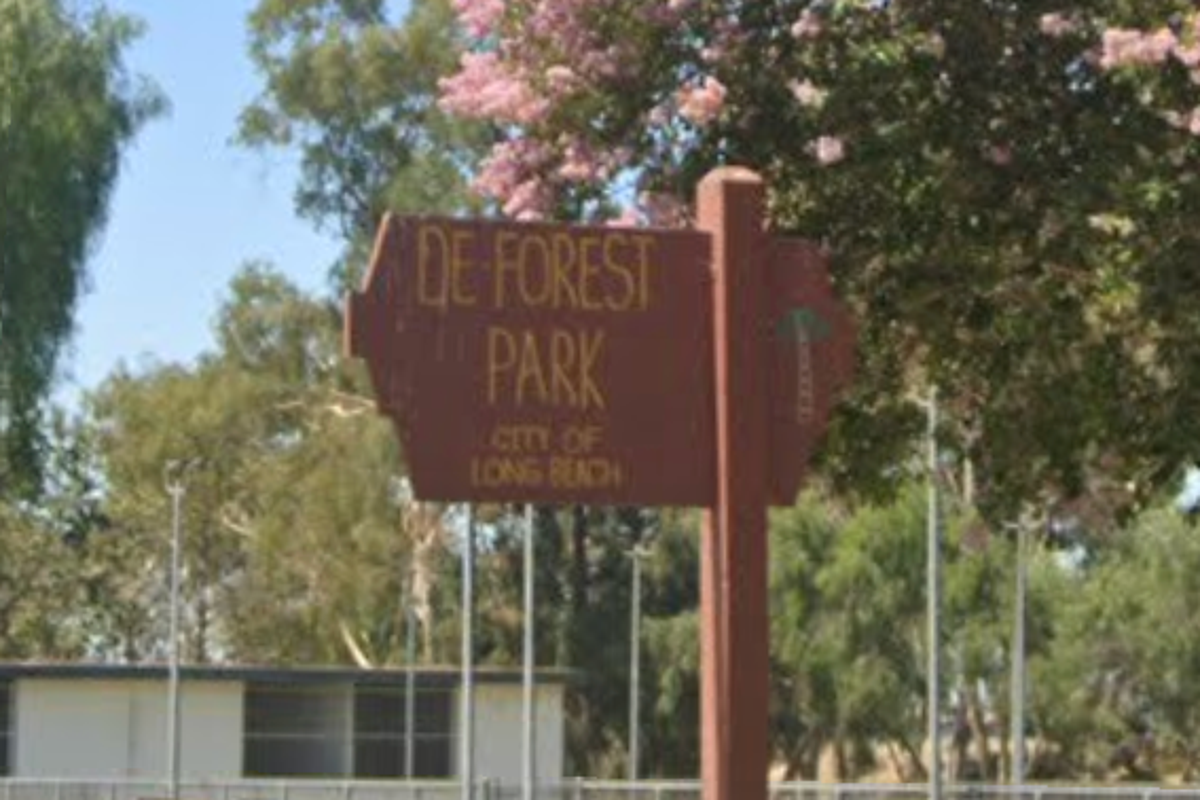
A holiday tradition turned into a grim forensic investigation this week when a group of children discovered a human skull during an Easter egg hunt at Encanto Park in Duarte, California. The Los Angeles County Sheriff’s Department Homicide Bureau took control of the scene shortly after the discovery, cordoning off the northern end of the park while forensic teams scoured the brush. While initial media reports focused on the shock felt by local families, the reality of this find points to a much deeper and more systemic issue within the San Gabriel Valley and the state’s massive backlog of unidentified remains.
The skull, described by investigators as belonging to a small person or child, was found in a wooded area near the Royal Oaks Trail. This location is not just a recreational hub; it is a point of intersection between suburban life and the rugged terrain of the Angeles National Forest. When remains appear in such a public space, they bring a sudden, jarring visibility to the thousands of cold cases that typically exist only on digital spreadsheets and in the quiet grief of forgotten families. You might also find this similar story interesting: Why Taiwan Should Fear Being On The Menu For The Trump-Xi Summit.
The Forensic Pipeline From Discovery to Identification
The moment those children stumbled upon the remains, a complex machinery of forensic anthropology and law enforcement began to grind. It is rarely as fast as television would suggest. The Los Angeles County Medical Examiner-Coroner handles thousands of cases a year, and the recovery of a single skull without a full skeleton presents immediate hurdles.
Forensic anthropologists must first determine the biological profile. This involves examining the sutures of the skull to estimate age, looking at the dental development, and analyzing the cranial morphology to determine ancestry and sex. Because the skull was described as "small," the immediate fear is that it belongs to a juvenile. However, professionals in the field know that certain skeletal conditions or simply a person of small stature can lead to early misidentifications by laypeople at the scene. As reported in latest reports by TIME, the effects are widespread.
Once a profile is established, the DNA process begins. This is where the backlog becomes a bottleneck. While the California Department of Justice maintains the Missing and Unidentified Persons System (MUPS), matching remains to a specific name requires a direct link in the Combined DNA Index System (CODIS). If the individual was never reported missing, or if their family members never provided reference DNA samples, the skull remains a number on a shelf.
The San Gabriel Valley Geographic Trap
Encanto Park sits at the base of the San Gabriel Mountains. This geography is significant. The region is a high-traffic corridor for both residents and people passing through the vast wilderness to the north. Over the decades, these foothills have occasionally yielded the remains of hikers who lost their way, victims of foul play seeking a remote disposal site, or members of the transient population who succumbed to the elements or violence.
Investigators are currently cross-referencing the Duarte discovery with active missing persons files from neighboring jurisdictions like Azusa, Monrovia, and Irwindale. They are looking for patterns. They are looking for that one report from three, five, or ten years ago that matches the estimated timeline of the remains' decomposition. The condition of the bone—whether it shows signs of "bleaching" from sun exposure or "pitting" from soil acidity—will tell the Sheriff's Department how long it has been sitting just yards away from where children play.
Why Cold Cases Stay Cold in California
California currently holds a staggering number of unidentified remains, often referred to as "silent mass disasters." The Duarte find highlights the fragility of these cases. Often, these remains are only found by sheer luck—a hiker veering off-trail, a construction crew breaking ground, or, in this instance, a child reaching for a plastic egg.
The primary reason these cases remain unsolved for decades is the lack of resources dedicated to non-recent deaths. Homicide units are perpetually buried under active, "hot" cases where witnesses are still alive and evidence is fresh. A skull found in a park is a "John or Jane Doe" case that requires a different kind of persistence. It requires genealogical research, which has recently seen a surge in success through Investigative Genetic Genealogy (IGG).
By using the same technology that caught the Golden State Killer, investigators can now upload DNA profiles from remains to public databases like GEDmatch. They aren't looking for the victim; they are looking for the victim’s third cousin. Once a family tree is built, they can work their way back down to a person who disappeared in the 1990s or early 2000s but was never officially logged with DNA evidence.
The Human Element of the Duarte Investigation
Local residents expressed a sense of shattered safety, but the veteran perspective suggests a different takeaway. The park remains safe; the danger that led to this skull being there likely passed years ago. The real tragedy is not that the remains were found, but that they were there long enough for the brush to grow over them.
Every time a skull is found in a California park, it represents a failure of the social safety net. It represents someone who slipped through the cracks of the foster care system, the mental health system, or a family structure that didn't know how to look for them. When the news trucks leave and the yellow tape is taken down, the forensic scientists in the lab are the only ones left to give this person back their name.
The Sheriff's Department has not yet released information regarding signs of trauma on the skull. Whether this is a case of accidental death, natural causes, or a violent crime remains the central question. If there are blunt force marks or tool indentations on the bone, the investigation shifts from a recovery to a homicide.
The Immediate Mandate for Law Enforcement
The priority now is a "grid search." When a skull is found, it is rarely alone unless it was moved by water or animals. Investigators must meticulously sift through the surrounding soil for smaller bones, clothing fibers, or personal effects like jewelry or dental work that could provide an immediate lead.
The public’s role in these investigations is often undervalued. Someone in Duarte or the wider Los Angeles area knows a person who stopped calling home five years ago. They might have thought the person just wanted to start a new life. They might have been too intimidated to talk to the police. This discovery is a prompt for those individuals to come forward.
Forensic science is a patient discipline, but it is fueled by the data provided by the community. As the Los Angeles County Medical Examiner works through the biological profile of the Duarte remains, the pressure is on the Homicide Bureau to bridge the gap between a piece of bone and a missing person’s report.
The investigation into the remains at Encanto Park will likely take months. DNA extraction from weathered bone is a delicate, time-consuming process. Until those results return, a family somewhere is living in a state of suspended grief, unaware that their answer might have just been found by a group of children in the grass.
The focus must remain on the identity of the deceased. We should be less concerned with the "sadness" of the discovery and more concerned with the timeline that allowed a human being to remain unrecovered in a public park for what appears to be a significant amount of time.
Check the missing persons databases. Push for the funding of forensic genealogy in local sheriff’s departments. Ensure that the next time remains are found, the technology and the personnel are already in place to turn a "John Doe" back into a son, a daughter, or a neighbor.