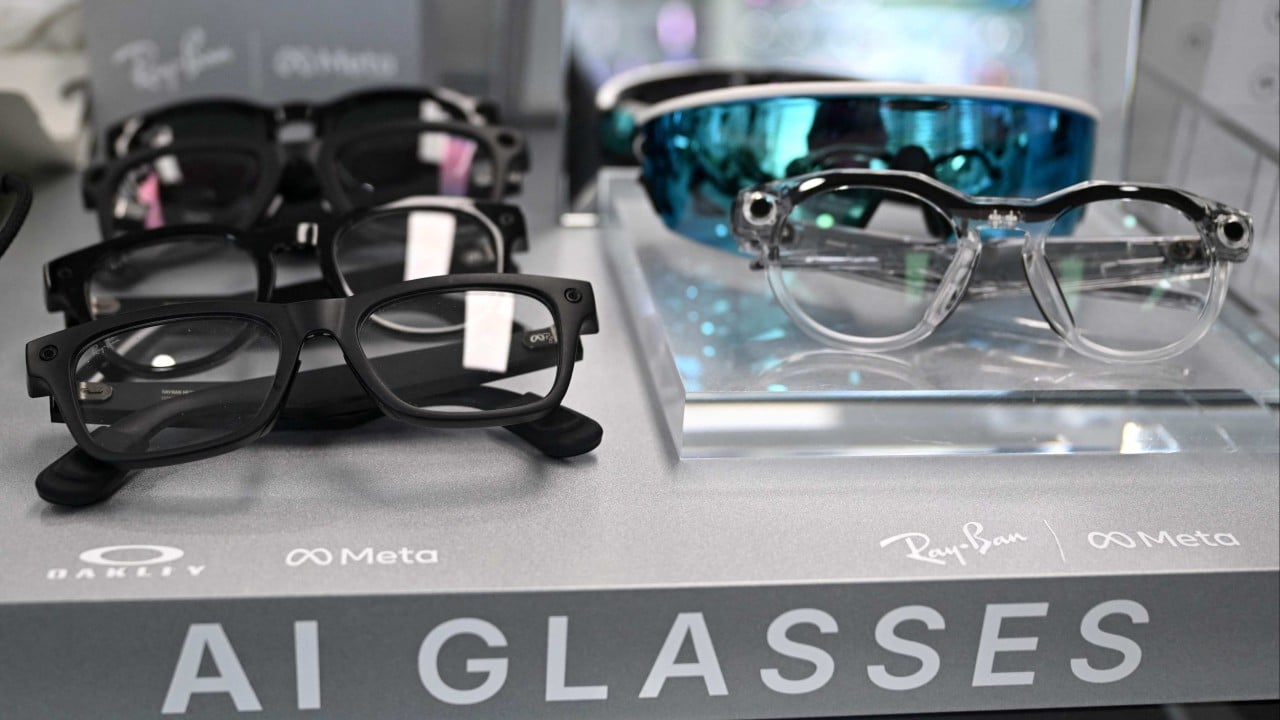
Wearing a pair of smart frames into a South Korean exam hall could soon land a student in front of a criminal prosecutor. Starting in 2027, South Korean students caught cheating with AI glasses face formal criminal prosecution, marking one of the harshest legal crackdowns on wearable exam fraud anywhere in the world.
This isn't a minor disciplinary slap on the wrist. For years, getting caught with unauthorized tech during high-stakes tests meant an invalidated score, a temporary ban from retaking the exam, or suspension from school. Now, South Korea's education and justice authorities are treating AI-assisted optical cheating as a criminal offense, putting teenagers and young adults at risk of permanent criminal records.
If you've never spent time around South Korea's hyper-competitive testing culture, the severity of this move might sound extreme. It isn't. When a single exam determines a student's university placement, career trajectory, and social standing, the temptation to cheat using near-invisible hardware becomes massive. Regulators realized academic penalties weren't scaring anyone anymore.
Why Standard Exam Rules Failed Against Smart Eyewear
Traditional exam proctoring was built for obvious contraband. Invigilators know how to spot a hidden smartphone, a smart watch, or an earpiece dangling from a collar. They use handheld metal detectors at the door and require students to dump their electronics into collection boxes before the clock starts.
AI glasses broke that entire security model overnight.
Modern smart frames look nearly identical to standard prescription eyeglasses or everyday fashion frames. Weigh them in your hand, and the difference is barely noticeable. Put them on a student's face in a crowded testing room of thirty people, and a proctor walking down the aisle won't blink twice.
The hardware inside those frames does the heavy lifting:
- Micro-cameras embedded in the hinges capture sharp images of multiple-choice questions and math equations in milliseconds.
- Bone-conduction audio or subtle temple speakers whisper answers directly into the wearer's ear canal without leaking sound to the desk next door.
- Micro-LED or waveguide displays project text onto the inside of the lens, visible only to the person wearing the frames.
- Tethered AI models process the captured text via a concealed cellular relay and return an accurate answer in under three seconds.
Proctors couldn't confiscate what they couldn't identify. Even worse, students who genuinely need prescription lenses couldn't simply be told to take their glasses off at the door. Banning eyewear outright would violate basic accessibility rules and make testing impossible for millions of legitimate test-takers.
Faced with a detection bottleneck, authorities shifted their strategy from physical prevention to legal deterrence. If you can't catch every pair of smart frames before the test begins, you make the consequences of getting caught so devastating that nobody dares wear them.
What the 2027 Prosecution Policy Actually Means for Students
Under South Korea's existing legal framework, interfering with the administration of major national exams—particularly the College Scholastic Ability Test, known locally as the Suneung—can already trigger charges under obstruction of business laws. Historically, however, prosecutors reserved criminal indictments for organized cheating rings, test-paper leaks, or adults running paid impersonation schemes. Individual students caught with a crib sheet or a hidden phone usually faced administrative punishment from the Ministry of Education rather than a courtroom.
The 2027 policy change removes that leniency for AI-enabled wearables.
From Academic Penalties to Criminal Records
When the new enforcement rules take full effect in 2027, detection of AI glasses during national or university-level entrance examinations triggers an immediate referral to law enforcement. Instead of ending at the school principal's desk or the testing board's disciplinary committee, the case moves straight to police investigators and public prosecutors.
A criminal conviction for exam fraud carries consequences that follow a young person long after college admissions end:
- Immediate score nullification across all sections of the exam, wiping out years of preparation.
- Multi-year testing bans that block the student from sitting for state-administered exams again.
- Criminal fines or suspended prison sentences depending on whether the student acted alone or collaborated with an outside operator feeding answers into the device.
- Background check disclosures that can disqualify candidates from civil service positions, public sector jobs, and major domestic corporations.
Honestly, that last point is what hits hardest in South Korea. Landing a role at a major conglomerate or passing the civil service exam requires a clean record. Turning exam cheating into a prosecutable offense attacks the exact future students are trying to secure by cheating in the first place.
Why Regulators Targeted 2027 Specifically
Policy rollouts in South Korea's education sector rarely happen overnight because testing rules require advance notice to schools, parents, and exam boards. Setting 2027 as the enforcement threshold gives the Ministry of Education and the Korea Institute for Curriculum and Evaluation time to update official testing regulations, train proctors on hardware inspection protocols, and run public awareness campaigns across high schools and cram schools, known as hagwons.
It also aligns with the hardware adoption curve. Smart glasses in 2024 and 2025 were still bulky enough to raise eyebrows. By 2026 and 2027, lighter prescription-ready AI frames with multimodal vision capabilities have become common consumer electronics, forcing regulators to lock down rules before mass adoption overwhelms exam halls.
How South Korean Exam Halls Are Changing Before 2027
Legal threats only work if students believe they will actually get caught. Alongside the prosecution mandate, testing centers are overhauling how they screen test-takers and monitor classrooms.
Proctors are receiving specialized training to recognize the subtle physical markers of smart eyewear—slightly thicker temple arms, charging pins hidden near the hinges, or faint optical reflections on the inner lenses. During routine ID checks, invigilators will have explicit authority to inspect eyeglasses closely, rather than glancing at a student's face and moving on.
Signal monitoring is also tightening. Testing centers already deploy radio-frequency detectors to catch unauthorized cellular transmissions. Newer detection units are tuned to pick up short-range Bluetooth Low Energy bursts and subtle wireless handshakes between smart frames and a hidden phone tucked inside a jacket pocket or shoe.
The irony isn't lost on educators. Schools spend millions preparing students to use artificial intelligence responsibly in the workplace, yet they have to build high-tech surveillance perimeters around exam rooms just to verify what a teenager actually knows without a machine whispering in their ear.
What Other Countries Will Learn From South Korea's Crackdown
South Korea is rarely the last country to confront an education crisis; it's usually the first. Because the Suneung compresses an entire nation's academic pressure into a single eight-hour day every November, vulnerabilities in exam security show up in Seoul long before they hit London, New York, or Tokyo.
Look at how universities in the United States and Europe have handled AI cheating so far. Most rely on honor codes, browser lockdowns for online quizzes, or unreliable AI text detectors that flag innocent students' essays. Almost none have established clear criminal liability for wearable hardware inside physical lecture halls.
That won't last. As smart glasses replace smartphones as the default personal AI interface, every standardized testing body—from the College Board to medical licensing boards—will face the exact same dilemma. You can't ban prescription glasses, and visual inspection alone won't stop a camera smaller than a pinhead.
How Students, Parents, and Educators Should Prepare Now
Whether you're a student sitting for competitive exams, a parent guiding a teenager through test prep, or an educator managing exam security, waiting until 2027 to adjust is a mistake.
- Audit all eyewear before test day. Students who wear prescription glasses should stick to basic, non-electronic frames from verified opticians for exam days. Even smart frames with their AI features switched off or batteries drained will trigger confiscation and investigation if spotted by a proctor.
- Stop treating wearable tech as a harmless shortcut. Parents and tutors need to make it clear to students that using AI glasses in an exam isn't comparable to hiding notes on a wrist. Under the 2027 rules, it carries the legal weight of fraud.
- Update institutional exam policies early. School administrators and testing coordinators outside South Korea should explicitly define smart eyewear and bone-conduction devices in their academic integrity codes right now, specifying inspection rights before an incident forces an emergency rewrite.
South Korea's message to the 2027 testing cohort is blunt: if you wear AI into the exam room, you won't just lose your test score—you'll lose your clean record too.