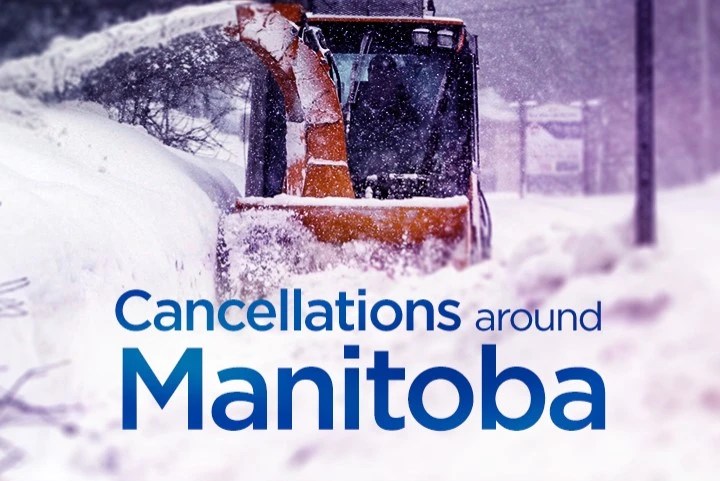
The deep freeze across Southern Manitoba has moved beyond a simple weather event and morphed into a full-scale regional paralysis. On Wednesday morning, school divisions from the Red River Valley to the Saskatchewan border hit the "stop" button, citing a combination of life-threatening wind chills and impassable rural roads. While a blanket of white might look like a standard prairie winter, the logistical machinery required to keep 10,000-pound buses on the road has failed against a wall of Arctic air that makes basic mechanical functions a gamble.
For parents waking up to a flurry of notifications, the immediate concern is childcare. For the analysts watching the grid, however, the story is about the fragility of rural infrastructure. When temperatures dip toward the -40°C mark with wind chill, the margin for error disappears. Hydraulic lines stiffen, diesel fuel begins to cloud, and the physical safety of a child waiting three minutes too long at a rural crossroads becomes a liability that no school board is willing to underwrite.
The Calculus of a Cold Day Cancellation
School superintendents do not make the call to shutter doors based on a quick glance at a smartphone weather app. It is a grueling process that often begins at 4:00 AM. They weigh visibility against road clearing schedules and, most importantly, the "ten-minute rule." If a bus breaks down in a remote area of the Interlake or the Pembina Valley, can rescue services reach those students before frostbite sets in? On Wednesday, the answer was a resounding no.
The cancellations seen today—affecting the likes of Red River Valley, Seine River, and Garden Valley School Divisions—reflect a shift in risk management. Historically, the "tough it out" mentality governed the prairies. But as school catchment areas have consolidated, bus routes have grown longer. A single route can now cover hundreds of kilometers of open, wind-swept gravel roads. When the wind picks up, those roads disappear under drifts in minutes, turning a routine commute into a navigation exercise through a white void.
Why Some Stay Open While Others Fold
A common point of frustration for residents is the perceived inconsistency. Why does Winnipeg Transit keep rolling while the buses in Steinbach stay parked? The difference lies in the urban-rural divide. City schools benefit from windbreaks, cleared paths, and a dense network of emergency services. In the rural south, a bus is often the only vehicle on a secondary highway for miles.
This creates a tiered reality for Manitoba families. Urban students are expected to bundle up and trudge through the snow, while their rural counterparts shift to remote learning or a forced day off. This is not about a lack of grit. It is about the physics of heat loss and the mechanical limits of heavy machinery in a polar vortex.
The Economic Ripple Effect of a Snow Day
We often view these cancellations through the lens of education, but the economic impact is a heavy blow to a regional economy already squeezed by inflation. When schools close, the workforce shrinks. Thousands of parents across Southern Manitoba are forced to take a day of unpaid leave or burn through vacation time to stay home with younger children.
Local businesses feel the squeeze immediately. Small-town shops see a sharp drop in foot traffic, and supply chains stutter as long-haul truckers face the same visibility issues that grounded the school buses. The cost of a single day of total regional paralysis runs into the millions when factoring in lost productivity and the massive surge in energy demand as residential heating systems work overtime to fight the external chill.
Infrastructure Under Pressure
Manitoba’s power grid and road maintenance crews are the invisible frontline in this battle. Hydro workers are currently dealing with "galloping lines"—a phenomenon where high winds cause ice-coated power lines to bounce violently, leading to outages. Meanwhile, snowplow operators are fighting a losing battle against the wind. You can clear a highway at 8:00 AM, but by 8:30 AM, the wind has reclaimed the asphalt.
The province spends a fortune on winter maintenance, but even the most robust fleet has a breaking point. When the mercury drops this low, the salt used on highways loses its effectiveness. It becomes a game of sand and friction, which does little to help when the wind is gusting at 60 km/h.
Beyond the Classroom
It isn't just the schools. Wednesday saw a cascade of cancellations hitting community centers, senior programs, and non-essential medical appointments. For the elderly population in rural towns, these cancellations are more than an inconvenience; they are a source of profound isolation. When the "Wheels to Meals" or local shuttle services stop, the lifeline to the outside world is severed.
We are seeing a trend where organizations are becoming more proactive—some would say "risk-averse"—in their scheduling. In decades past, a storm had to be historic to trigger a total shutdown. Today, the threshold is lower. Part of this is driven by the threat of litigation, but a larger part is a genuine realization that the extreme weather cycles hitting the prairies are becoming more volatile.
The Myth of the Routine Winter
There is a dangerous tendency to shrug off these events as "just another Manitoba winter." This dismissive attitude ignores the data. We are seeing more frequent swings between extreme cold and heavy moisture. These "grey swan" events—predictable but high-impact—are taxing our systems in ways they weren't designed to handle.
Our buildings are insulated for the cold, but our social systems are still catching up. The reliance on physical presence in a digital age seems like a missed opportunity. While some divisions have successfully pivoted to "Snow Day Learning" online, others are hampered by poor high-speed internet access in rural pockets. The digital divide in Manitoba is never more apparent than when the physical roads are closed.
The Mechanical Breaking Point
To understand why your car might not have started this morning, or why the local delivery truck is delayed, you have to look at the molecular level. At these temperatures, oil becomes the consistency of molasses. Gaskets become brittle. Batteries lose up to 60 percent of their cranking power.
For the heavy equipment used by municipalities, the risks are even higher. A blown seal on a snowplow doesn't just mean a trip to the shop; it means one less lifeline for a stranded community. The technicians working in unheated bays to keep these machines running are the unsung experts of the season. They understand that in Manitoba, "winter-ready" is a moving target.
A Systemic Lack of Resilience
What this Wednesday of cancellations reveals is a lack of deep-seated resilience in our regional planning. We are built for "cold," but we are not built for "prolonged paralysis." Our "just-in-time" delivery systems and our rigid work-from-office expectations crumble the moment the weather refuses to cooperate.
The move forward requires more than better snowplows. It requires a fundamental shift in how we structure rural life. This includes hardening the grid against ice storms, ensuring every rural student has the bandwidth to learn from home when the buses can't run, and creating community support networks that don't rely on clear highways to function.
The wind in Southern Manitoba isn't just moving snow; it's exposing the cracks in how we live. We can keep pretending this is business as usual, or we can start building for a reality where the weather holds the ultimate veto over our daily lives.
Get the shovel. Check on the neighbor. Wait for the wind to die down. The prairie doesn't care about your schedule.