Light hums from the equipment, flat and sterile, casting a pale glow across the floor of a basement control room. Somewhere miles away, a lens focuses. A red indicator blinks. The machinery of execution is oiled, tested, and primed not just to complete a sentence, but to broadcast it.
We have lived through an era where every human transaction, every private grief, and every public outrage demands a camera. We record the crash, the trial, the verdict, and the aftermath. We scroll through horror before our morning coffee. But when the state prepares to extinguish a life—when the needle descends or the chamber seals—a strange hesitation grips the collective conscience. It is a hesitation born not of mercy, but of a sudden, jarring recognition of what happens when the theater of punishment meets the cold glare of a live stream.
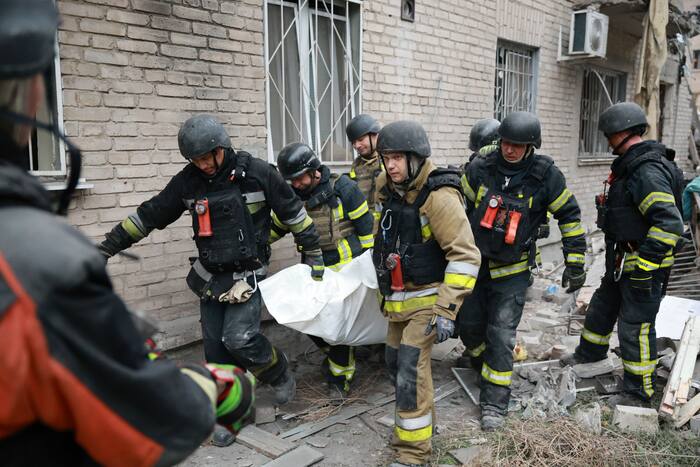
Consider the weight of what happened at Fort Hood. In 2009, a quiet Texas military post shattered under the sound of gunfire and the chaos of sudden carnage. Thirteen lives were stolen. Dozens more were ruptured, their trajectories bent forever toward hospitals, courtrooms, and sleepless nights. The wounds left behind did not heal cleanly; they calcified into scars that still ache across military families and legal corridors alike.
Years passed through appeals, hearings, and the grinding gears of military justice. The shooter was condemned. And then, as the final chapter loomed, a modern question emerged from the bureaucracy: Should the world watch it happen? Should the final breath of a mass killer be transmitted across fiber-optic cables into living rooms, smartphones, and breakrooms across the globe?
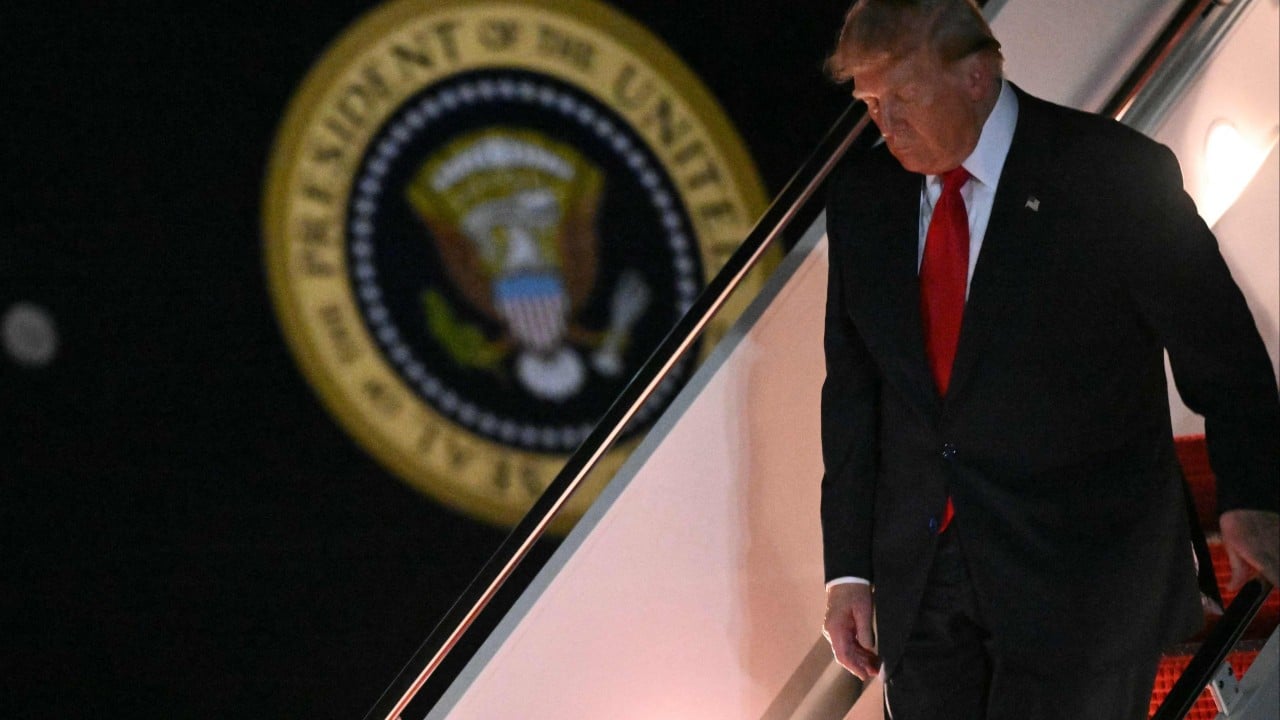
Donald Trump cast doubt on that prospect, questioning the wisdom of broadcasting the execution.
On the surface, it sounds like a simple debate over transparency. In an age demanding radical openness, withholding a state execution feels like an anomaly, a throwback to the days behind brick walls and heavy curtains. But beneath that surface lies a much darker psychological architecture. What does a society gain from watching a man die by state mandate? And what does it lose in the process?
To understand the friction here, you have to step away from the podiums and look at the nature of spectacle.
Imagine sitting in a room with the surviving families of Fort Hood. Not as a distant observer clicking a headline, but as someone who smelled the cordite, held the hand of a wounded soldier, or stared at an empty chair at a Thanksgiving table fifteen years later. For them, justice is not a content stream. It is a slow, agonizing reconstruction of normal.
When an execution is packaged for broadcast, it transforms from an act of legal finality into an event. It invites ratings, commentary, hot takes, memes, and polarized outrage. It turns the solemnity of capital punishment into pay-per-view morality. The killer, whose name became infamous precisely because of the terror he sowed, receives one final, global stage. His face, his last words, his physical collapse become the focal point of the evening news cycle.
Is that accountability? Or is it an amplification of the very evil the state seeks to end?
The debate forces a confrontation with our own voyeurism. We live in a culture saturated with true crime podcasts, documentary series dissecting serial killers, and instantaneous access to human suffering. We consume violence as entertainment disguised as awareness. When the Pentagon toyed with the logistics of a live-streamed execution, it was feeding an insatiable appetite for the macabre.
Yet, the counter-argument carries its own fierce logic. Secrecy breeds mistrust. For generations, the machinery of capital punishment operated behind closed doors, hidden from public scrutiny, leading critics to question the humanity, fairness, and execution of the ultimate sentence. If the state holds the power of life and death over a citizen, does the public not have an inherent right—perhaps even a moral obligation—to witness the reality of that power? If we endorse the punishment, do we not have the stomach to look at it?
This is where the argument fractures. Transparency is vital for a healthy republic. We need to see how our institutions function, how laws are applied, and where the system breaks down. But execution is not a zoning board meeting or a congressional hearing. It is an irreversible act of violence performed by the government in our name.
When a execution is broadcast, it ceases to be an administrative duty and becomes a mass ritual. Millions tune in not out of civic duty, but from morbid curiosity. Psychologists have long documented the contagion effect surrounding mass violence and high-profile suicides; giving a mass murderer a global broadcast platform at the moment of his death risks honoring the worst impulses of notoriety. It tells every unstable mind looking for a permanent mark on history that even in death, they will be the center of the universe.
The skepticism voiced regarding the live stream touches on this raw nerve. It suggests an intuition that some doors should remain closed, not to hide corruption, but to preserve a shred of dignity for the victims and to deny the perpetrator the glory of a final audience.
Think about the families again. For them, closure is not found in a high-definition broadcast of a pulse flatlining. Closure is quiet. It is the ability to walk through a grocery store without seeing the face of a murderer flashing from every screen. It is the space to heal without the wound being ripped open anew by a global media circus.
The legal frameworks governing military executions are distinct, steeped in a tradition that values order, discipline, and the solemnity of the armed forces. A military post is not a television studio. The administration of justice within its gates is meant to reflect the gravity of offenses against the military community, not the sensationalism of modern digital culture.
When Trump questioned the plan, he tapped into an unease that transcends political affiliation. It is the realization that not everything is improved by being digitized. Some acts are too heavy, too final, and too fraught with moral hazard to be reduced to pixels on a screen.
We are left standing at the intersection of a difficult truth. A society that seeks justice must constantly interrogate its own methods. We must ask whether our pursuit of transparency has crossed the line into spectacle. We must question whether watching a man die makes us safer, wiser, or more just, or if it simply lowers us into the arena with him.
The screens in the control room remain dark for now. The lens is covered. And in that silence, the deeper question remains suspended, echoing long after the headlines fade.