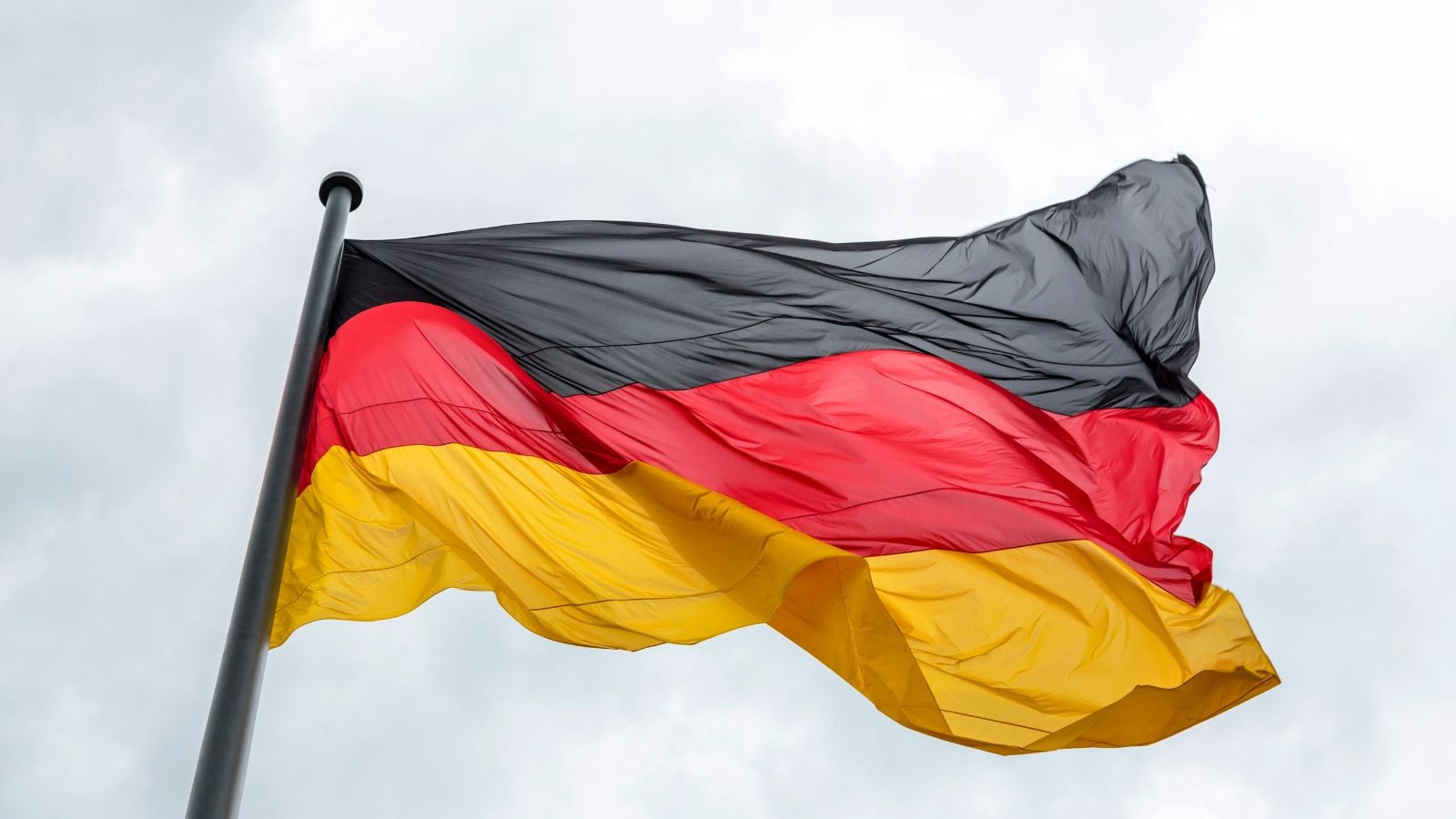
Diplomatic relations between Moscow and Berlin just hit another brick wall. Russia's Foreign Ministry officially ordered the closure of the German consulate in St. Petersburg, giving staff until September 18 to wrap things up and get out.
This isn't happening in a vacuum. It's a direct, tit-for-tat escalation triggered after Germany shut down the Russian consulate in Bonn alongside the Russian House cultural center in Berlin. Behind these closed doors and flying expulsion orders lies a much darker dispute involving a botched drone incident at a major European transport hub.
The Leipzig Airport Drone Incident That Started It All
You have to look back at August 4 to understand why things escalated so quickly. That day, German authorities found an explosives-laden drone near a Ukrainian plane at Leipzig/Halle Airport.
That airport isn't just some local airstrip. It functions as a critical international freight hub used extensively to funnel military and logistical support into Ukraine. The drone was defused before it could detonate, but Berlin didn't hesitate to point the finger straight at the Kremlin. Western officials claim this fits a broader pattern of clandestine sabotage campaigns designed to destabilize European infrastructure and choke off backing for Kyiv.
Moscow denies everything, naturally. Russian officials dismissed the allegations as a total provocation engineered by Germany to justify hostile actions. But regardless of who orchestrated what, Berlin acted first by stripping the Russian consulate in Bonn of its operational status.
Cultural Casualties and Shuttering the Goethe-Institutes
Consulates aren't the only assets taking a hit. Russia's retaliation extends deep into the cultural sphere, targeting institutions that survived decades of previous political cold snaps.
The Kremlin reaffirmed its decision to shut down Goethe-Institut cultural centers across Russia, including major branches in Moscow and St. Petersburg. Staff members at these centers were given strict deadlines to clear out, mirroring the closure of the Russian House in Berlin.
When Russian Foreign Minister Sergey Lavrov previewed these countermeasures at the Eastern Economic Forum in Vladivostok, he made the reasoning crystal clear. He stated that failing to respond in kind would mean Russia wouldn't "respect ourselves" after being kicked out of the German capital.
What This Means for Everyday Diplomacy
When consulates close, real people pay the price. Visa processing stops, emergency travel documents become nearly impossible to secure locally, and communication channels shrink to almost zero.
We are watching the total dismantling of the diplomatic architecture built over the latter half of the twentieth century. Every tit-for-tat expulsion brings Europe and Russia closer to a complete diplomatic blackout. With cultural bridges burned and consular safety nets slashed, finding a path back to dialogue looks harder than ever.
If you or anyone you know relies on consular services between Germany and Russia, expect major administrative gridlock immediately. Check with your respective embassy in alternative third-party nations to handle urgent paperwork, because local bilateral channels are shutting down fast.