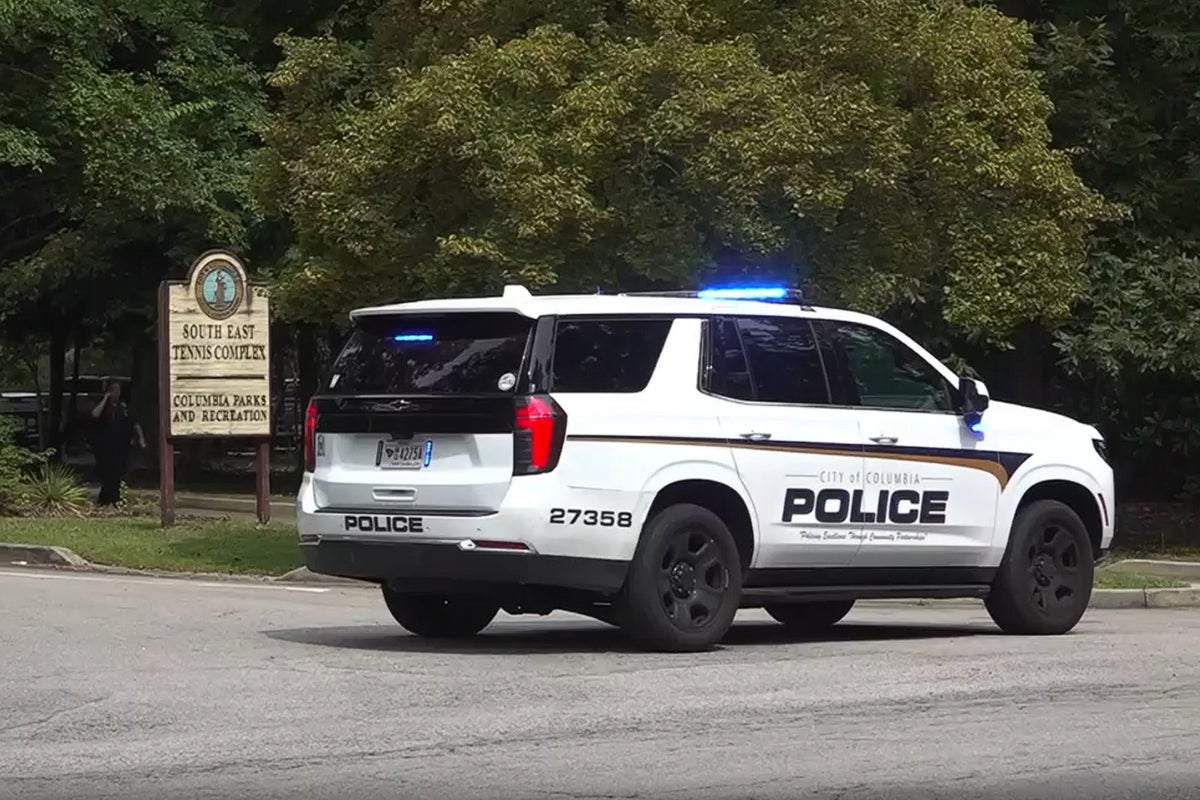
The headline reads like a tragic inevitability. A police officer killed in a gunfight at a South Carolina park. The media apparatus spins up its familiar, well-oiled machinery. Condolences roll in, politicians demand more funding, and the public absorbs another comforting falsehood about the nature of modern violence. Everyone points at the hardware. Nobody looks at the software.
We have institutionalized a lazy consensus around how law enforcement engagements happen, how tactical environments are assessed, and what actually keeps communities safe. That consensus is getting people killed. For a deeper dive into similar topics, we recommend: this related article.
The Flawed Premise of the Sudden Ambush
The narrative pushed by standard reporting frames these incidents as sudden, unpredictable firefights where split-second marksmanship is the only variable that matters. This is a dangerous distortion of operational reality.
I have spent years analyzing operational debriefs, training municipal departments, and studying the physics of close-quarters engagements. When a routine park patrol or minor disturbance transforms into a fatal gunfight, it is rarely because a criminal mastermind executed a flawless military ambush. It is almost always because the initial threat assessment vector was entirely misaligned with reality. For additional context on this topic, extensive reporting can be read on The New York Times.
Departments train officers for the worst-case combat scenario while routinely failing to teach them how to de-escalate the behavioral precursors that lead up to it. We treat every park check like a potential Alamo. When you view a public park through the lens of a combat zone, you prime yourself to miss the actual human dynamics unfolding right in front of you.
The Cost of Tactical Dogma
Let us look at the data most commentators ignore. The vast majority of fatal officer-involved shootings do not happen during high-speed tactical raids or coordinated criminal conspiracies. They happen during routine, low-stakes public interactions that spiral out of control because of poor communication architecture and rigid adherence to outdated escalation scripts.
When an officer approaches a suspect in a public space, the standard doctrine dictates maintaining physical command, demanding immediate compliance, and controlling the immediate perimeter. In a sterile training facility, this works. In a chaotic public park with bystanders, hidden terrain, and unpredictable variables, it often triggers a fight-or-flight panic response from individuals who have zero intention of engaging in a shootout until the officer's posture makes them feel they have no exit.
I have seen departments blow millions of dollars on high-end tactical gear, ballistic shields, and lethal-force simulators, while cutting corners on situational psychology and verbal judo training. They buy equipment to win a gunfight they should have never entered.
Dismantling The People Also Ask Fallacy
If you search for details on these tragic events, the search engines feed you a predictable loop of questions.
- Could better armor have saved the officer?
- Were park security measures inadequate?
- How common are violent encounters in public parks?
These questions are traps. They accept the premise that the tragedy was a mechanical failure of equipment or perimeter security.
The real question nobody is asking: Why are we deploying armed response units to handle social disorder in municipal parks in the first place?
By framing every park disturbance as a potential tactical engagement, we invite lethal outcomes. A South Carolina municipal park is a civic space, not a combat outpost. When a local government relies on armed patrol officers to handle unhoused populations, mental health crises, or petty ordinance violations, they are applying a sledgehammer to a delicate puzzle.
The Uncomfortable Truth About Risk Mitigation
Adopting this perspective comes with a heavy dose of professional friction. Critics will argue that suggesting a shift away from high-command posture puts officers in greater danger. They will claim that second-guessing tactical approaches disrespects the fallen.
That is intellectual cowardice.
True respect for those who wear the badge means demanding rigorous, honest post-mortems that do not sugarcoat systemic failures with hollow platitudes. If an officer enters a dynamic environment with a script that demands immediate dominance, and that script results in mutual destruction, the doctrine is flawed.
Imagine a scenario where municipal parks operate with civilian park rangers trained specifically in de-escalation, conflict resolution, and behavioral observation, backed by discreet, specialized backup rather than visible, high-tension patrols. The friction drops. The baseline anxiety of the citizen drops. And the statistical likelihood of a fatal escalation plummets.
The Unforgiving Reality of Modern Policing
We can keep funding more gear, repeating the tired talking points about split-second decisions, and pretending that every park bench is a potential battleground. Or we can admit that our entire framework for public safety operations is broken at the root.
The next time a tragic headline breaks out of South Carolina or anywhere else, do not look at the caliber of the weapon or the speed of the draw. Look at the policy that put an officer into a preventable confrontation without the tools to manage human behavior instead of human targets.
Stop training officers to survive gunfights they should never be fighting.