The outrage machine loves a clean, simple narrative. A cluster of people contract Cyclospora cayetanensis after eating pre-packaged salad, media outlets rush to interview victims enduring twenty bathroom trips a day, and public health commentary fixates on washing lettuce. It is a predictable cycle of sensationalism followed by useless consumer advice.
Focusing on individual produce items or washing techniques completely misses the structural reality of modern food supply chains.
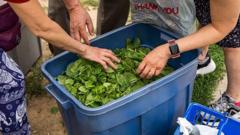
I spent years inspecting industrial processing facilities and analyzing outbreak tracing data. When a parasite like Cyclospora hits the food supply, telling consumers to rinse their spinach is not just unhelpful—it is scientifically illiterate. Cyclospora oocysts are famously resistant to standard chemical disinfectants, including chlorine washes. They bind stubbornly to vegetable surfaces. Washing your leafy greens under running tap water at home does almost nothing to eliminate the parasite once contamination occurs at scale.
The industry knows this. The regulators know this. Yet the media continues to run human-interest horror stories that shift the implicit burden onto the end user.
The Misconception Of Local Safety
When an outbreak makes headlines, the immediate consumer reflex is to retreat toward local supply chains or organic labels. This response rests on a flawed premise.
Cyclospora is a microscopic, single-celled parasite transmitted via the fecal-oral route. Unlike simple bacterial contaminants like E. coli or Salmonella, Cyclospora oocysts require days or even weeks outside the host in specific environmental conditions to mature and become infectious. This means direct contamination from an infected field worker rarely causes immediate infection on the spot. Instead, the parasite matures in warm, moist environments—often within agricultural runoff, unmanaged irrigation water systems, or holding tanks.
Smaller farms and local distributors frequently operate with fewer automated monitoring systems and less frequent water quality testing than major industrial growers. While massive agricultural conglomerates have centralized failure points, they also run strict, continuous testing regimes required by federal compliance mandates. Switching to an unvetted local vendor during a regional spike often increases exposure risk rather than reducing it.
The issue is not whether a farm is global or local. The issue is water infrastructure and agricultural sanitation management.
Why Current Traceability Protocols Fail
When federal agencies investigate a parasite outbreak, they rely on supply chain tracing. The average consumer assumes this works like a GPS tracking system for produce.
It does not.
A single bag of mixed salad greens can contain produce harvested from dozens of different fields, packed across multiple facilities, and distributed through complex logistics networks across three countries. By the time a patient presents symptoms, visits a physician, receives a laboratory confirmation for Cyclospora, and reports their dietary history to state health officials, three to six weeks have elapsed.
By that time, the contaminated lot is long gone. The fresh produce has either been consumed or thrown away. What investigators end up doing is back-tracing paper invoices across hundreds of middle-tier distributors who swap, repack, and relabel shipments to fill short-term inventory gaps.
This paper-chase approach guarantees that public warnings arrive long after the primary exposure wave has passed. Publishing panic-inducing news stories about a facility or crop weeks after the contaminated batch expired serves no preventative public health function. It creates the illusion of transparency while delivering zero actionable safety for consumers.
The Hard Truth About Prevention
If consumer washing does not work, and back-tracing is inherently delayed, what actually prevents infection?
Real risk mitigation requires shifting capital away from post-harvest washing and into primary water treatment infrastructure at the agricultural source.
- Advanced Filtration: Agricultural water systems must adopt microfiltration and deep UV-C irradiation at the point of irrigation draw. Standard chemical sanitation regimes fail against encysted parasites.
- Worker Welfare and Sanitation Infrastructure: Field workers require accessible, hygienic, and well-maintained sanitary facilities in the field, along with paid sick leave so infected individuals are not forced to work through illness.
- Real-time Genomic Testing: Replacing paper-invoice tracing with rapid on-site PCR testing of irrigation water source points before harvest begins.
Testing produce after it is bagged and shipped is a post-mortem. Mitigating risk requires treating the water before it ever touches a leaf.
Admitting these structural limitations is uncomfortable for regulatory agencies and food conglomerates because fixing agricultural water infrastructure requires billions of dollars in capital expenditure. It is far cheaper for the industry to publish infographics urging consumers to scrub their veggies.
Stop treating foodborne parasitic outbreaks as sudden, unpredictable acts of nature or individual kitchen errors. They are predictable engineering failures in agricultural water management. Until the industry is forced to overhaul irrigation sanitation, rinsing your salad is nothing more than security theater.