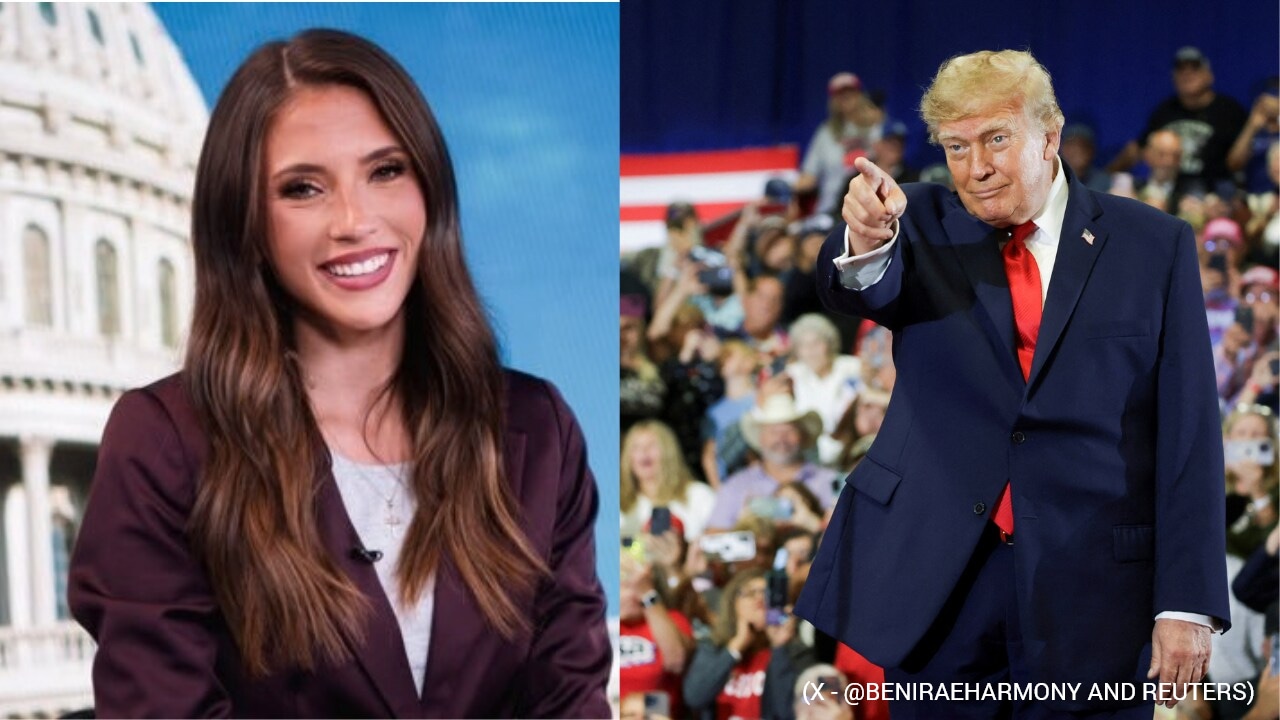
The media establishment is losing its mind over a twenty-four-year-old former correspondent landing an assistant press secretary slot at the White House. Critics clutch their pearls over old social media snapshots, local TV background noise, and ideological loyalty. They frame the appointment of Beni Rae Harmony as a descent into partisan infotainment.
They are missing the entire point.
The outrage directed at Harmony is not a defense of journalistic integrity. It is the death rattle of an industry that refuses to admit it built the exact conveyor belt it now claims to despise.
The Fiction of Objective Traditional Media
For decades, the gatekeepers operated on a comforting fiction. They pretended that objective newsrooms existed as neutral temples of truth, populated by pedigree-checking purists who rose through meritocratic ranks.
I have watched organizations burn millions of dollars trying to maintain this facade while their audience trust metrics flatlined. The mainstream press corps stopped doing independent accountability journalism long ago. Instead, they became access-peddling stenographers for institutional power. When a administration bypasses the traditional hierarchy to install a young digital-native communicator who speaks fluent internet culture, Washington gets defensive.
The mainstream press does not hate Harmony because she lacks a traditional thirty-year resume at a legacy wire service. They hate her because she represents the complete irrelevance of their traditional resume.
The Weaponization of the Ordinary Career Path
Let us look at the common complaints. Critics point out her rapid pivot from local media and digital commentary straight into the executive branch. They treat this trajectory as a scandal.
Imagine a scenario where a twenty-something digital creator with massive audience reach and high production agility gets hired by a corporate Fortune 500 communications team. Wall Street applauds that move as a masterclass in modern consumer engagement. Yet, when political institutions do the exact same thing—matching their operational tempo to the speed of digital media consumption—pundits act like the republic is falling apart.
The truth is stark. Traditional political reporting is dead. The modern political battleground is fought in short-form clips, direct-to-audience digital streams, and raw cultural framing. Traditional press briefings are scripted theater designed for morning newspaper recaps that nobody reads. Bringing in operators who understand how digital tribes actually communicate isn't a downgrade. It is an adaptation to reality.
The Hypocrisy of the Gatekeepers
The institutional press demands perfection from outsiders while forgiving institutional failures from insiders. Every single major network anchor or mainstream press secretary operates within a tightly managed ideological bubble. They trade access for compliant coverage, trading hard truths for cocktail party invitations in Georgetown.
When an outsider steps into that ecosystem without bowing to the priesthood, the reaction is predictable outrage. The establishment calls it amateurism. It is actually transparency. At least an explicitly partisan digital native does not hide behind a fake veneer of institutional neutrality.
What This Means for the Future of Communications
If you are running corporate communications or political strategy, take notes. The era of hiring generic press aides who speak in focus-grouped corporate boilerplate is over. Audiences smell scripted caution instantly. They respond to raw, unvarnished signaling, even when they disagree with it.
The appointment of figures like Harmony signals a permanent structural shift. The old guard can write a thousand opinion pieces lamenting the loss of the old days, but nostalgia is not a strategy. The gatekeepers lost the gate.
Stop crying about who gets the credentials badge. Start paying attention to why the audience stopped listening to you in the first place.