We have a sickness in how we talk about dying.
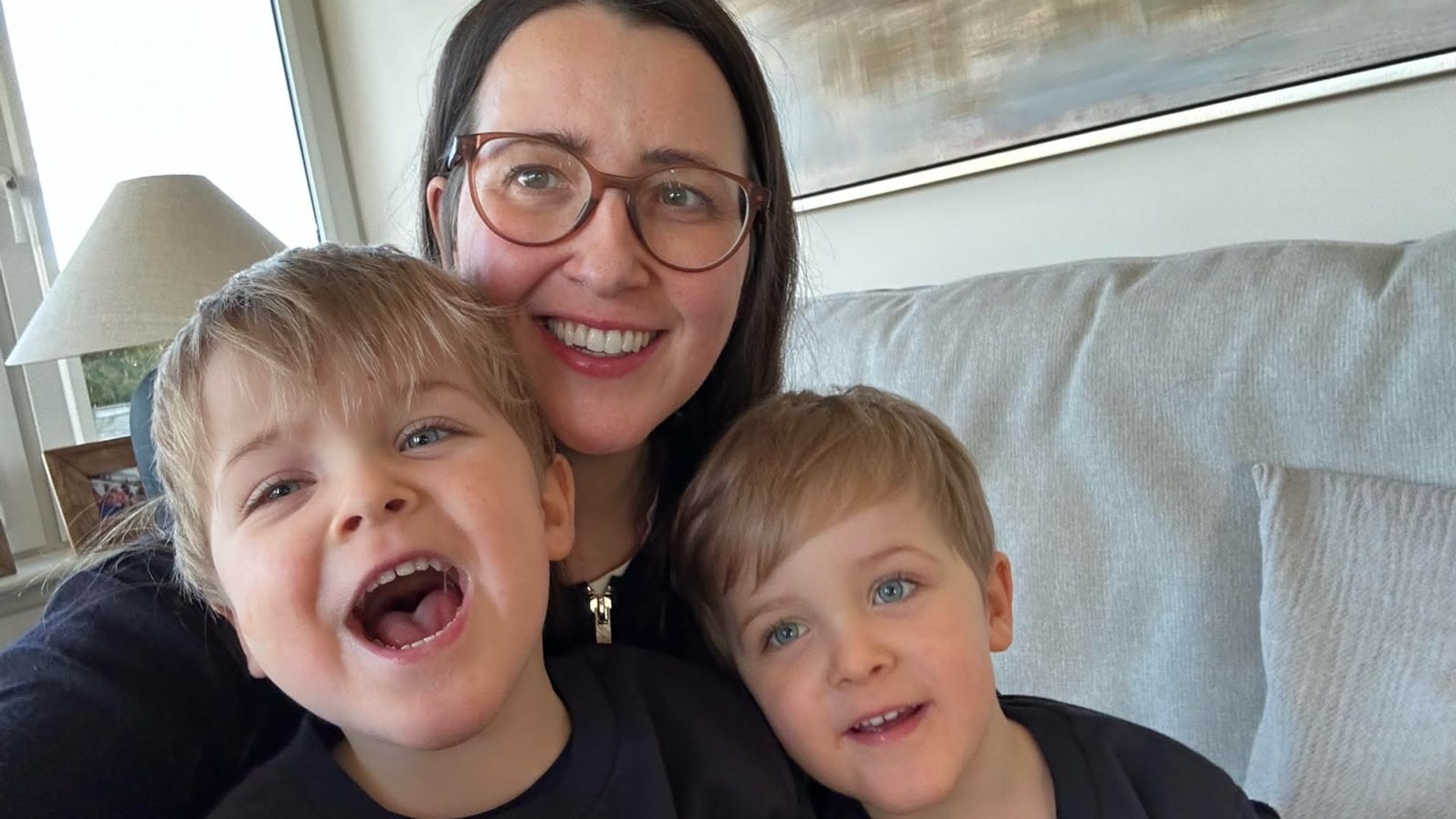
Every time a young parent receives a terminal diagnosis, the media engines whir to life to churn out the exact same narrative. You have seen the headlines. “Mother with incurable brain cancer treasuring every moment with young sons.” The accompanying photos show a glowing, albeit slightly tired, woman smiling in a sunlit park, her children laughing, seemingly untouched by the shadow of the scythe. For another view, consider: this related article.
This is not inspiration. It is psychological warfare masquerading as human interest.
By framing terminal illness as a frantic sprint to cultivate aesthetic, high-value memories, we are torturing the dying. We are demanding that people facing the literal end of their existence perform a masterclass in toxic positivity for our own comfort. It is time to dismantle this comforting lie and look at what a terminal diagnosis actually demands of a family. Related reporting on the subject has been published by WebMD.
The Tyranny of the Performative Bucket List
The cultural obsession with "making every second count" assumes that a dying person possesses an infinite reservoir of emotional resilience, physical energy, and financial resources. It treats a terminal prognosis like a sabbatical with a firm end date, rather than a brutal, systemic physical collapse.
I have spent years working adjacent to oncology wards and palliative care advocacy. I have watched families bankrupt themselves trying to afford trips to Disney World or the Grand Canyon because they believed that if they did not provide a cinematic childhood memory, they were failing their children.
Here is what actually happens on those trips:
- The patient is in excruciating pain, secretly dosing herself with liquid morphine in a public restroom.
- The children are stressed, sensing the forced, manic energy of their parents, leading to meltdowns that everyone feels guilty for having.
- The family returns home exhausted, financially depleted, and with fewer resources to handle the astronomical cost of end-of-life care.
When we tell a mother with incurable brain cancer to "treasure every moment," we are telling her that if she spends Tuesday weeping in a dark room because her head feels like it is in a vice, she has wasted a precious day. We are layering a profound sense of failure on top of terminal grief.
The Neurological Reality They Leave Out
Let us talk about the specific cruelty of applying this narrative to brain cancer.
The human interest stories rarely discuss the oncology of a progressive glioma or glioblastoma. They do not talk about the executive dysfunction. They do not mention how a tumor pressing on the frontal lobe can strip away a person's filter, turning a gentle mother into someone who snaps at her toddlers in sudden, unrecognizable rage.
+-----------------------------------+-----------------------------------+
| The Instagram Fantasy             | The Clinical Reality              |
+-----------------------------------+-----------------------------------+
| Cozy bed-sharing, reading books.  | Severe cognitive fatigue; inability|
|                                   | to follow simple plotlines.       |
+-----------------------------------+-----------------------------------+
| Deep, tearful, wise conversations.| Aphasia; the patient cannot find  |
|                                   | the words for "I love you."       |
+-----------------------------------+-----------------------------------+
| Peaceful family walks in nature.   | Hemiparesis; partial paralysis    |
|                                   | requiring a heavy wheelchair.     |
+-----------------------------------+-----------------------------------+
To tell a woman whose brain is actively being remodeled by cancer that she must "treasure" the moments when she can no longer remember her son's middle name is a sick joke. It is gaslighting on a clinical scale.
Why "Staying Positive" Is Bad Medicine
The medical community has long recognized that the pressure to maintain a positive attitude can actively harm patients. In psycho-oncology, this is known as the burden of positive thinking.
When a patient is told that their attitude is a weapon against their disease, they interpret the progression of their cancer as a personal failure of will. If the tumor grows, they assume they did not fight hard enough, hope hard enough, or "treasure" their life enough.
Dr. Jimmie Holland, a founder of psycho-oncology at Memorial Sloan Kettering Cancer Center, wrote extensively about the "tyranny of positive thinking." She argued that patients need the freedom to be angry, terrified, and utterly miserable. Depriving them of this is a form of emotional abandonment.
Children do not need a parent who is pretending to be a superhero. They need a parent who is real. When a mother hides her suffering under a mask of forced joy, she teaches her children that negative emotions are shameful things to be hidden away. She deprives them of the chance to practice real, messy, painful grief alongside her.
The Alternative: The Case for Boring, Radical Acceptance
If we stop forcing the dying to perform for us, what do we replace it with?
We replace it with radical acceptance and quiet, mundane stability.
1. Allow for Bad Days
A good day is not a day spent skydiving. A good day is a day where the nausea is managed well enough to eat half a bowl of chicken soup. Acknowledge that some days will just suck, and there is no beauty to be found in them. That is not defeatism; it is reality.
2. Prioritize Anticipatory Grief
Anticipatory grief is the mourning that occurs before a looming loss. It is painful, heavy, and absolutely vital. Families who are allowed to grieve before the death occurs—who cry together, talk about the fear of the dark, and openly acknowledge that mom is going to die—fare infinitely better in bereavement than those who spent the final months pretending everything was fine.
3. Build a Practical Legacy, Not a Cinematic One
Children do not remember the expensive trips nearly as much as they remember the daily rhythms. Instead of a trip to Hawaii, write letters for their future milestones. Record your voice reading their favorite book. But do it on a random Tuesday, in your pajamas, without an audience.
4. Fierce boundary setting
If you are dying, your energy is a non-renewable resource. You do not owe your friends, your extended family, or your social media followers a front-row seat to your grace under pressure. You have permission to lock the door, turn off your phone, and be incredibly selfish with your remaining time.
The Real Search Intent: What the Dying Actually Need to Ask
People looking up stories of terminal parents are often looking for a roadmap. They want to know how to survive the unsurvivable. But the search results give them fairy tales.
Instead of asking, “How do I make every moment count?” patients and their families should be asking:
- “How do we establish a legal guardian pipeline that minimizes disruption for the children?”
- “What palliative sedation options are available when the pain becomes refractory?”
- “How do I talk to a six-year-old about the physical process of dying without traumatizing them?”
These questions are cold. They are clinical. They do not make for viral facebook posts. But answering them honestly is the only way to protect a family from being pulverized by the reality of terminal illness.
Stop demanding inspiration from the dying. Stop using their tragedies to remind yourself to "hug your kids tighter." They are not your wake-up call. They are human beings undergoing a profound, terrifying transition, and they deserve the right to do it without a smile on their face.