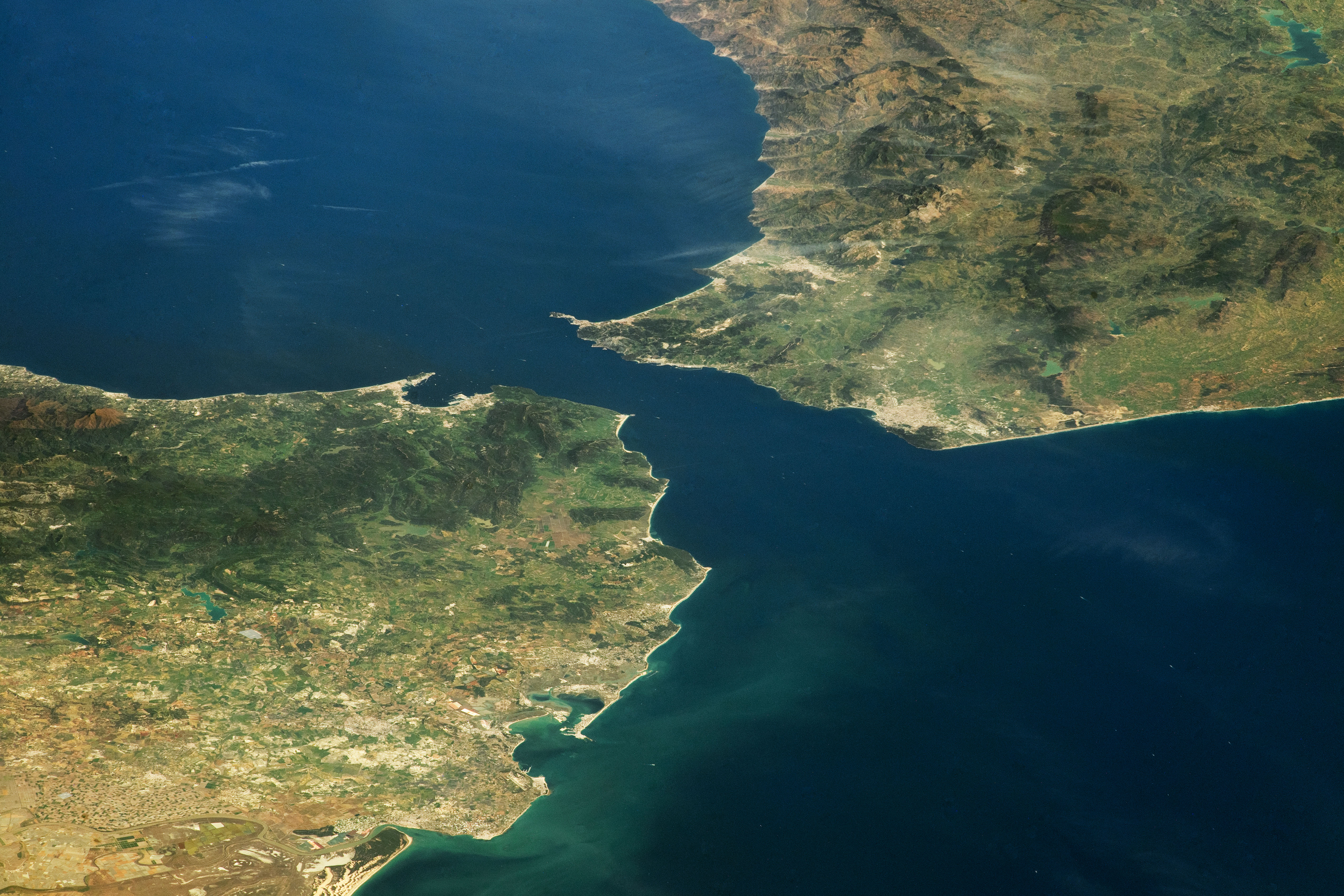
The Strait of Hormuz remains the jugular vein of the global energy architecture, and right now, it is being systematically squeezed. Tehran has tied any prospect of reopening this critical maritime corridor to a total cessation of regional hostilities, a hardline stance colliding violently with Washington's shifting diplomatic posture. Reports confirm that Donald Trump has formally rejected any return to the 2015 Joint Comprehensive Plan of Action framework, commonly known as the June deal, preferring maximum pressure over renewed nuclear diplomacy. This rejection guarantees that the standoff over the Strait of Hormuz will not de-escalate through standard diplomatic channels. Instead, the global economy faces a prolonged structural shock as energy transit through the Persian Gulf is held hostage by overlapping proxy conflicts, maritime insurance spikes, and hardening military postures.
Understanding this crisis requires stripping away the immediate rhetoric and looking at the physical geography of oil transit. Roughly one-fifth of the world's petroleum consumption passes through this narrow passage every single day. When Iranian officials condition the safe passage of commercial tankers on an end to regional wars, they are leveraging the ultimate economic choke point. They know that even a partial disruption sends shockwaves through futures markets, driving up crude prices and directly undermining Western inflation targets.
The Anatomy of the Standoff
The strategic calculus in Tehran has shifted from defensive posturing to aggressive economic deterrence. Years of unilateral sanctions dismantled Iran's formal oil export channels, forcing the regime to rely on clandestine shadow fleets and regional leverage. By linking the Strait of Hormuz to the broader theater of Middle Eastern conflicts, Iranian military planners have integrated maritime security with land-based proxy warfare.
Washington's flat refusal to re-enter the nuclear agreement removes the primary diplomatic off-ramp. Without a negotiated settlement over uranium enrichment and sanctions relief, the White House has elected to maintain a posture of economic strangulation. This policy leaves zero room for middle ground.
- Maritime Insurance Realities: Underwriters have classified the entire Persian Gulf as a high-risk zone, driving premium costs to unprecedented heights for commercial vessels.
- Naval Escort Strains: International naval coalitions are stretched thin trying to maintain continuous patrol lines against asymmetric threats like fast attack craft and coastal cruise missiles.
- Regional Spillover: Ports across the United Arab Emirates and Oman face rising operational friction as shippers hesitate to berth near the mouth of the gulf.
The Economic Fallout Beyond the Gulf
Markets have a habit of pricing in geopolitical risk until the risk becomes an active physical interruption. When tankers are diverted or forced to anchor offshore due to imminent threat warnings, the delay ripples down supply chains with mathematical precision. Refineries in Asia, which depend heavily on Persian Gulf crude, are forced to bid aggressively for alternative spot cargoes from West Africa and the Americas.
This scramble for non-Gulf crude spikes freight rates globally. VLCC charter rates fluctuate wildly with every new missile test or drone interception reported near the Musandam Peninsula. Energy analysts tracking tanker tracking data note a persistent reluctance among major shipowners to transit the strait without premium state-backed security guarantees, which most navies are increasingly hesitant to provide unilaterally.
The rejection of the June deal also signals to regional middle powers that Washington lacks the appetite for a comprehensive regional reset. Saudi Arabia and the UAE are watching these developments with acute anxiety. While normalization tracks and direct talks between Riyadh and Tehran have lowered immediate border tensions, the closure of Hormuz would instantly nullify any economic diversification gains in the Gulf states. Vision 2030 blueprints and massive infrastructure projects depend entirely on the uninterrupted, cheap flow of maritime trade.
Asymmetric Deterrence and Naval Reality
Military planners often talk about command of the sea, but Hormuz represents a unique geographic trap. At its narrowest point, the shipping lanes are barely two miles wide inbound and outbound, separated by a two-mile buffer zone. This forces massive supertankers into predictable corridors within easy range of land-based anti-ship batteries, mobile rocket launchers, and fast attack craft operated by the Islamic Revolutionary Guard Corps Navy.
Countering this threat requires an unsustainable commitment of naval assets. A single destroyer deployed to escort commercial traffic through the strait represents millions of dollars in operational costs per week, exposing high-value assets to saturation attacks by low-cost asymmetric platforms. Tehran understands this cost asymmetry intimately. They do not need to defeat a carrier strike group to achieve their strategic objectives; they only need to make the risk equation untenable for commercial shipowners.
When state actors abandon multilateral frameworks like the nuclear deal, they default to brute force diplomacy. The refusal to engage with the architecture of the June agreement guarantees that sanctions will remain the primary tool of statecraft, while maritime disruption remains Iran's primary counterweight.
The Unresolved Horizon
Shipping executives and energy traders are quietly preparing for a protracted period of friction. There is no sign of a diplomatic breakthrough on the horizon, and neither side is willing to blink first. Washington calculates that domestic economic pressures in Iran will eventually crack the regime's resolve, while Tehran bets that rising global energy prices will fracture Western political consensus before their own economy collapses entirely.
The Strait of Hormuz sits at the bloody intersection of these incompatible gambles. As long as regional wars rage from the Levant to the Red Sea, the maritime lifeline of the Persian Gulf will remain a loaded weapon pointed directly at the heart of the global economy.


