Geopolitical chess matches in the Persian Gulf rarely follow a clean script. When regional tensions spike around the Strait of Hormuz, the immediate anxiety centers on global crude prices and the physical safety of tankers hauling millions of barrels of oil past hostile shores. Yet the operational reality of moving petroleum through this narrow marine corridor involves complex logistics that go far beyond simple tanker transits. Recent escalations involving Iran, the United States, and the United Arab Emirates highlight a persistent chokepoint vulnerability. Tankers moving out of UAE terminals face mounting interception risks, putting maritime supply chains under unprecedented stress.
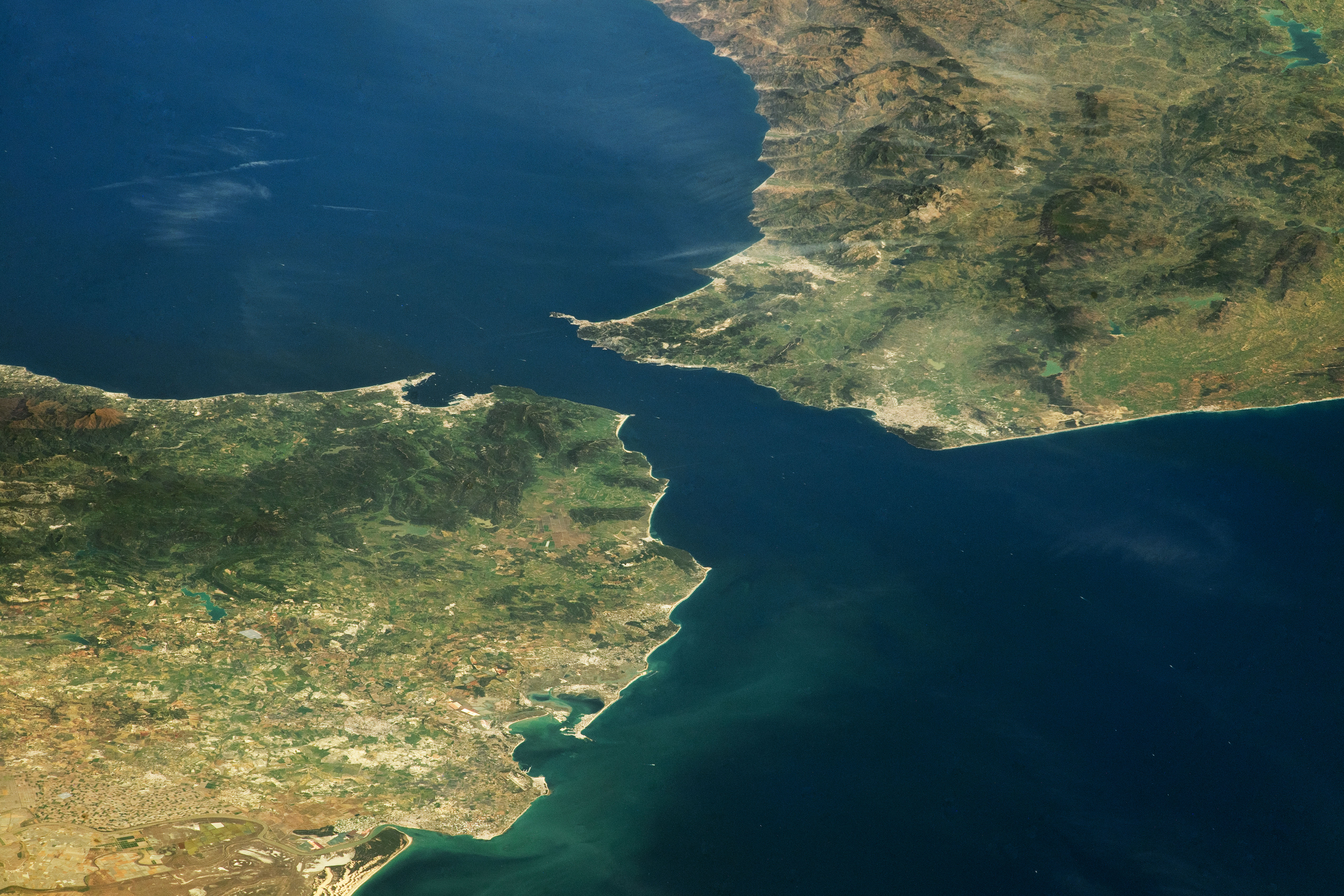
At the center of this friction is the geography of energy transit. The Strait of Hormuz is barely twenty-one miles wide at its narrowest point, with inbound and outbound shipping lanes only two miles wide each, separated by a two-mile buffer zone. This bottleneck funnels roughly a fifth of the world's petroleum consumption past the territorial waters of an adversary with a proven doctrine of asymmetric naval warfare. When Tehran signals an intent to challenge commercial vessels tied to Western security partners or regional adversaries, the financial impact ripples instantly across international markets. For an alternative perspective, check out: this related article.
Understanding the mechanics of the US-UAE oil shuttle requires looking past the political rhetoric and examining how crude actually moves from desert extraction fields to global refineries. The United Arab Emirates relies heavily on the Fujairah export terminal on the Gulf of Oman, an infrastructure masterpiece designed specifically to bypass the Strait of Hormuz entirely for a portion of its output. However, significant volumes of crude and refined products still originate within the Arabian Gulf proper, requiring tankers to thread the maritime needle before reaching open water.
The Logistics of Vulnerability
Maritime transit through the Gulf operates on razor-thin margins of insurance, timing, and legal designation. Commercial vessels flying flags of convenience or carrying cargoes linked to Western corporations become high-value pawns in regional disputes. When Iranian naval forces execute snap exercises, deploy fast-attack craft, or seize commercial vessels under questionable legal pretexts, the effect on shipowners is immediate. War risk insurance premiums skyrocket overnight. Crews grow reluctant to enter waters where GPS spoofing, electronic jamming, and unannounced boarding actions are standard operational hazards. Similar analysis on this trend has been published by The Guardian.
The United States Navy maintains a continuous presence in the region through the Fifth Fleet, headquartered in Bahrain, tasked with ensuring freedom of navigation. Yet naval escorts cannot shadow every single hull. The sheer volume of maritime traffic makes comprehensive protection mathematically impossible. Tankers moving crude from UAE ports must navigate waters where Islamic Revolutionary Guard Corps Navy speedboats routinely test the rules of engagement. These cat-and-mouse games create an environment of chronic uncertainty.
Economic Shockwaves and Market Realities
Energy markets hate ambiguity more than they hate bad news. When reports emerge of detained vessels or direct threats against oil transit lanes, traders price in worst-case scenarios before a single barrel is actually lost. The psychological weight of the threat often outweighs the physical disruption. Refiners in Asia and Europe, the primary destinations for Gulf crude, are forced to contingency-plan for sudden supply shocks.
Consider the operational adjustments required when a shipping company decides to reroute or delay a voyage. A single supertanker carrying two million barrels of crude represents hundreds of millions of dollars in working capital. Delaying its departure by forty-eight hours or forcing it to steam at higher speeds to make up for evasive routing burns expensive bunker fuel and disrupts refinery feedstock schedules halfway across the world. These friction costs accumulate quietly, ultimately landing on the end consumer at the fuel pump.
Asymmetric Deterrence at Sea
Iran’s maritime strategy relies on asymmetric capabilities designed to neutralize conventional naval superiority. Rather than engaging heavy warships in direct combat, Tehran employs a mix of land-based anti-ship cruise missiles, sea mines, armed drones, and swarms of fast-attack craft. This mosaic of threats forces the United States and its regional partners into a defensive posture.
For the UAE, navigating this tense environment requires a delicate diplomatic balancing act. Abu Dhabi maintains strategic security partnerships with Washington while simultaneously managing its complex commercial relationship with Tehran. A total disruption of Gulf trade serves no one's economic interest, least of all energy exporters whose national budgets depend on uninterrupted cash flow. Consequently, behind-the-scenes diplomatic channels work overtime whenever maritime tensions flare, attempting to de-escalate crises before a tactical miscalculation triggers a broader regional conflict.
The Broader Energy Security Equation
The long-term viability of the Strait of Hormuz as an energy corridor remains an unresolved vulnerability for the global economy. Despite decades of discussions regarding alternative pipelines—such as the Habshan-Fujairah oil pipeline, which allows the UAE to pump crude directly to the Gulf of Oman—the sheer volume of maritime trade means the world cannot simply bypass the strait.
As long as petroleum remains the primary lifeblood of global transportation, the security of the maritime shuttle linking UAE production terminals to international markets will hang by a precarious thread. Every intercepted vessel, every intercepted communication, and every spike in insurance rates serves as a reminder that the global energy architecture rests upon deeply contested waters where control is perpetually contested.