The Tuesday phone call between Prime Minister Narendra Modi and U.S. President Donald Trump was framed by official channels as a routine diplomatic exchange on regional stability. It was anything but. Behind the carefully sterilized readouts lies a frantic effort to prevent the total collapse of the Indian energy economy as the "war of the chokepoints" enters its fourth week.
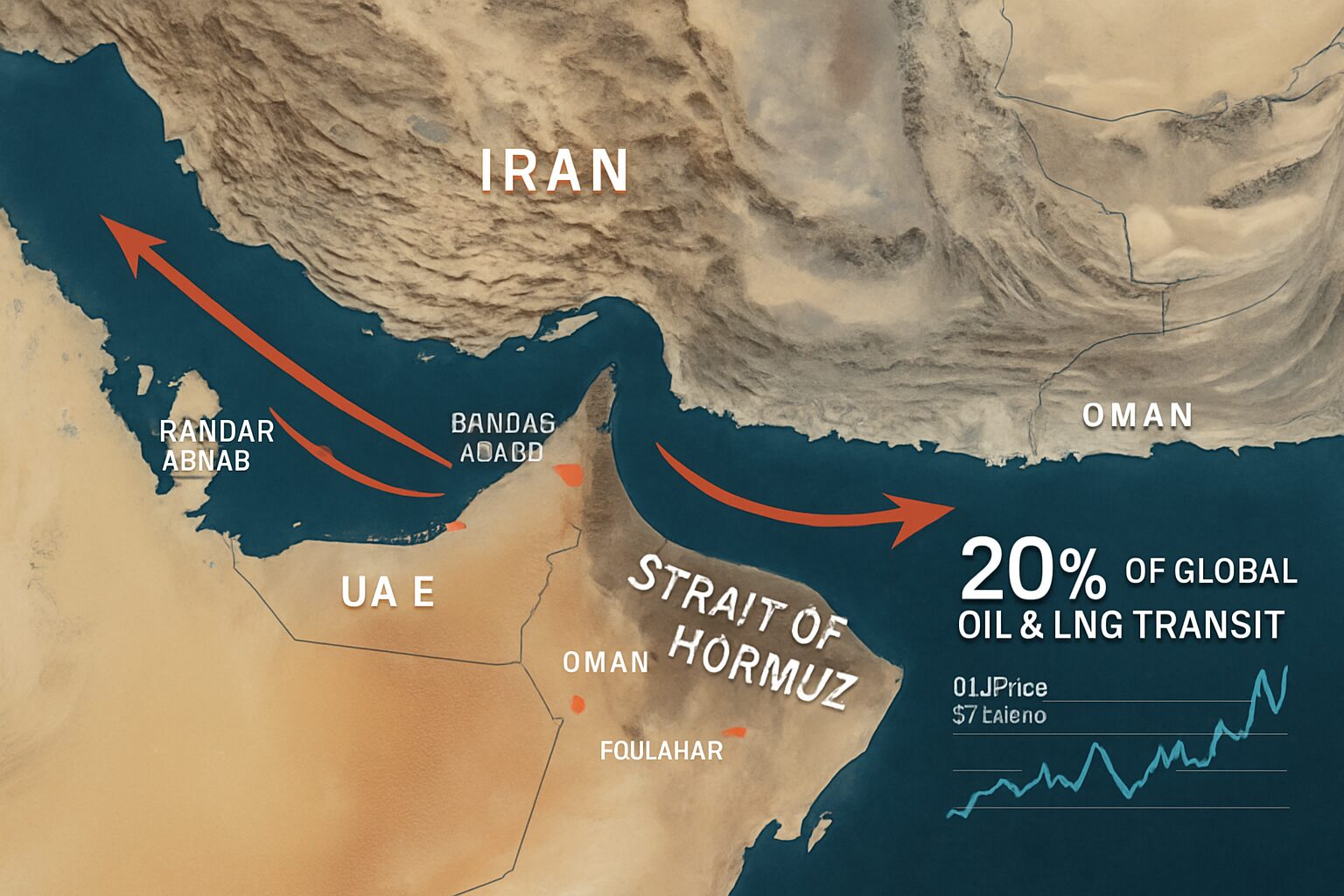
For India, the stakes are no longer just about the price of a barrel. They are about physical survival. With 20% of the world’s oil and LNG normally transiting the Strait of Hormuz, the effective blockade triggered by the U.S.-Israel-Iran conflict has hit New Delhi where it hurts most. While the U.S. has reached a state of energy independence that allows Trump to treat the Middle East as a geopolitical chessboard, India remains tethered to the Gulf. This call was the moment the "strategic autonomy" of New Delhi met the "transactional realism" of Mar-a-Lago.
The Twenty Day Countdown
The most alarming factor ignored by mainstream coverage is India’s rapidly depleting Strategic Petroleum Reserve (SPR). Unlike China, which holds roughly 80 days of supply, or Japan, which sits on 250, India’s practical runway is estimated at a mere 20 to 25 days at current consumption levels.
We are currently 25 days into the conflict that began on February 28. The math is brutal. India is essentially running on fumes and the cargoes that managed to clear the Strait just before the IRGC began targeting tankers. When Modi emphasizes that keeping the Strait open is "essential for the whole world," he is specifically talking about the 15% of Indian oil and the massive Qatari LNG shipments that have vanished from the horizon.
Trump’s Coalition of the Willing (and the Desperate)
President Trump’s approach to the crisis has been consistent with his long-standing "protection for payment" philosophy. He has publicly demanded that nations affected by the Hormuz closure—specifically China, India, Japan, and South Korea—send their own warships to police the waters.
"I’m demanding that these countries come in and protect their own territory," Trump told reporters recently. "We have a lot of oil; we don't even need to be there."
This puts New Delhi in a diplomatic vice. For decades, India has avoided joining U.S.-led naval task forces in the Persian Gulf to maintain its delicate relationship with Tehran. However, the killing of six Indian nationals in the region since the start of the war and the sinking of merchant vessels have made the old policy of "wait and see" untenable. The call on Tuesday suggests Trump is turning the screws, likely tying U.S. military "escort services" or diplomatic pressure on Tehran to specific Indian commitments—perhaps even the deployment of Indian Navy destroyers to the U.S.-led coalition.
The Secret Channel to Tehran
While the U.S. uses the "Department of War" to signal strength, India has been playing a much quieter, more dangerous game. Just days before speaking to Trump, Modi held a call with Iranian President Masoud Pezeshkian.
The objective was clear: a separate peace.
India has been trying to leverage its historical ties and its management of the Chabahar Port to secure "safe passage" for Indian-flagged vessels. It hasn't worked. Despite External Affairs Minister S. Jaishankar's efforts, Tehran has refused to grant a "blanket arrangement." Instead, they are bartering ship by ship.
Reports suggest Tehran is demanding the release of tankers seized by Indian authorities last month in exchange for letting LPG carriers like the Shivalik and Nanda Devi through. This is the "Hormuz Hold’em" that the competitor articles failed to mention. India is being squeezed from both sides: Trump wants a junior partner for his naval coalition, and Tehran wants a diplomatic shield against U.S. strikes.
The LNG Trap
The crisis has exposed a massive structural flaw in India’s energy transition. While oil can be sourced from Russia or the Atlantic basin—at a massive premium—LNG is a different beast.
About 93% of the LNG passing through the Strait comes from Qatar. There is no easy "pivot" for a gas-starved economy. If the Strait remains "effectively closed" for another month, the industrial heartlands of Western India will begin to go dark. Fertilizer production, already under pressure, could stall, leading to a secondary crisis in the agricultural sector.
The Joint Control Illusion
Trump’s recent rhetoric about "jointly controlling" the Strait with "the Ayatollah" or his successor suggests a deal is in the works, but the timeline is the enemy. Trump’s five-day pause on strikes against Iranian energy infrastructure is a ticking clock.
If those "productive conversations" fail, the next phase will likely involve the destruction of the very terminals India relies on. New Delhi knows that a "victory" for the U.S. that results in the permanent disabling of Gulf infrastructure is a pyrrhic one for India.
The New Reality of Indian Diplomacy
This isn't the 20th century, and India is no longer a bystander. The Modi-Trump call marks a shift toward a more muscular, albeit forced, maritime policy. The Indian Navy is already the most capable regional force outside of the superpowers, and the pressure to move from "monitoring" to "active escort" is becoming irresistible.
The "useful exchange of views" described in the press releases is code for a high-stakes negotiation over the price of security. India is learning that in a world of "America First," the "Global South" has to pay for its own seat at the table—or risk being left in the dark.
Ask yourself if the Indian Navy is prepared to fire on Iranian assets to protect a Qatari shipment. Because that is the question Trump just put on Modi’s desk.