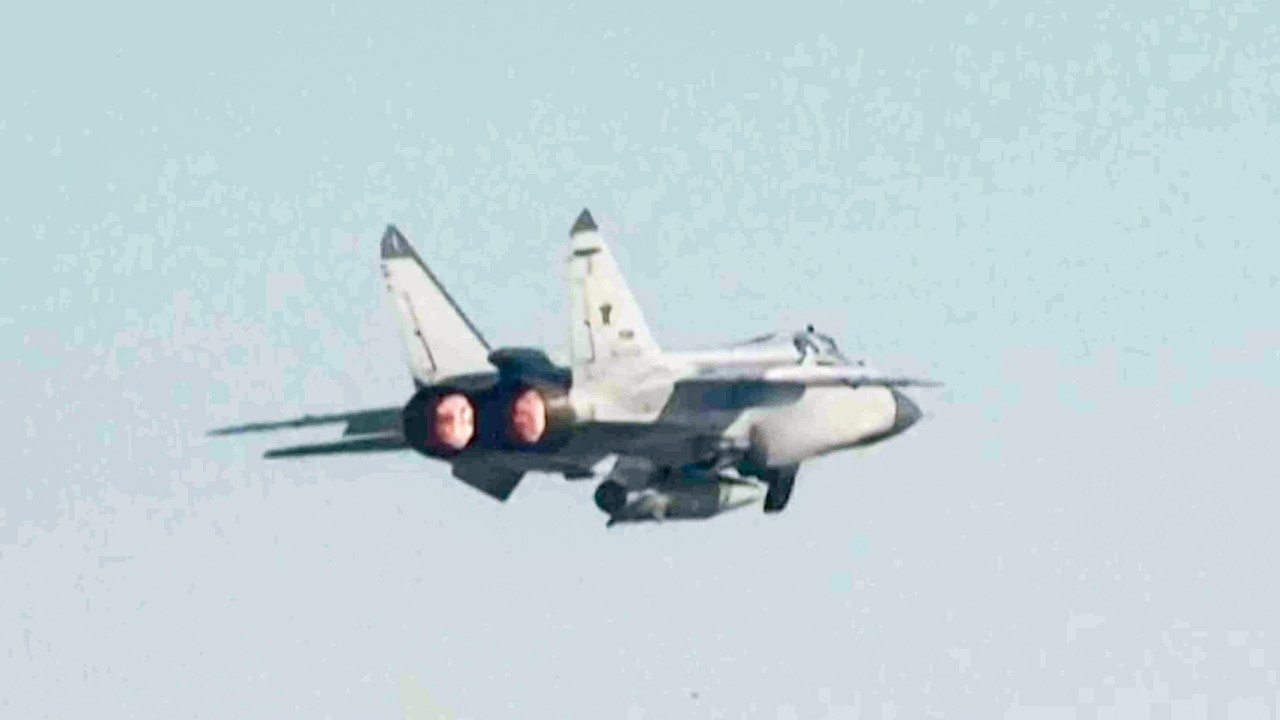
British naval assets are currently integrating with American strike groups in a desperate bid to stabilize the Strait of Hormuz. This surge in activity follows a series of unilateral declarations from the Trump administration that have effectively shattered decades of established maritime protocol. While the White House insists the United States can break any blockade alone, the reality on the water tells a different story. The Royal Navy is not just a secondary participant; it is the glue holding a fraying logistical network together.
The Strait of Hormuz is a narrow chokepoint where the world’s energy security is won or lost. At its narrowest, the shipping lane is barely two miles wide in either direction. Every day, roughly 20 million barrels of oil pass through this corridor. If the flow stops, the global economy does more than just stutter. It breaks.
The Friction Between Rhetoric and Reality
Washington’s current stance suggests that American military might is sufficient to bully its way through any Iranian-led disruption. The administration has signaled a clear preference for independent action, yet the Pentagon is quietly leaning on the Ministry of Defence in London to provide the specific, localized expertise that the U.S. Navy currently lacks in the Persian Gulf.
The "America First" doctrine has created a massive strategic vacuum. By threatening to bypass traditional allies, the U.S. has signaled to regional powers that the old rules of engagement are dead. This creates a dangerous incentive for escalation. When a superpower claims it will act alone, it loses the deterrent weight of a coalition. The British presence is an attempt to restore that weight, even if the public messaging from Washington suggests otherwise.
The Technical Reality of a Blockade
Breaking a blockade is not just about having the biggest ships. It is a grueling, technical exercise in mine countermeasures and electronic warfare. Iran knows it cannot win a head-to-head naval battle against a carrier strike group. Instead, they rely on "asymmetric" tactics. This means hundreds of fast-attack boats, sea-skimming missiles, and sophisticated underwater mines.
The Royal Navy remains a world leader in mine hunting. Their crews are trained specifically for the shallow, cluttered environments of the Gulf. If the Strait is seeded with sophisticated, sensor-fused mines, a billion-dollar American destroyer becomes a liability rather than an asset. The British Hunt-class and Sandown-class vessels are the silent workhorses that actually clear the path for the giants.
The Intelligence Gap in the Gulf
Information is the most valuable currency in a conflict zone. For years, the U.K. has maintained deep-rooted intelligence networks across the Gulf States. These "human intelligence" (HUMINT) assets provide context that satellites cannot see. They understand the tribal nuances and the internal politics of the Iranian Revolutionary Guard Corps (IRGC).
Without British cooperation, the U.S. is essentially flying blind. We are seeing a return to "cowboy diplomacy," where tactical decisions are made based on political optics rather than ground-level reality. The British are effectively serving as the "adults in the room," translating American aggression into a coherent maritime strategy that doesn't inadvertently trigger a Third World War.
The Cost of Going Solo
There is a financial and logistical toll to unilateralism. A single carrier strike group costs billions to maintain and deploy. By alienating allies, the U.S. is forced to foot the entire bill for global security. Furthermore, it creates a "whack-a-mole" scenario. If the U.S. focuses all its resources on Hormuz to prove a point, it leaves other theaters—like the South China Sea or the Baltic—vulnerable.
- Logistics: Allies provide the ports, the fuel, and the repair facilities.
- Diplomacy: A coalition can lobby for international sanctions; a lone actor looks like an aggressor.
- Sustainability: No single navy can maintain 24/7 patrols in a high-tension zone indefinitely.
The Invisible Cyber Front
Modern blockades aren't just physical. The battle for the Strait of Hormuz is being fought in the electromagnetic spectrum. Iran has significantly upgraded its jamming capabilities, aiming to blind the GPS and communication systems of commercial tankers.
The British military has been quietly deploying specialized units to harden the defenses of civilian shipping. This isn't about firing guns. It is about "signature management"—making a massive oil tanker look like a small fishing boat on radar, or spoofing the signals that Iranian drones use for targeting. This technical layer of the conflict is completely absent from the headlines, but it is where the real war is being won.
The Risks of a "Vow-Based" Foreign Policy
When a leader makes a public vow to break a blockade without help, they lock themselves into a path of escalation. If Iran tests that vow, the President must respond or lose face. This creates a "commitment trap." The British involvement offers a graceful exit strategy. By framing the operation as a "joint security mission," the U.S. can claim victory while spreading the risk.
However, the British are not doing this out of pure altruism. London is terrified of a total American withdrawal from international norms. They are trying to prove their utility to an administration that views traditional alliances as a burden. It is a high-stakes gamble for the U.K., as any loss of British life in a U.S.-led skirmish would be politically catastrophic at home.
The Economic Fallout of Miscalculation
The market hates uncertainty. Even the rumor of a clash in the Strait sends insurance premiums for tankers into the stratosphere. Some shipping companies are already rerouting vessels around the Cape of Good Hope, adding weeks and millions of dollars to their journey.
If the U.S. fails to provide a stable, predictable security environment, the "Hormuz Surcharge" will become a permanent fixture of the global economy. This is the irony of the current approach. In the name of protecting national interests, the administration is creating a chaotic environment that hurts the very consumers it claims to protect.
Infrastructure Vulnerability
The world focuses on the ships, but the shore-based infrastructure is just as vulnerable. Desalination plants, oil terminals, and loading docks are all within range of Iranian short-range missiles. A "victory" in the water means nothing if the ports on either side are smoldering ruins. The U.K.’s strategy involves significant shore-based diplomacy and defense, trying to convince regional partners that the U.S. isn't just looking for a fight.
The Future of Maritime Sovereignty
We are witnessing the death of the "Global Commons." For nearly eighty years, the idea that the oceans were a shared space protected by a consensus of nations was the bedrock of trade. That consensus is being replaced by a "might makes right" philosophy.
This shift is a gift to nations like China and Russia. If the U.S. ignores international maritime law in the Middle East, it has no moral standing to complain when other powers do the same in their respective backyards. We are moving toward a world of "fortress zones," where trade is only possible if you have a massive naval escort.
The British Dilemma
The U.K. is walking a tightrope. They cannot afford to let the Strait close, but they also cannot afford to be seen as the "junior partner" in an American crusade. Their strategy is one of "integrated deterrence"—using their limited assets to maximum effect while trying to steer the American giant toward a more multilateral approach.
It is a exhausting role. The Royal Navy is smaller than it has been in centuries. Their ships are overworked and their crews are stretched thin. Every destroyer sent to the Gulf is one less ship protecting the North Sea or the Atlantic.
The Technological Solution That Isn't
There is a growing belief in some circles that "unmanned systems" will solve the problem. The idea is to flood the Strait with thousands of small, cheap sea-drones that can monitor and even intercept threats. While the technology is impressive, it lacks the most important element of naval warfare: human judgment.
An autonomous drone cannot negotiate with an IRGC commander. It cannot read the subtle cues of an escalating situation. In a narrow corridor like Hormuz, where a single mistake can trigger a regional war, relying on algorithms is an invitation to disaster. The British understand this. Their presence is about putting experienced human eyes on the problem.
The Real Reason the Blockade Persists
The blockade isn't just about ships and mines. It is a psychological state. As long as Iran believes it can disrupt the flow of oil without facing a unified global response, they will continue to use the Strait as a lever. The Trump administration’s rejection of allies has given Tehran exactly what it wanted: a divided opposition.
The British military’s work with the U.S. is a frantic attempt to repair that division before it’s too late. It is a reminder that even the world’s greatest superpower cannot maintain global order by decree. You need friends. You need expertise. And you need a strategy that goes deeper than a social media post.
Check the current positioning of the HMS Duncan and the American 5th Fleet assets. If they aren't operating in perfect synchronization within the next 48 hours, the price of crude oil is the least of our worries.