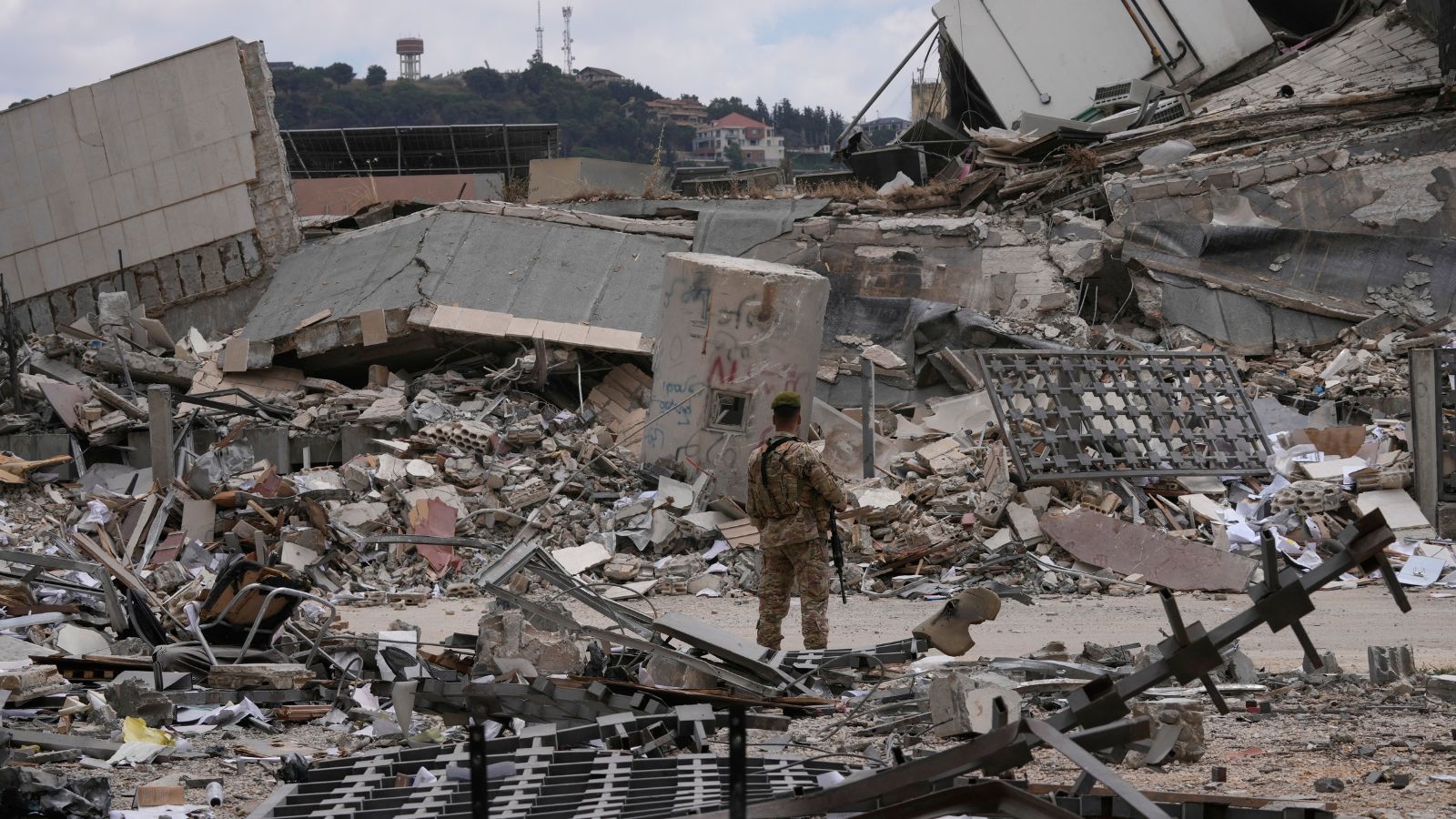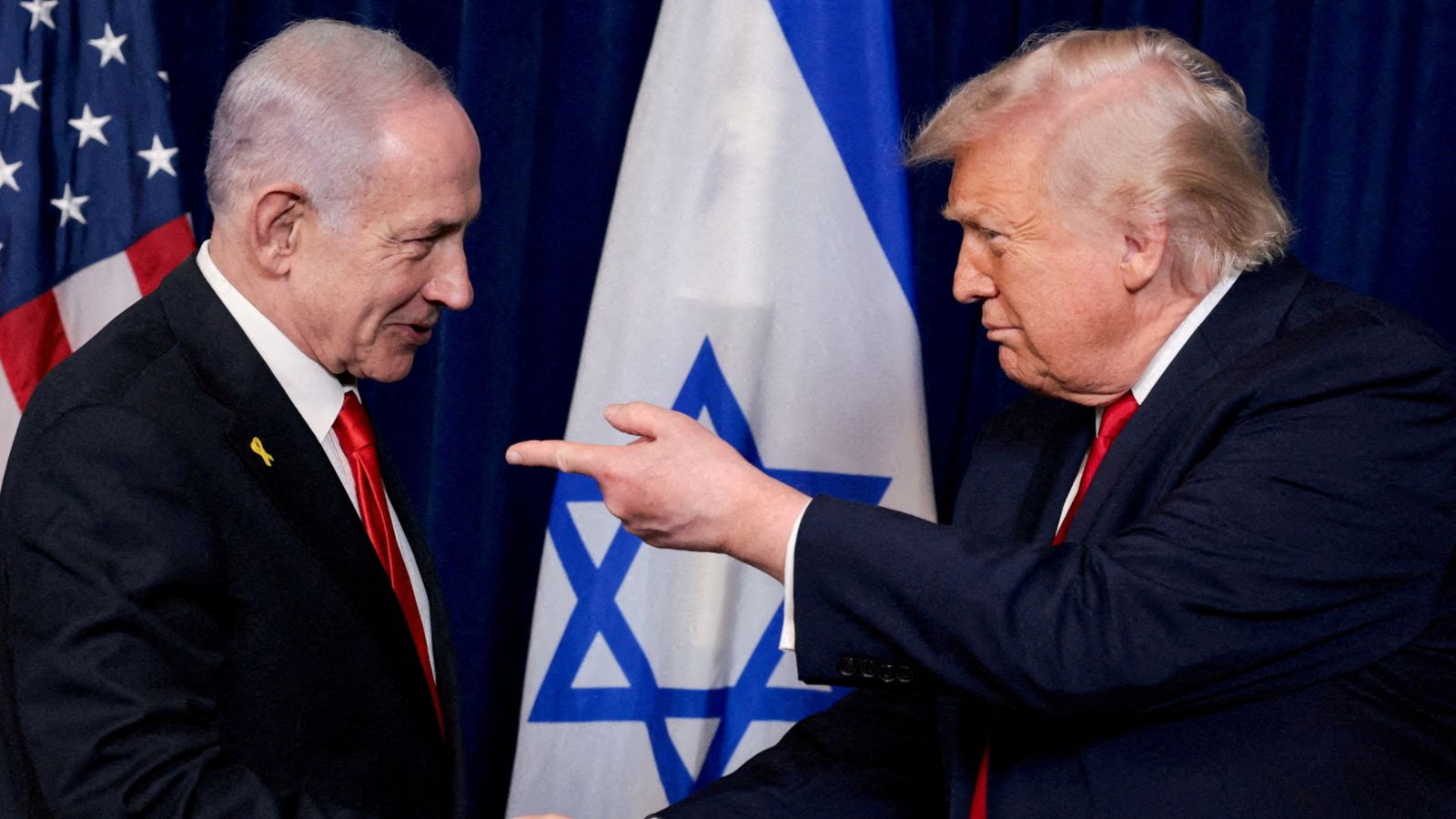
Mainstream diplomatic reporting loves a predictable narrative. When Oman and Iran sit down to discuss "managing navigation" in the Strait of Hormuz, the predictable media apparatus immediately churns out pieces tracking the "hope for regional stability" or the "critical diplomatic channels preventing escalation."
It is a comforting bedtime story for energy markets. It is also completely wrong. Don't miss our previous coverage on this related article.
The lazy consensus treats these bilateral maritime talks as a lever for genuine security. They assume that if Muscat and Tehran shake hands over shipping lanes, the risk premium on global crude drops. This view misunderstands the mechanical reality of Persian Gulf choke points, the actual limitations of Omani neutrality, and the raw physics of modern asymmetric warfare.
These talks are not a security mechanism. They are diplomatic theater designed to project an illusion of control over a strait that neither party can truly stabilize when the regional temperature rises. To read more about the history here, The Washington Post provides an in-depth summary.
The Myth of Shared Choke Point Management
To understand why these bilateral meetings are practically toothless, you have to look at the geography and the law. Media reports frequently highlight that Oman and Iran jointly flank the Strait of Hormuz. The implication is that they hold the keys to the gate.
They don't.
Under the 1982 United Nations Convention on the Law of the Sea (UNCLOS), the Strait of Hormuz is governed by the regime of transit passage. Even though the shipping lanes lie entirely within the territorial waters of Oman and Iran, international vessels—including military warships—enjoy the right of unimpeded transit passage. Neither Muscat nor Tehran has the legal authority to arbitrarily alter the rules of navigation for international commerce without triggering a global crisis.
When Oman and Iran meet to discuss "coordination," they are largely tweaking administrative protocols, search-and-rescue communication, and pollution control. They are not negotiating the geopolitical dial of the strait.
I have watched analysts overemphasize these bureaucratic meetings for a decade, spinning minor coast guard agreements into signs of a diplomatic breakthrough. It is a fundamental misreading of terms. Administrative coordination is not security enforcement.
Why Omani Neutrality is Overrated in Hard Security
Oman has long enjoyed a reputation as the "Switzerland of the Middle East." Muscat’s ability to maintain open lines of communication with Tehran, Washington, Riyadh, and London is a genuine diplomatic achievement. But diplomacy is not deterrence.
In a crisis scenario where Iran decides to utilize its anti-access/area-denial (A2/AD) capabilities—such as fast attack craft, smart sea mines, and shore-based anti-ship cruise missiles—Oman’s diplomatic goodwill cannot absorb the kinetic impact.
Consider the physical reality of the shipping lanes. The inbound and outbound traffic separation schemes are incredibly narrow, only a few miles wide. If the Islamic Revolutionary Guard Corps (IRGC) Navy deploys naval mines or uses loitering munitions to strike a commercial tanker, Oman cannot stop them. Muscat’s navy is designed for patrol and border defense, not for countering a full-scale asymmetric interdiction campaign by a highly motivated regional power.
The illusion lies in thinking Oman acts as a brake on Iranian regional ambitions. Tehran values Oman as a backchannel to the West and a valve to relieve economic pressure, not as a security partner that dictates its maritime strategy. When Iran chooses to escalate in the waters of the Gulf—as it did during the 2019 "Tanker War" incidents—Oman’s role is reduced to post-incident cleanup and message delivery. Believing these talks prevent disruption is like believing a smoke detector can put out a kitchen fire.
The Broken Premise of Energy Security Questions
If you look at the questions frequently raised by risk analysts and corporate boards, the premise is almost always flawed.
Question: Will Omani-Iranian maritime cooperation guarantee the safety of LNG and oil tankers passing through the strait?
Brutally Honest Answer: No. Safety in the strait is guaranteed exclusively by the presence of international naval coalitions, such as the US-led International Maritime Security Construct (IMSC) or the European-led EMASOH. Iran respects hard power and retaliatory capability, not bilateral administrative memos signed in Muscat.
Question: Does a successful round of talks signify a reduction in the geopolitical risk premium for shipping insurance?
Brutally Honest Answer: Underwriters do not lower insurance premiums because Omani and Iranian officials discussed joint maritime safety. Lloyds of London looks at drone capabilities, regional missile strikes, and state-sponsored seizures. These talks are white noise to the people who actually price maritime risk.
The Real Drivers of Hormuz Stability Have Nothing to Do with Diplomacy
The stability of the Strait of Hormuz is governed by a delicate, unstable balance of economic mutual assured destruction and military posture.
Iran relies on the strait just as much as its neighbors do for its own economic survival. Despite heavy sanctions, Tehran exports millions of barrels of crude per day, largely to buyers in Asia. A total closure of the strait strangulates Iran’s own collapsing economy. This economic self-interest, combined with the permanent deployment of Western naval assets in the region, is the only real barrier keeping the strait open.
When the mainstream media covers these bilateral meetings as a significant variable in the stability equation, they ignore the structural drivers. They focus on the handshake because analyzing the deployment metrics of the US Fifth Fleet or the domestic economic desperation of Tehran requires more effort.
The Downside of Disruption
Taking a cold, realist view of these talks means admitting an uncomfortable truth: the stability of global energy markets hangs by a thread that diplomatic talk shops cannot mend.
If you stop buying into the narrative of diplomatic progress, you have to accept that the Strait of Hormuz is fundamentally unfixable via peaceful negotiation. It will remain a geopolitical flashpoint as long as the structural conflict between Iran and the West persists. For global businesses and shipping consortia, this means realizing that no amount of regional dialogue removes the inherent vulnerability of moving 20% of the world's petroleum liquids through a twenty-one-mile-wide choke point.
Stop looking at the press releases coming out of Muscat. Stop tracking the meaningless communiqués about shared maritime management. If you want to know if the Strait of Hormuz is safe tomorrow, look at the movement of carrier strike groups and the daily volume of Iranian crude exports. Everything else is just a distraction.
The next time an analysis tells you that Oman and Iran are working together to secure the strait, ignore it. They are merely arranging the deck chairs on a ship navigating an active minefield.