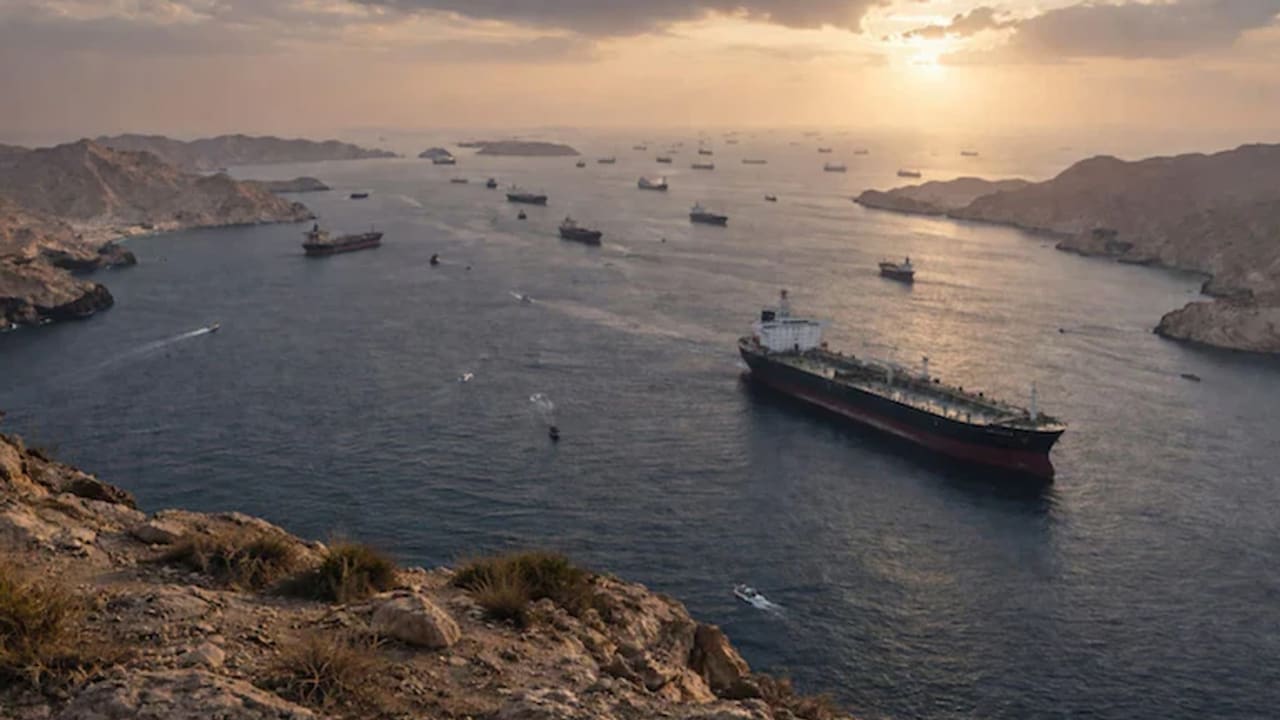
The Strait of Hormuz is finally seeing a rush of hulls again. On June 18, 2026, trackers verified 25 commercial vessels crossing the world's most critical energy chokepoint. It is the highest single-day count in two full months, sparked by the newly minted Islamabad memorandum of understanding (MoU) between the United States and Iran.
For a global shipping industry that has spent nearly four months bleeding billions of dollars, this should be a moment of pure relief. Since March, traffic through the strait slowed to a pathetic trickle, averaging just 7.6 crossings per day compared to the pre-war norm of roughly 110. The sudden jump to 25 ships looks like a massive win.
Honestly, it isn't. Not yet.
If you look past the headlines, this sudden surge in maritime traffic reveals a fragile, chaotic reality. Shipowners are celebrated for returning to the Persian Gulf, but they are walking straight into a legal and logistical minefield.
The Paperwork Trap of the New Transit Rules
The biggest mistake you can make right now is assuming the Strait of Hormuz has gone back to its old, open-source rules of engagement. Under the interim 60-day US-Iran deal, the US Navy lifted its punishing naval blockade, but Iran did not just hand back the keys to the highway.
Instead, Tehran established the Persian Gulf Strait Authority (PGSA). This brand-new regulatory body just dropped a stack of compliance mandates that strip away any remaining illusions of free transit.
If you want to send a tanker through the northern route near Larak Island, you cannot just steam ahead. You have to submit a formal transit application 48 hours in advance. That application is only valid for a strict five-day window. If your vessel gets delayed by port congestion or mechanical issues, you go right back to the end of the queue.
Worse, the PGSA dictates that all vessels must carry approved Iranian insurance coverage. For now, Iran says it is waiving both the transit fees and the insurance premiums for the duration of the 60-day negotiation period. But they explicitly warned that they reserve the right to slap heavy fees on these policies in the future.
It is a classic bait-and-switch tactic. Tehran is using this temporary peace window to get global shipping firms accustomed to filing paperwork directly with Iranian bureaucrats, establishing a legal precedent of total administrative control over the strait.
Dark Crossings and Real Mines
The tracking data itself hides a much darker story. Data firms like Kpler and AXSMarine openly admit that the 25 verified crossings are likely an undercount. Why? Because a significant number of captains are still turning off or manipulating their Automated Identification System (AIS) transponder signals.
When ship operators deliberately go dark in a newly reopened war zone, it tells you exactly how much faith they have in the current ceasefire. They are terrified of being targeted by rogue actors, and for good reason.
The military threat hasn't vanished just because politicians signed a piece of paper in Islamabad. The Pakistani navy dropped a chilling alert warning that a floating sea mine was spotted right in the middle of the strait off the coast of Oman. The conflict that kicked off on February 28 left the waters littered with explosive debris. One stray wave could detonate a 300,000-ton supertanker.
Then there is the geopolitical reality. While Washington and Tehran are trying to play nice for 60 days, Israel was completely excluded from these talks. The Israeli military is pushing ahead with its operations against Hezbollah and releasing maps of an expanded occupation zone in Lebanon. If that theater boils over again, the US-Iran truce will evaporate, and the strait will slam shut before your ship can even clear the Gulf of Oman.
The Financial Math of the Backlog
If you manage a fleet, the immediate challenge isn't the politics—it is the brutal logistics of the current traffic jam.
Right now, an estimated 118 tankers are floating aimlessly, stranded on either side of the chokepoint. Bloomberg estimates that nearly 62 million barrels of crude oil are sitting trapped on roughly three dozen supertankers, waiting for their turn to move.
This massive backlog means ports in the region are utterly overwhelmed. Outside the UAE port of Khorfakkan, just south of the strait, empty trucks are currently stuck in gridlock, forming queues stretching up to three kilometers long while container ships struggle to unload.
Before you rush your ships back into the mix to chase falling oil prices, you have to run the actual financial math. Maritime analysts at gCaptain point out that with the threat of future Iranian transit fees and the current exorbitant cost of war risk insurance premiums, it is still frequently cheaper and safer to take the long way around. Sending a Very Large Crude Carrier (VLCC) all the way around the southern tip of Africa avoids the bureaucratic nightmare of the PGSA entirely.
Do not let the sudden spike in tracking numbers fool you into a false sense of security. The bottleneck is clearing slightly, but the structural risks of transiting the Strait of Hormuz are higher than they have been all year.
The smartest move right now is to let the first wave of risk-tolerant operators test these waters. Keep your vessels on the Cape of Good Hope route for at least another two weeks. Let the PGSA settle its bureaucratic bottleneck, watch if the AIS transponder data stabilizes, and see if the UN or regional navies can successfully sweep the floating mines before you risk your crew and your cargo in a highly unpredictable corridor.