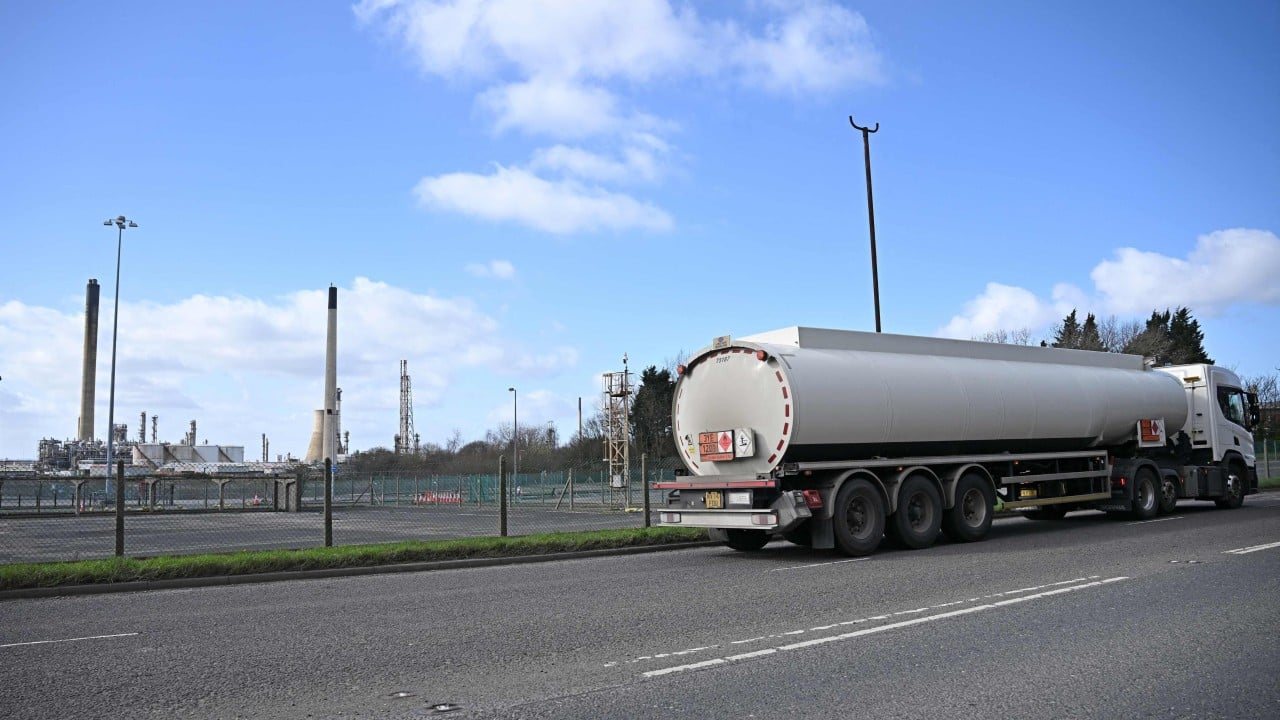
Germany and Japan are moving to unblock their emergency oil reserves as the G7 attempts to project a unified front against volatile global energy markets. While the official narrative frames this as a proactive measure to stabilize prices and ensure industrial continuity, the reality is a desperate scramble to mask systemic vulnerabilities in Western energy supply chains. This is not a display of strength. It is an admission that the traditional levers of diplomatic and economic influence are failing to keep pace with a fragmenting global order.
By releasing millions of barrels from the Strategic Petroleum Reserve (SPR), these nations hope to offset the supply shocks triggered by geopolitical friction in Eastern Europe and the Middle East. However, the math rarely works in the favor of the consumer over the long term. These reserves were designed for catastrophic physical disruptions—wars that sink tankers or natural disasters that level refineries—not as a price-control mechanism for a prolonged economic standoff.
The Illusion of Market Control
Market speculators see right through the press releases. When a government announces a reserve release, the immediate reaction is often a minor dip in crude futures, followed by a swift rebound once the physical volume of the release is quantified. The volumes currently being discussed by Berlin and Tokyo are a drop in the bucket compared to daily global consumption, which hovers around 102 million barrels.
The G7 claims they stand ready to act. This phrase has become a tired mantra in international summits, serving as a placeholder for actual policy. Acting in this context means draining "insurance" oil to provide temporary relief at the pump, a move that provides political cover for leaders facing domestic heat over inflation but does nothing to address the underlying lack of refining capacity or the shift away from reliable long-term supply contracts.
Why Germany is the Weakest Link
Germany’s industrial base is built on the assumption of cheap, piped energy. When that foundation crumbled, the country was forced to pivot to expensive, seaborne Liquefied Natural Gas (LNG) and a more frantic management of its oil stocks. The German decision to tap into its Federal Reserve for Oil and Petroleum Products (EBV) reflects a fear that the coming winter cycles will prove even more taxing than the last.
They are effectively burning their savings to pay the rent. Germany’s reliance on the Druzhba pipeline and its complex refinery ecosystem in the east means that even with a reserve release, the internal logistics of moving that oil to where it is needed most remains a nightmare. The pipes are there, but the right kind of crude often isn't.
Japan and the Pacific Security Dilemma
Tokyo faces a different set of pressures. As an island nation with virtually zero domestic production, Japan’s energy security is tied to the stability of the Malacca Strait and the Persian Gulf. For Japan, unblocking reserves is less about domestic inflation and more about signaling to Washington and London that it remains a disciplined member of the Western economic bloc.
Japan maintains one of the largest strategic stockpiles in the world, often exceeding 200 days of net imports. By tapping into this, they are signaling a shift in doctrine. Historically, Japan guarded these barrels with extreme jealousy. Using them now suggests that the Japanese government views the current geopolitical friction not as a temporary spike, but as a permanent shift in the cost of doing business.
The Problem of Refilling the Tank
The biggest flaw in the G7 strategy is the exit plan. Or rather, the lack of one. Every barrel sold today is a barrel that must be repurchased tomorrow. If the price of crude does not drop significantly—and there is little evidence that it will, given the production cuts from OPEC+—these nations will be forced to buy back their emergency supplies at a premium.
- Market Front-Running: Traders know exactly when these nations will need to refill their tanks, allowing them to bid up prices in anticipation.
- Quality Mismatch: The oil released is often "sweet" crude, but many refineries are configured for "sour" grades, leading to operational inefficiencies.
- Depleted Leverage: Once the reserves are lowered, the G7 loses its primary hedge against a true, unforeseen supply catastrophe.
The Broken Consensus of the G7
Behind the "ready to act" rhetoric lies a deep-seated disagreement on how to handle the transition to a post-carbon economy while maintaining current industrial output. The United States has been aggressive in using its SPR for political ends, much to the quiet chagrin of some European technocrats who view the reserve as a sacred tool for national defense, not a campaign tool for lowering gasoline prices.
Germany and Japan are caught in the middle. They lack the domestic production of the U.S. and the authoritarian control over supply held by the Gulf states. Their only move is to follow the leader, even if the leader is heading toward a period of significantly diminished energy reserves. This collective action is intended to spook the markets, but the markets are no longer easily spooked by Western bureaucracy.
The leverage has shifted to the producers. The G7 is playing a hand where most of the high cards have already been dealt to Riyadh and Moscow. By the time the reserves are unblocked and the oil hits the water, the fundamental deficit in global production will likely have already swallowed the gains.
The Logistic Nightmare of Mobilization
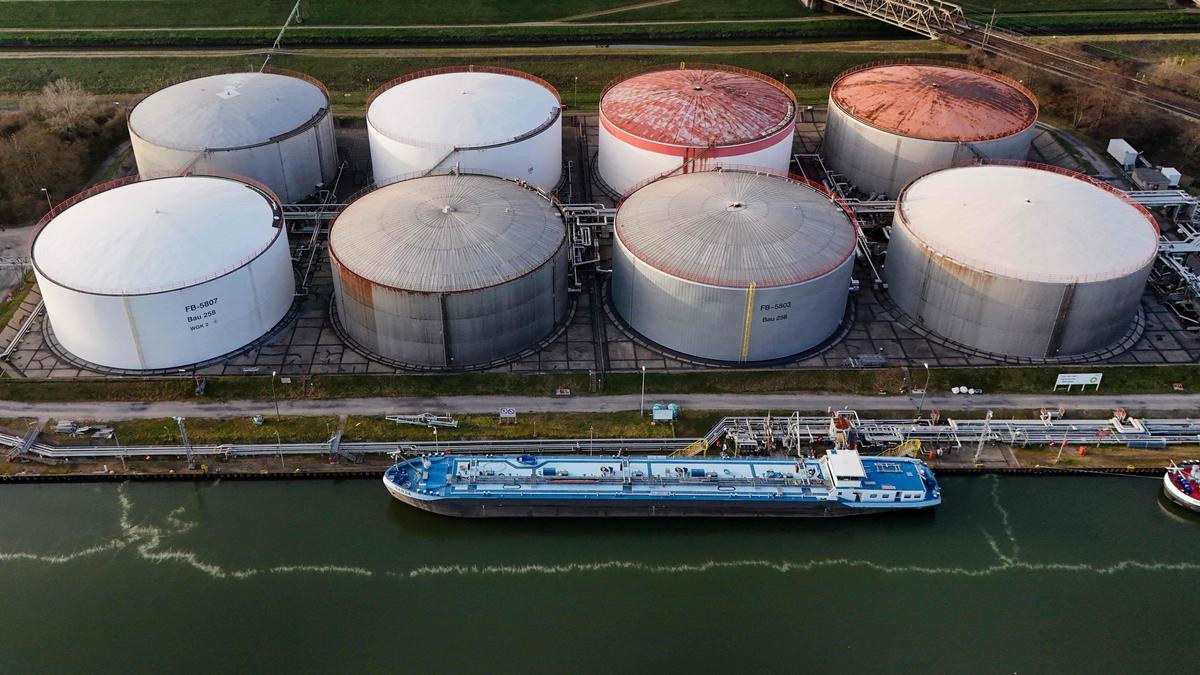
Unblocking oil is not as simple as turning a faucet. It involves complex legal triggers and physical limitations. In Japan, much of the reserve is held in massive offshore floating tanks or underground salt caverns. Moving this oil into the commercial stream requires tanker slots that are already in high demand and refinery schedules that are booked months in advance.
In Europe, the situation is further complicated by the "Green Deal" mandates. Investors are hesitant to pour money into the aging refinery infrastructure needed to process these emergency barrels because the long-term regulatory environment is hostile to fossil fuels. We are seeing a "scissors effect" where the need for emergency oil is rising just as the infrastructure to handle it is being phased out or starved of capital.
The Private Sector Response
Private oil majors are watching this government intervention with skepticism. When governments dump oil onto the market, it disincentivizes private companies from holding their own inventories. Why pay for storage when the government will provide a subsidized buffer? This leads to a dangerous "just-in-time" inventory model for a commodity that requires "just-in-case" planning.
If the G7 continues to use strategic reserves to manage prices, they will eventually find themselves as the only players left with any significant inventory. At that point, the "Strategic" part of the reserve becomes a misnomer. It becomes a state-run oil company of last resort, burdened by political mandates and unable to respond to real-world shortages.
Structural Realities vs. Political Optics
The hard truth is that you cannot drill your way out of a crisis with oil that has already been pumped and stored. The G7's current path avoids the difficult conversations about nuclear energy, long-term supply contracts, and the reality that the "energy transition" will be a decades-long, inflationary slog rather than a clean break from the past.
By the time the public realizes the reserves are being used to subsidize a failing status quo, the tanks will be half-empty and the prices will likely be higher. This is a game of buying time, but time is an increasingly expensive commodity. The G7 is betting that they can outlast the current geopolitical storm before the bottom of the barrel becomes visible. It is a high-stakes gamble with no clear backup plan.
Review your own energy exposure and stop relying on the "stability" promised by official communiqués.