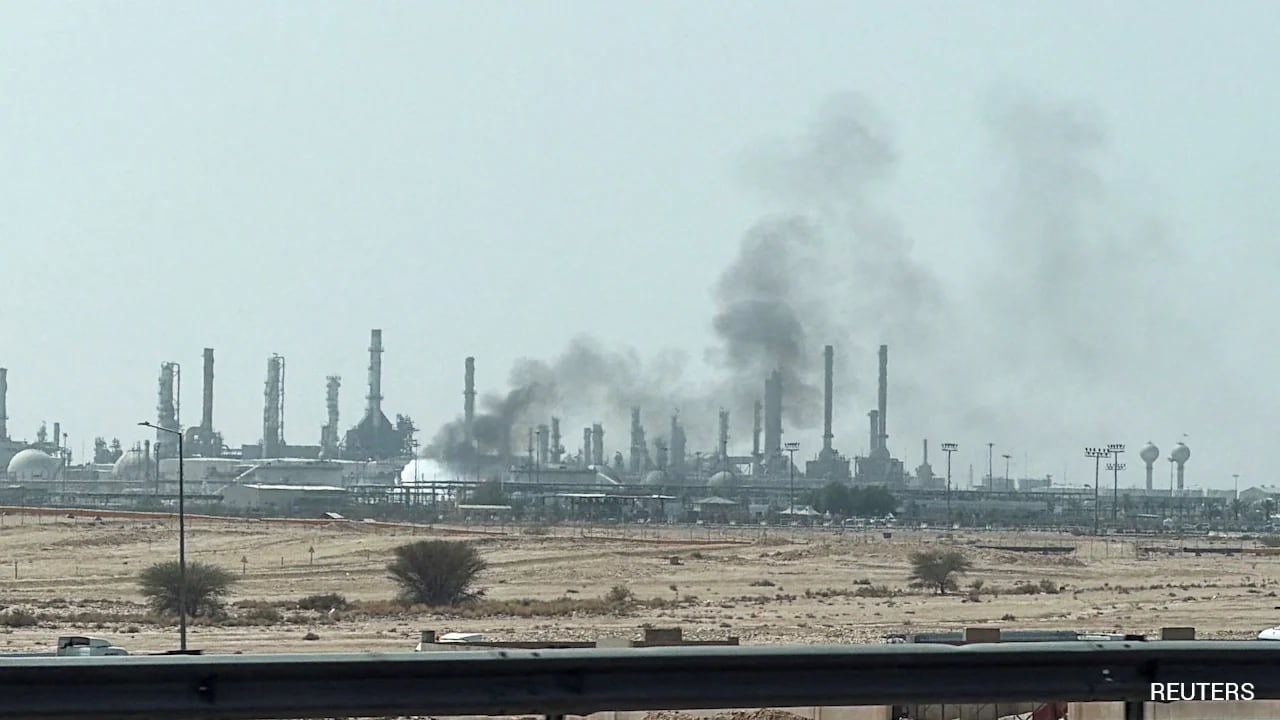
Geopolitical realignment rarely occurs through sudden structural breaks; instead, it unfolds through incremental friction points that compound until institutional mechanisms fail. The return of Saudi involvement in the Yemen theater highlights the vulnerabilities inherent in exit strategies driven by diplomatic expediency rather than sustainable security architecture. When regional actors attempt to disengage from protracted asymmetric engagements without resolving the foundational drivers of instability, they create a strategic vacuum that incentivizes adversarial maneuver and forces re-engagement under degraded conditions.
The Asymmetric Deterrence Problem
Traditional military doctrines rely on symmetric metrics of power projection, yet state actors engaging non-state militias face a fundamental asymmetry in cost functions. The Houthis operate with a lean resource expenditure model funded through localized taxation, asset appropriation, and external logistical conduits. Conversely, the coalition led by Riyadh bears a heavy economic and political overhead for every day of active operations or deterrence maintenance.
This asymmetry creates a structural trap. When kinetic operations pause, the opposing non-state actor does not disarm or negotiate from a position of systemic weakness; rather, they consolidate territorial gains, expand missile and drone manufacturing capabilities, and institutionalize war-economy networks. The cessation of offensive coalition operations, therefore, functions as an operational incubator for the adversary.
Three variables drive this dynamic:
- Resource Depletion Differential: The cost of defensive interceptors for modern air defense batteries vastly exceeds the manufacturing and deployment cost of low-tier loitering munitions.
- Institutional Persistence: Non-state networks are decentralized, absorbing leadership attrition and supply chain interruptions without organizational collapse.
- Strategic Patience: Insurgent forces operate on multi-year timelines, viewing diplomatic ceasefires as tactical pauses rather than permanent settlements.
Diplomatic Haste And The Credibility Void
Diplomacy requires credible enforcement mechanisms. When external actors signal an urgent political imperative to exit a conflict zone, they inadvertently telegraph a high tolerance for strategic compromise. This signaling alters the incentive structure for local proxies and adversaries alike.
Negotiations between Riyadh and Sanaa proceeded on the premise of bilateral normalization, bypassing fractured domestic Yemeni factions. While this approach aimed to secure immediate border security for the Kingdom, it destabilized the broader political ecosystem. By sidelining internationally recognized factions, the diplomatic track created a zero-sum reality where marginalized groups perceived accommodation between Riyadh and the Houthis as an existential threat to their survival.
The mechanics of this diplomatic breakdown involve two distinct failure modes:
- Exclusionary Bargaining: Bilateral talks ignored the core grievances and localized power centers across Southern and Eastern Yemen, ensuring that any peace agreement lacked internal domestic enforcement.
- Deterrence Decay: The public prioritization of de-escalation by Riyadh signaled to the adversary that military escalation carries diminishing retaliatory costs.
Consequently, when regional maritime trade faced kinetic disruptions in the Red Sea, the strategic architecture built on the prospective bilateral ceasefire collapsed. The Kingdom found itself pulled back into the operational matrix because localized security cannot be divorced from regional security interdependencies.
The Maritime Security Feedback Loop
Geopolitical isolation is impossible in an interconnected global supply chain. The escalation of maritime interdiction campaigns off the coast of Yemen demonstrated that regional conflicts possess structural externalities that bypass containment strategies.
When non-state actors leverage geographical chokepoints—such as the Bab el-Mandeb strait—to exert geopolitical leverage, external powers face immediate economic pressure. For Saudi Arabia, the calculus shifted from managing a localized southern border dispute to managing an internationalized crisis zone. The security of domestic economic diversification projects, such as Vision 2030 megacities along the Red Sea coast, depends entirely on maritime stability.
This creates a rigid strategic constraint. Any tolerance of hostile capabilities operating within striking distance of international shipping lanes directly threatens national economic infrastructure. The structural imperative to protect trade corridors overrides the diplomatic desire for disengagement, leaving kinetic intervention or active deterrence patrolling as the remaining operational options.
Operational Realignment And Future Risk Vectors
Re-entering an active theater after initiating withdrawal incurs compounding penalties. Command structures must be reconstituted, intelligence networks rebuilt, and alliance frameworks renegotiated under conditions of diminished trust.
To break this cycle of reversion, policy architecture must shift from episodic crisis management to structural containment. This requires anchoring deterrence on resilient, multi-layered defensive frameworks that minimize economic attrition while maintaining credible punitive options against asymmetric provocations. Without addressing the underlying economic viability of the non-state actor's war machine and integrating comprehensive domestic Yemeni security guarantees, tactical interventions will continue to yield cyclical operational relapses.