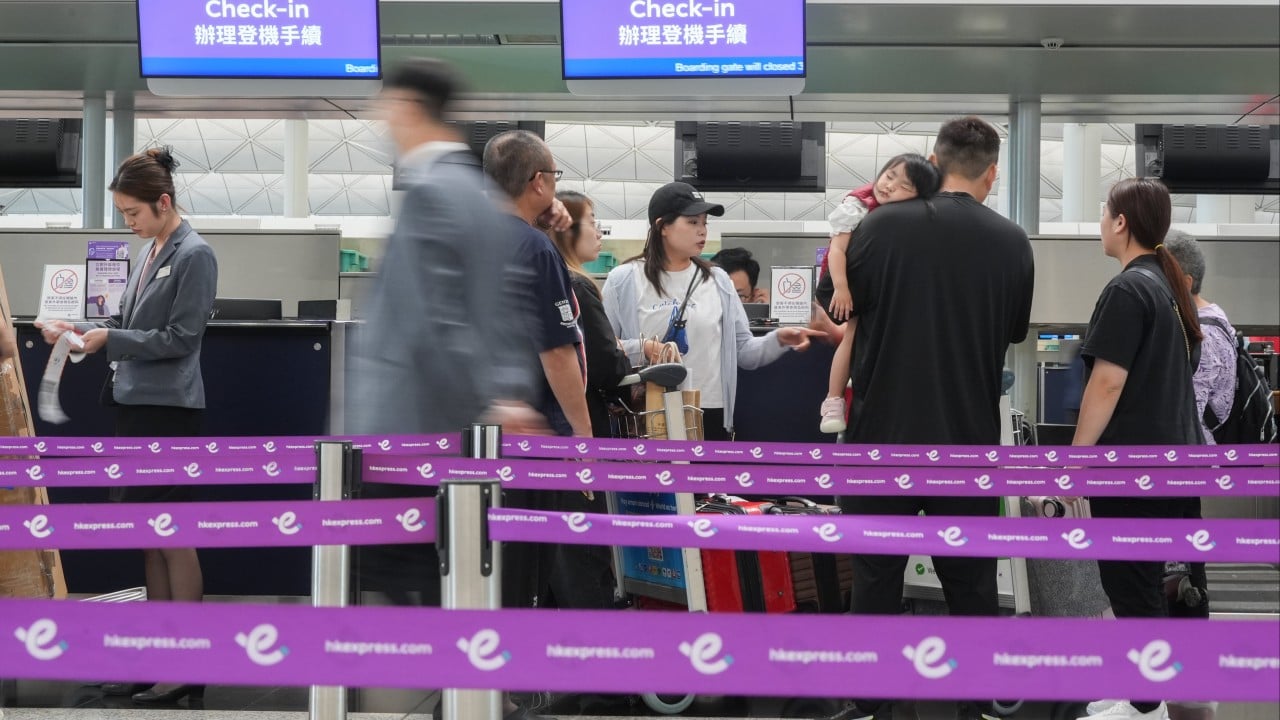
When a massive storm churns across the Pacific, flight schedules unravel fast. Super Typhoon Champi proved that exact point by forcing major carriers, including HK Express and Hong Kong Airlines, to axe numerous regional routes connecting Hong Kong to vital hubs in Taiwan and Japan. If you had a getaway planned to Taipei, Kaohsiung, or Okinawa, your itinerary likely hit a brick wall.
Weather disruptions of this scale are messy. Airlines don't cancel flights for fun—it costs them millions. But when sustained winds push past dangerous thresholds, safety protocols take over. Let's look at how the chaos unfolded and what you need to do if your travel plans are sitting in limbo. You might also find this related coverage interesting: A Snake Under a Cabin Carpet Is Not Your Biggest Flight Risk.
The Immediate Impact on Hong Kong Carriers
HK Express didn't wait around for the worst of the weather. The budget carrier pulled the plug on multiple connections, cutting off key routes between Hong Kong and Taipei while pushing several Taichung and Kaohsiung services into the weekend. Right alongside them, Hong Kong Airlines scrapped flights heading directly to Okinawa, leaving travelers scrambling for alternative arrangements.
Cathay Pacific stepped in with damage control, offering waiver policies allowing passengers booked on Taiwan routes to shift their travel dates penalty-free. Even so, the ripple effect hit regional aviation hard. Hundreds of flights across Japan Airlines and All Nippon Airways also vanished from departure boards as Champi tracked closer to East Asia. As reported in recent articles by Condé Nast Traveler, the implications are widespread.
Why Champi Sent Shockwaves Through Regional Aviation
Storm intensity dictates everything in modern aviation. Champi packed ferocious wind speeds, drawing concern from meteorological agencies across Hong Kong, Taiwan, and Japan. Because different forecasting centers use varying windows to calculate wind speed—such as the United States Joint Typhoon Warning Center relying on one-minute averages versus regional centers using ten-minute blocks—reported metrics varied wildly. No matter which scale you looked at, the sheer energy of the system made flying a structural hazard.
Airports in Taiwan faced sweeping schedule adjustments, with domestic services taking the hardest early hit before international corridors saw sweeping groundings. Ferry networks around Okinawa and Taiwan's outlying islands shut down completely, effectively cutting off maritime escape routes and leaving travelers entirely dependent on air transit that wasn't moving.
Dealing With Sudden Cancellations
Getting stranded overseas or stuck at home with a canceled ticket is frustrating. Airlines usually send automated texts or emails when a flight gets scrapped, but automated systems get overwhelmed during major typhoons. Checking the live status page of your carrier directly before leaving for the airport saves hours of wasted transit time.
If your airline issues a travel waiver, don't wait weeks to act. Rebooking windows open up fast, but seats on the first operational flights out fill within minutes. Keep your airline's mobile app downloaded, watch your inbox for reaccommodation notices, and remember that travel insurance policies often require formal proof of cancellation directly from the carrier to process claims for delayed accommodation.