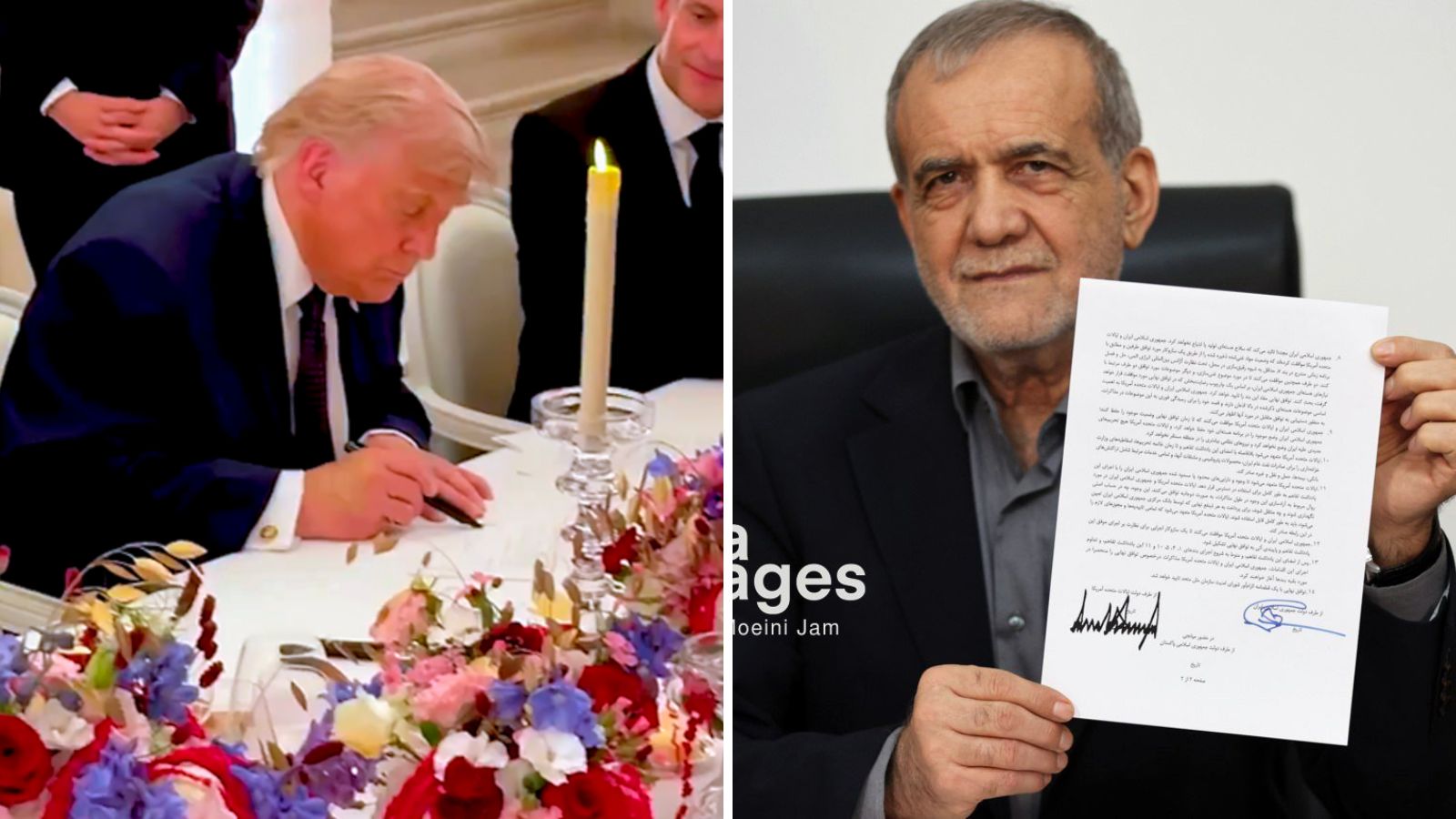
The international foreign policy establishment is hyperventilating over Switzerland.
Mainstream news outlets are running identical headlines claiming that the sudden postponement of the US-Iran bilateral talks in Geneva is a direct casualty of escalating violence in southern Lebanon. The narrative is neat, tragic, and entirely wrong. It suggests a fragile peace process shattered by external shocks, a classic case of regional spillover ruining good-faith diplomacy.
It is a comforting bedtime story for bureaucrats. It is also a complete inversion of reality.
The talks in Switzerland were not postponed because violence flared up in Lebanon. The violence in Lebanon flared up because the talks in Switzerland were already dead on arrival.
To understand why the mainstream consensus is fundamentally flawed, you have to look past the superficial timeline of the past forty-eight hours and examine the structural bankruptcy of the proposed grand bargain. Washington and Tehran did not pull back because they were distracted by cross-border rocket fire. They pulled back because both sides realized that the domestic political cost of sitting across from each other right now vastly outweighs any minor diplomatic concession they could realistically achieve. Lebanon was not the wrench in the gears; it was the convenient exit ramp both capitals desperately needed to save face.
The Flawed Premise of Regional Spillover
For decades, the prevailing academic theory on Middle Eastern diplomacy has relied on the concept of regional spillover—the idea that localized conflicts automatically expand outward and crush unrelated diplomatic tracks. This is the lazy analysis driving the current coverage.
Let's look at the mechanics of how these negotiations actually function. Diplomatic channels of this magnitude do not operate on fragile emotional impulses. Teams of career diplomats do not pack up their briefcases and leave Geneva just because a non-state proxy engages in a tactical escalation. If anything, historical precedent proves that intense kinetic conflict usually forces adversaries closer to the negotiating table to establish hard parameters and prevent total war.
Consider the 2015 Joint Comprehensive Plan of Action (JCPOA) negotiations. Throughout the multi-year process that led to that agreement, regional proxy conflicts were raging with extreme intensity across Syria, Yemen, and Iraq. Rockets were flying, covert assassinations were actively taking place, and yet the diplomats remained glued to their chairs in Vienna. Why? Because the core national security interests driving those talks were insulated from daily tactical shifts on the ground.
The current postponement is entirely different. It represents a fundamental misalignment of strategic incentives, not a logistical disruption caused by regional instability.
The Reality of the Geneva Deadlock
I have spent years analyzing the back-channel communication loops between Washington, Tehran, and the European intermediaries who facilitate these summits. The script rarely changes, but the public willingness to believe the hype never ceases to amaze me.
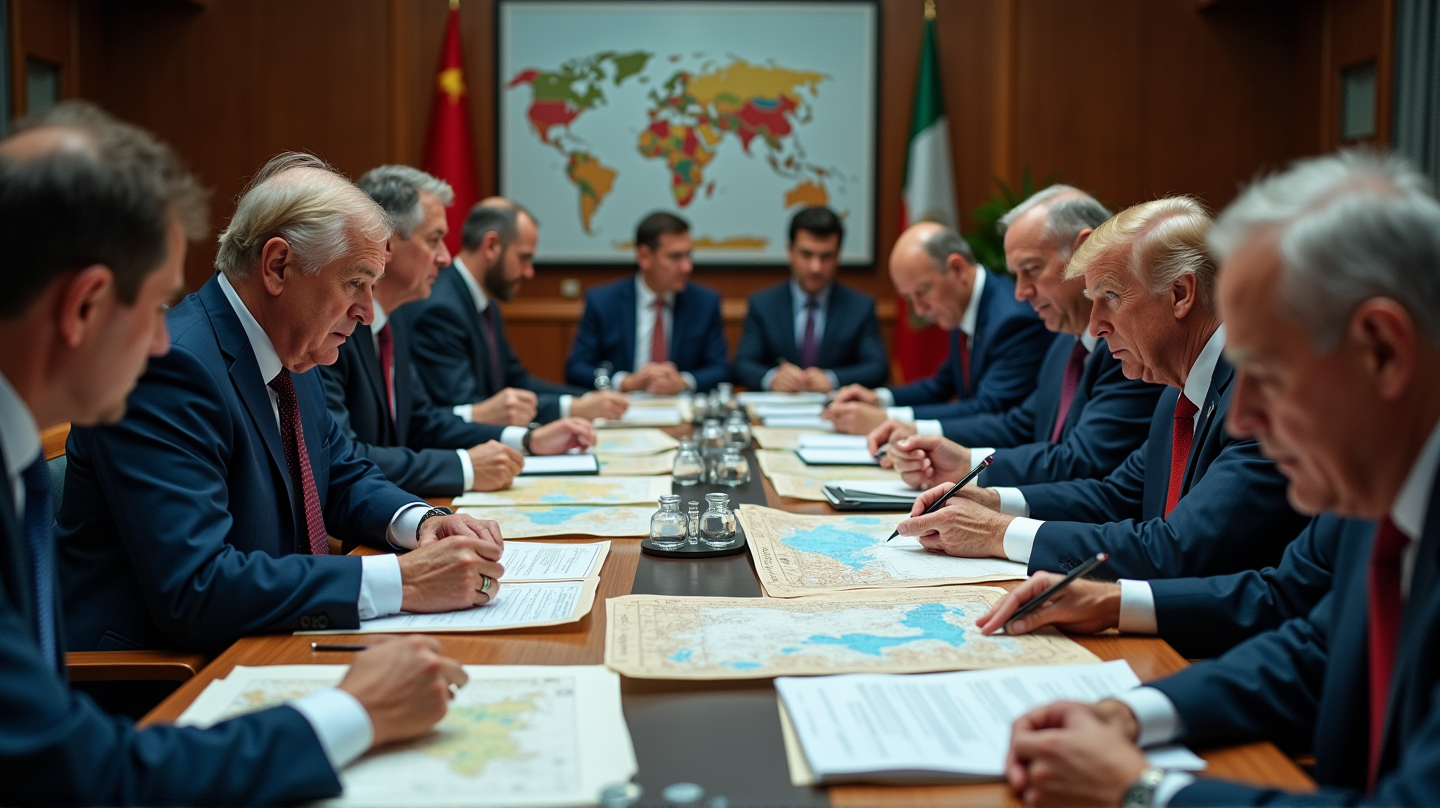
The reality behind closed doors in Geneva was a structural stalemate that no amount of Swiss hospitality could resolve. The US delegation arrived with a mandate heavily constrained by an upcoming election cycle, unable to offer any meaningful, permanent sanctions relief without triggering severe domestic political backlash. Conversely, the Iranian delegation was operating under strict directives from the Supreme National Security Council, forbidden from making upfront concessions on their uranium enrichment levels or ballistic missile telemetry without guaranteed, legally binding economic normalization from the West.
Neither side could give the other what they actually required to survive politically at home.
Imagine a scenario where the talks had proceeded this week despite the gridlock. Both delegations would have sat in a room, reiterated their maximalist positions, and walked out to a barrage of press questions demanding to know why no progress was made. For the White House, a public failure in Geneva signals weakness to domestic hawks. For Tehran, an unproductive summit with the "Great Satan" fuels hardliner arguments that engagement with the West is a sucker's game.
Then came the escalation in Lebanon.
Suddenly, a perfect geopolitical alibi materialized. By pointing to the active hostilities, both administrations could gracefully exit the room without admitting that their own negotiating positions were totally irreconcilable. The postponement allows Washington to look like a responsible global actor pausing to address an active crisis, while allowing Iran to signal solidarity with its regional partners without having to explain why its economic team is returning home empty-handed.
The Friction of the Alternative
The contrarian view is not without its analytical risks. To argue that Lebanon is a convenient excuse rather than a root cause requires acknowledging a bitter truth: if this thesis is correct, it means the entire architecture of modern US-Iran diplomacy is fundamentally hollow. It means that both nations are engaged in a theater of negotiation rather than actual statecraft.
The downside to accepting this reality is that it strips away the hope of a quick diplomatic fix. It forces us to admit that tension is the default state of affairs, and that summits are often used as instruments of public relations rather than venues for conflict resolution. But pretending that an external conflict ruined a perfectly good peace deal is a dangerous delusion that prevents analysts from diagnosing the real disease: a total absence of shared strategic interests.
Redefining the Question
The public keeps asking: When will the violence subside so the peace talks can resume?
This is completely the wrong question. The correct question is: Why do we continue to treat proxy escalations as accidental disruptions rather than deliberate instruments of diplomatic leverage?
When a state actor or its aligned network increases kinetic pressure on the eve of a summit, it is rarely an act of blind rage. It is a calculated move designed to alter the balance of power inside the negotiating room. By treating these escalations as external anomalies that "threaten" peace, the media plays right into the hands of the strategists who deploy them.
Stop looking at Switzerland as a missed opportunity for peace. Start looking at it for what it actually is: a highly coordinated, mutually beneficial pause button pressed by two governments that ran out of things to say to each other.
The next time a major diplomatic summit is abruptly postponed due to a sudden outbreak of regional violence, do not look at the rockets. Look at the balance sheets of the negotiators. Look at the political vulnerability of the leaders involved. You will quickly realize that the theater on the ground is merely a distraction from the bankruptcy of the ideas inside the room.
The peace deal wasn't broken by the violence. The violence was unleashed because the peace deal was already a ghost. Turn off the cable news analysis, stop tracking the flights to Geneva, and accept that the table was never actually set.