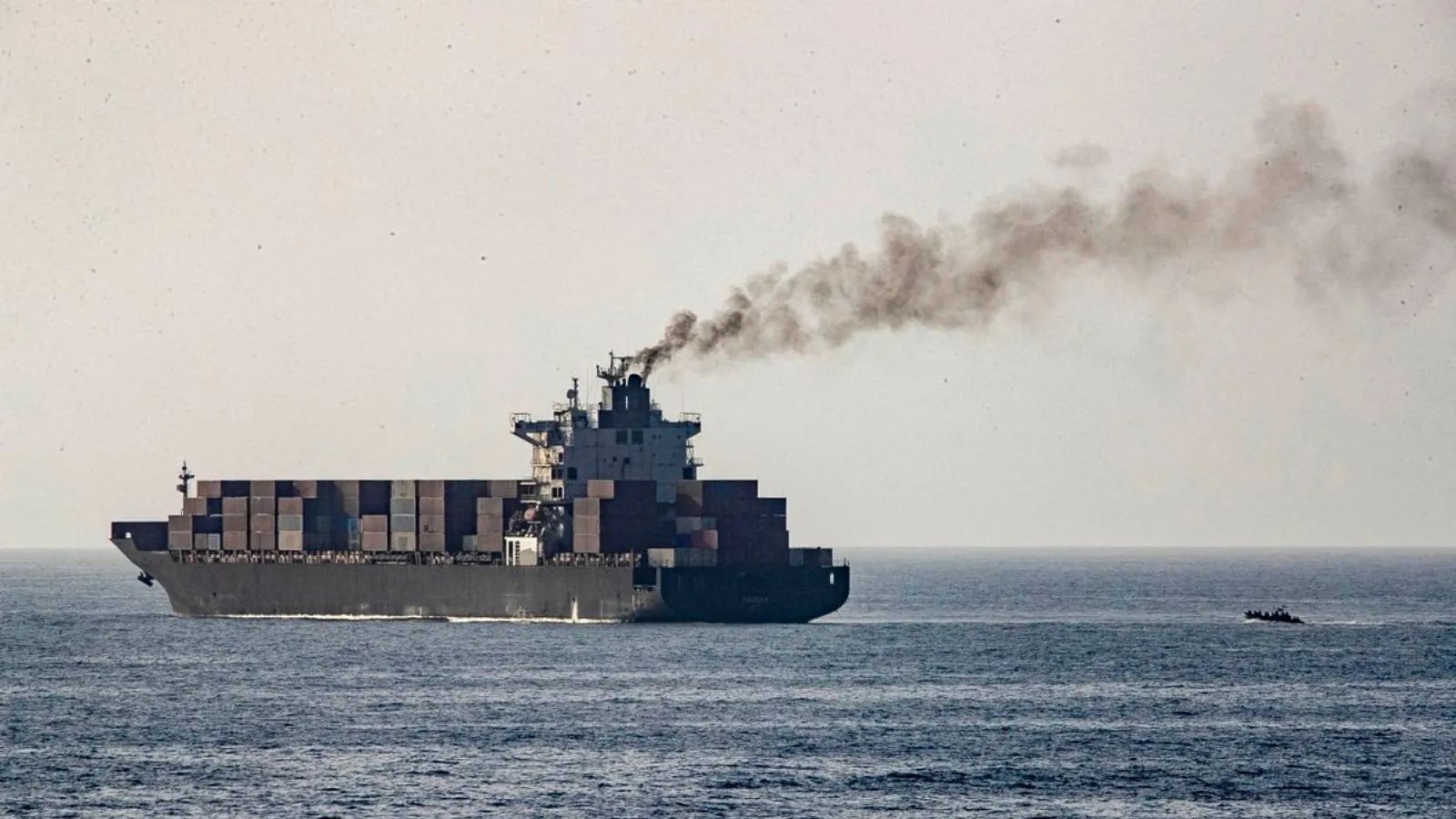
Mainstream foreign policy analysts love a good panic. Every time a drone clips a tanker in the Strait of Hormuz or an sea mine leaves a scorch mark on a hull, the editorial boards fire up the same predictable narrative. They tell you we are on the precipice. They claim two desperate nations are pulling each other toward total war. They scream that the global economy is one miscalculation away from absolute ruin.
It is a terrifying story. It is also completely wrong.
The lazy consensus ignores a fundamental reality of modern geopolitics: neither Washington nor Tehran can afford a hot war, and both sides know it. The theatrical skirmishes in the Gulf are not a prelude to conflict. They are a highly coordinated, high-stakes substitute for it.
I have spent years analyzing maritime risk and trade flows. I have watched boards of directors panic over insurance premiums while naval commanders quietly shrug. The reality on the water looks nothing like the breathless commentary on cable news. The "edge of war" is a carefully manufactured myth that serves the domestic political needs of both regimes.
The Economics of the Mirage
The core argument of the panic-mongers relies on a flawed understanding of how global energy markets and military logistics intersect. They see a tanker attack and immediately calculate the shortest line to World War III.
Let us break down the actual mechanics of what happens when a commercial vessel takes damage in the Gulf.
- The Insurance Reality: Marine underwriting operates on cold math, not panic. When a risk profile rises, Joint War Committee areas are adjusted. Hull War premiums spike. Shipping companies complain, pass the cost down the line, and alter their routing by a few nautical miles. It is a line-item expense, not an existential crisis.
- The Symmetrical Deterrence: Iran’s military strategy is built on asymmetric denial, not victory. They cannot match a US carrier strike group in an open engagement, and their leadership understands this perfectly. Conversely, the US military is fully aware that a kinetic campaign against Iran would require a multi-year occupation that would make the post-2003 Iraq campaign look like a minor logistical exercise.
- The Energy Paradox: A true disruption of the Strait of Hormuz hurts Iran’s primary customers—chiefly China—far more than it hurts the West. Tehran is not going to permanently choke off its own economic lifeline to spite Washington.
The media looks at these incidents and asks, "When will the shooting start?" The correct question is, "Who benefits from keeping the tension exactly at this level?"
Dismantling the Escalation Ladder
The traditional foreign policy establishment relies on a concept called the escalation ladder. The theory goes that Action A forces Reaction B, which triggers Response C, until someone accidentally presses the red button.
This model assumes the actors are irrational or blind. They are neither.
A Lesson from the Cold War: True brinkmanship requires predictable boundaries. When both sides understand the exact limits of the opponent's tolerance, they can dance right up to the edge without ever falling over.
Imagine a scenario where a rogue commander actually sinks a supertanker, causing a massive environmental disaster and halting all traffic through the strait. The immediate assumption is total war. The institutional reality? Both capitals would immediately deploy backchannel communications via Switzerland or Oman to decouple the incident from their central commands.
We saw this play out clearly in recent years. Drones were shot down, intelligence vessels were struck, and top military commanders were assassinated. By the logic of the mainstream commentators, war should have broken out a dozen times over. Instead, we got calibrated, telegraphed counter-strikes designed specifically to minimize casualties while maximizing domestic propaganda value.
The Real Winner of Maritime Instability
If the threat of war is hollow, why do we keep seeing these two-day cycles of panic? Follow the money and the domestic political incentives.
For Tehran, a perpetual state of low-level friction justifies the internal security apparatus and keeps the hardliners in power. It allows the regime to blame Western sanctions for structural economic failures.
For Washington, the specter of an aggressive Iran keeps Gulf allies buying billions in American defense hardware. It justifies a massive naval footprint in the region and provides a convenient narrative for politicians looking to project strength without deploying boots on the ground.
+------------------------+----------------------------------+----------------------------------+
| Actor                  | Public Stance                    | Actual Strategic Objective       |
+------------------------+----------------------------------+----------------------------------+
| United States          | Protecting Freedom of Navigation | Maintaining Regional Hegemony    |
| Iran                   | Defending Sovereign Waters       | Sanctions Relief & Regime Survival|
| Global Energy Markets  | High Panic / Pricing Volatility | Pricing in Known Geopolitical Risk|
+------------------------+----------------------------------+----------------------------------+
The downside to calling out this theater is obvious: you get accused of downplaying real risks. Yes, sailors face danger. Yes, ordnance is real. But confusing tactical skirmishes with grand strategic intent is an amateur mistake.
Stop analyzing the Middle East through the lens of a 1914 stumble into war. The actors today are calculating, cynical, and deeply committed to their own survival. They do not want a war, they cannot sustain a war, and they will not start one.
Stop buying the panic. The cycle of tension is not a breakdown of the system; it is the system working exactly as intended.