Managing pediatric heat stress requires moving beyond superficial advice like "stay hydrated" or "wear a hat." The physiological mechanics of children differ fundamentally from adults, creating specific operational vulnerabilities during high-temperature events. Because children possess a higher surface-area-to-mass ratio, they absorb environmental heat much faster than adults. Simultaneously, their sweating capacity is significantly lower, which limits their primary method of cooling: evaporation.
To systematically protect pediatric demographics during extreme heat, heat mitigation must be broken down into three distinct operational pillars: environmental shielding, physiological optimization, and behavioral architecture.
The Tri-Pillar Framework for Pediatric Heat Mitigation
Effective heat management treats the child and their immediate surroundings as an integrated thermal system. Relying on a single intervention introduces points of failure.
Pillar 1: Environmental Shielding (Microclimate Engineering)
The primary objective is to minimize radiative and conductive heat transfer from the external environment to the child.
- Radiative Barrier Optimization: Sunlight transferring through window glass creates a greenhouse effect, rapidly raising indoor temperatures. Direct solar gain can be mitigated by deploying external shading or reflective, light-colored internal blinds. Standard dark curtains often absorb heat and radiate it back into the room.
- Conductive Decoupling: Air conditioning remains the most effective tool for lowering ambient temperature, but when unavailable, airflow mechanics must be optimized. Electric fans do not cool the air; they speed up evaporation from the skin. However, when ambient room temperatures exceed 35°C (95°F), fans can actually accelerate heat absorption through convection, acting like a convection oven. In these scenarios, fans should be used to pull cooler air into the space from shaded areas rather than blowing hot air directly onto the body.
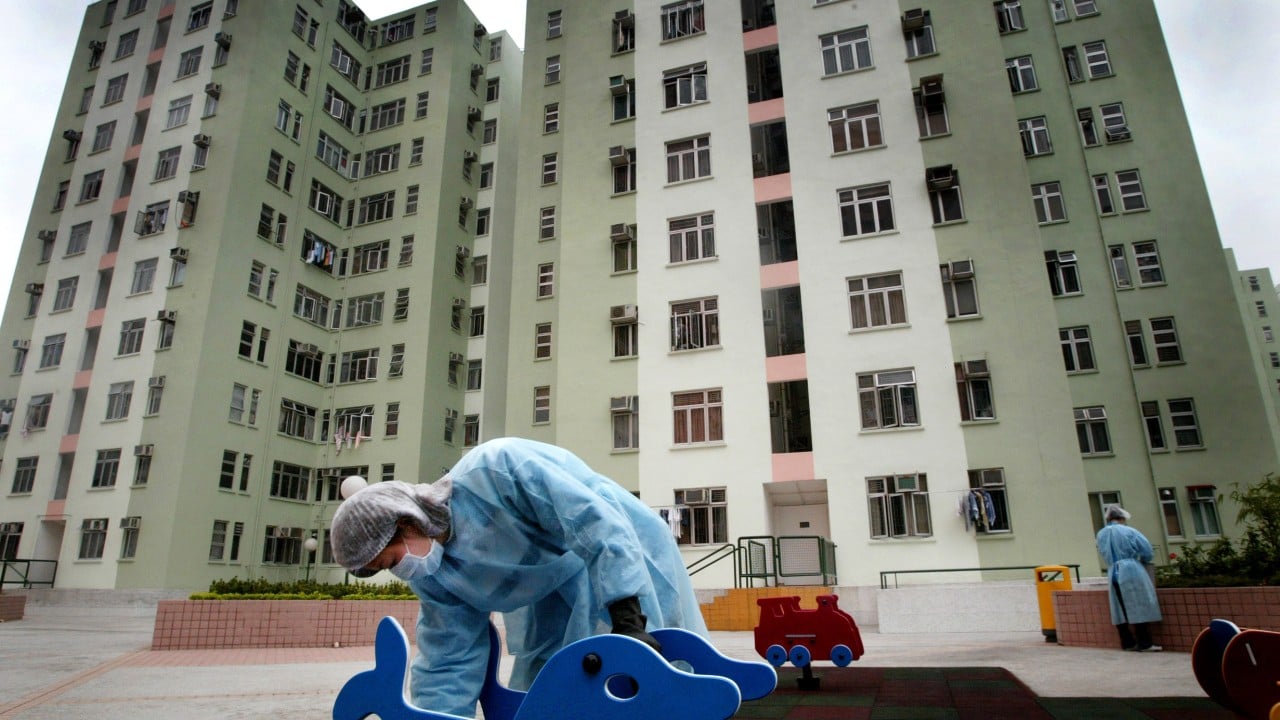
- Thermal Mass Management: Keep children off high-heat-capacity surfaces like asphalt, concrete, or synthetic playground turf. These materials absorb solar radiation and store thermal energy, reaching temperatures up to 30°C higher than the surrounding air. This poses a severe burn risk and elevates the microclimate temperature right where a child breathes and plays.
Pillar 2: Physiological Optimization (Fluid and Thermal Dynamics)
Maintaining the body's internal core temperature requires precise fluid management and strategic external cooling mechanisms.
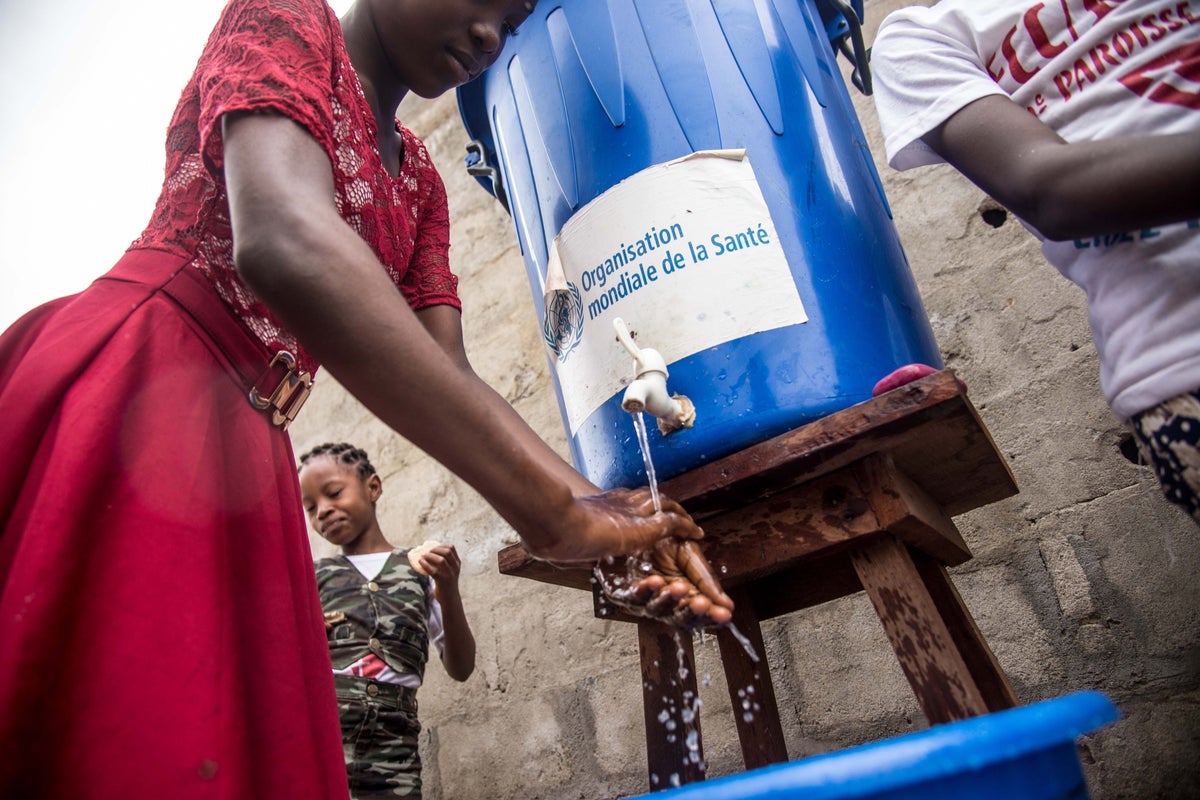
- The Hydration Schedule: Children frequently fail to recognize the early signs of dehydration, meaning thirst is a lagging indicator. Fluid intake must be managed on a strict schedule rather than relying on a child’s voluntary demand. For infants, this means increasing the frequency of breast or formula feedings, as water should not be introduced prematurely due to the risk of oral water intoxication and electrolyte dilution. For older children, a baseline intake of 100–150 ml of water every 20 minutes during active periods is required.
- Electrolyte Homeostasis: Pure water is sufficient for moderate exposure, but prolonged heat or high activity levels deplete essential sodium and potassium. Introducing diluted electrolyte solutions or water-dense whole foods (such as cucumber or watermelon) maintains the osmotic balance necessary for cellular function. Avoid highly sugared sports drinks, as high glucose concentrations can delay gastric emptying and worsen dehydration through osmotic diuresis.
- Conductive Cooling Interventions: When metabolic heat production outpaces evaporative cooling, direct conductive cooling is necessary. Applying cool, damp cloths to high-vascularity zones—specifically the axillae (armpits), groin, and neck—speeds up heat transfer away from the core blood supply. Tepid water baths are highly effective, but ice-cold water must be avoided; extreme cold triggers peripheral vasoconstriction, trapping heat inside the body's core and defeating the purpose of the bath.
Pillar 3: Behavioral Architecture (Activity and Apparel Scheduling)
Modifying behaviors and clothing choices removes the root causes of metabolic heat generation.
- Metabolic Heat Suppression: Physical exertion generates substantial internal metabolic heat. Activities must be shifted away from peak solar radiation windows (typically 11:00 AM to 4:00 PM). Restricting high-intensity movement to the early morning reduces the cumulative thermal load on the body.
- Textile Physics: Clothing must act as a vapor-permeable barrier. Tight-fitting or synthetic fabrics like polyester trap a layer of hot, humid air against the skin, neutralizing the body's natural evaporative cooling. Loose-fitting, light-colored garments made from tightly woven natural fibers (like cotton or linen) protect against UV radiation while allowing air to circulate and sweat to evaporate.
Identifying and Quantifying Thermal Vulnerability
Executing this framework requires a clear understanding of the progression from mild thermal strain to acute medical crises. Heat illness operates on a predictable continuum.
| Clinical Stage | Primary Physiological Mechanism | Observable Metrics / Manifestations | Immediate Operational Response |
|---|---|---|---|
| Heat Cramps | Acute sodium and fluid depletion via sweating during exertion. | Involuntary muscle spasms, typically in calves or abdomen; mild irritability. | Cessation of activity; administration of oral rehydration salts; relocation to shade. |
| Heat Exhaustion | Inability of the cardiovascular system to meet the demands of peripheral pooling and core cooling. | Profuse sweating; cool, clammy skin; nausea; dizziness; tachycardia. | Active conductive cooling (tepid wiping); elevation of lower extremities; rapid fluid replacement. |
| Heat Stroke | Complete failure of the central thermoregulatory mechanism; core temperature exceeds 40°C ($104^\circ\text{F}$). | Altered mental state; confusion; hot, dry skin (or paradoxically sweating); unconsciousness. | Emergency medical activation; aggressive, continuous whole-body cooling via damp sheets and fans. |
A common point of failure in identifying heat stroke is expecting the skin to be dry. In children, sweat production may continue even after the core thermoregulatory systems have failed. Any alteration in cognitive function, lethargy, or extreme irritability during high heat exposure must be treated as a medical emergency.
Structural Constraints and System Limitations
While the strategies outlined above are grounded in thermal physics, implementing them comes with real-world limitations:
The first limitation is structural housing inequality. Families living in multi-story urban concrete buildings or top-floor apartments without central HVAC face compounding thermal retention. In these environments, indoor temperatures can remain dangerously high long after sundown because the building's infrastructure absorbs and holds heat.
The second limitation is air quality trade-offs. Extreme heat events often coincide with high stagnant air masses, ground-level ozone spikes, or wildfire smoke. Opening windows to create cross-ventilation can introduce hazardous particulate matter ($PM_{2.5}$) into the home, forcing a difficult trade-off between thermal management and respiratory health.
The Operational Playbook for Extreme Heat Events
To operationalize these principles effectively, shift from a reactive posture to a proactive schedule based on local meteorological data.
Monitor the Wet-Bulb Globe Temperature (WBGT) rather than the standard ambient temperature reading. WBGT factors in humidity, wind speed, and solar radiation, providing a much more accurate measurement of true environmental heat stress on the human body. When the WBGT exceeds 29°C (84°F), outdoor physical activity for children should be heavily restricted. If it breaches 32°C (90°F), outdoor exposure must be suspended entirely.
Pre-cool living spaces during the early morning hours by utilizing forced ventilation to draw in cooler outside air, then seal the envelope (windows, blinds, and doors) before ambient outdoor temperatures surpass indoor levels. Shift meals to cold options to eliminate internal heat generation from stoves and ovens. Finally, establish a mandatory hydration log for young children; relying on memory or ad-hoc requests consistently results in a net fluid deficit by late afternoon.