Every time a Washington strategist decides to posture over cross-border commerce, some pundit reaches for the lowest-hanging fruit in the orchard. They write about hockey sticks, maple syrup, or aluminum tariffs as if international supply chains operated like a high school locker room prank. The lazy consensus says you test Canada's resolve by picking symbolic fights, squeezing cultural touchstones, and treating a sovereign G7 economy like a stubborn teenager refusing to eat broccoli.
It is kindergarten geopolitics. And it completely misunderstands how North American integration actually functions.
I have spent two decades watching executives and policymakers fumble trade negotiations because they treat industrial interdependence like a reality television show. They want a viral moment, a soundbite where a minister looks rattled on camera, a headline declaring dominance. Meanwhile, the real machinery of cross-border commerce hums along underneath their noise, quietly pricing in the cost of political incompetence.
Let us dismantle the core delusion: the idea that Canada is uniquely vulnerable to targeted American economic coercion because of export concentration.
The Myth of Asymmetric Vulnerability
The standard playbook argues that since the vast majority of Canadian exports head south of the border, Washington holds all the cards. If a trade war flares up, the argument goes, Ottawa will eventually fold under the pressure of localized pain in Ontario and Quebec.
This view relies on static math that ignores dynamic realities. Modern manufacturing does not respect national boundaries. When you slap a punitive tariff on a Canadian component, you are rarely punishing a foreign adversary; you are taxing your own assembly line halfway through production.
Take the automotive sector. An engine block crosses the Detroit River multiple times before a vehicle ever rolls off a lot in Ohio. When politicians threaten disruptive tariffs or export restrictions over peripheral disputes, they are throwing sand into the gearbox of their own domestic industries. The supply chain does not care about national pride. It cares about velocity, margin, and predictability. When you introduce political volatility, you do not force submission. You force companies to diversify their risk, build redundancy elsewhere, and permanently reroute capital away from the United States.
I have watched corporate supply chain directors quietly rewrite five-year sourcing strategies over a single weekend because a trade threat made domestic procurement look too risky. Once those alternative channels are built, they do not come back just because an administration changes.
The Cultural Fallacy
Targeting cultural or symbolic exports like hockey sticks, lumber, or regional delicacies is worse than bad economics. It is a tactical blunder that unites a notoriously fractargmented population against a common external threat.
Canada is a country defined by regional friction. Alberta and Quebec spend half their time glaring at Ottawa over energy policy and federal overreach. If you want to see federalists and separatists lock arms and sing songs of unity, the fastest method is for an American politician to threaten their economic sovereignty over a domestic dispute.
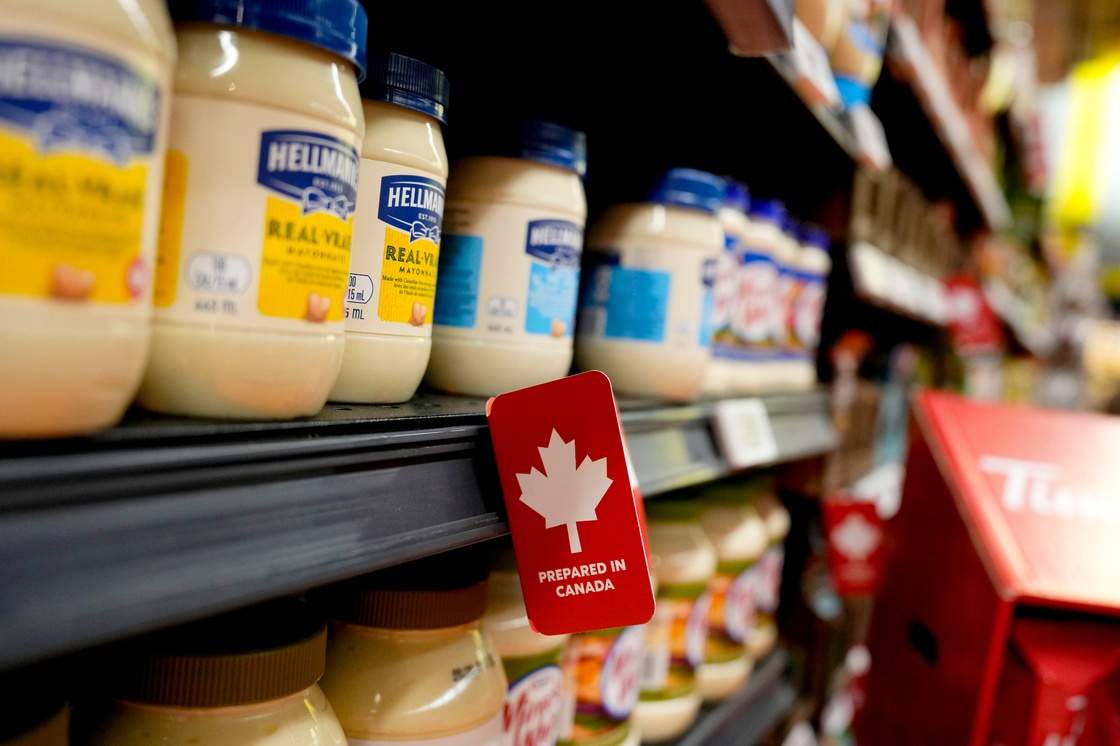
National identity in Canada is largely forged in quiet defiance of American cultural gravity. When trade disputes are framed around national symbols, ordinary citizens take it personally. Consumer boycotts do not require government decrees; they happen organically in grocery stores and hardware chains from Vancouver to St. John's. The economic damage inflicted by grassroots resistance always outweighs any short-term negotiating leverage gained in a Washington boardroom.
The Real Leverage Points Nobody Talks About
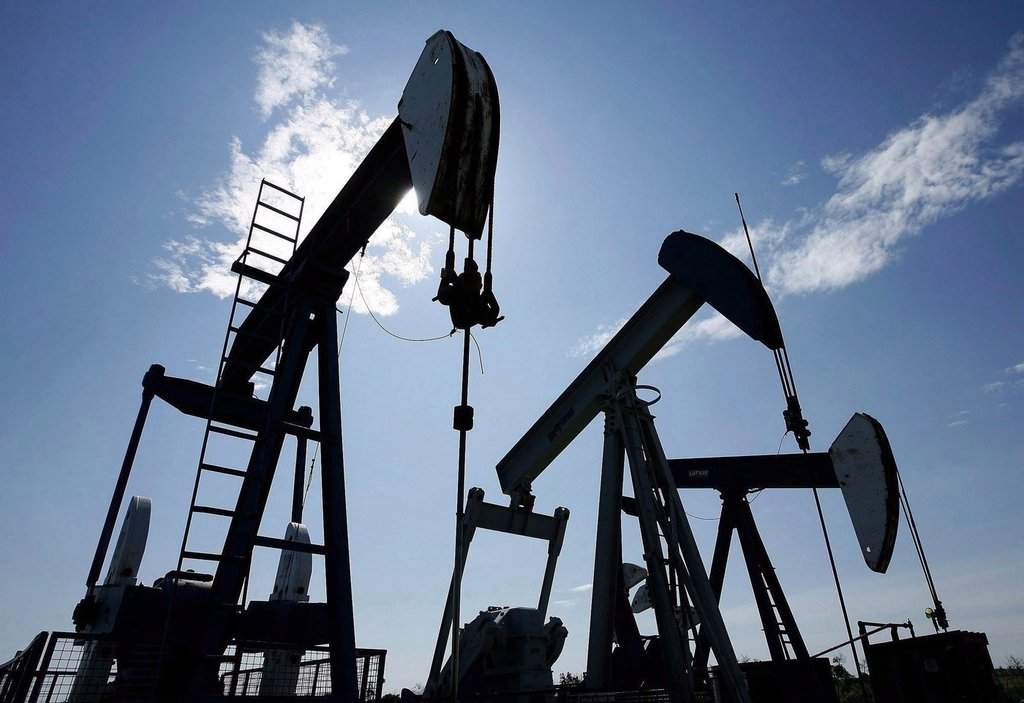
If you want to understand where economic power actually resides in the northern trade corridor, look past the retail goods and consumer products. Look at critical minerals, energy grids, and aerospace technology.
Canada supplies a massive share of the uranium powering American nuclear reactors, the potash keeping Midwestern agriculture productive, and the aluminum essential for aerospace and defense manufacturing. These are not items you easily substitute with domestic production next Tuesday. Opening new mines, permitting processing facilities, and building refining infrastructure takes decades, not election cycles.
When trade hawks threaten economic warfare, they treat these foundational inputs as infinite, free resources. They assume the tap will always stay open because geography dictates proximity. But geography is not a guarantee of compliance. It is simply a shared address. If the cost of doing business with a volatile partner exceeds the cost of political friction, alternative trading blocs form. We are already seeing Pacific and European markets quietly absorbing resources that used to be locked into exclusive continental arrangements.
What Washington Gets Wrong About Leverage
Real leverage is never loud. The most effective negotiators do not threaten cultural icons or pick fights over hockey equipment. They build durable frameworks that make defection too expensive for both sides.
When you rely on threats, you back your counterpart into a corner where capitulation carries a higher political cost than resistance. No Canadian prime minister can survive looking like an American vassal, regardless of party. By turning a trade disagreement into a test of national manhood, you guarantee that compromise becomes politically toxic.
The next time an advisor suggests testing resolve with blunt-force tariffs or targeted industrial pinpricks, look at the balance sheets of the companies footing the bill. You are not leaning on a foreign rival. You are taxing your own voters to fund a theatrical display of strength that accomplishes nothing except accelerating the fragmentation of the world's most integrated economic zone.
Stop trying to bully the neighborhood. Fix your own supply chains, secure your own resource pipelines, and realize that mutual prosperity requires actual partnership, not a permanent state of economic brinkmanship.