Twin waterspouts dragged themselves out of the Mediterranean Sea on an October morning and slammed directly into western Sicily, turning quiet coastal streets into disaster zones. If you still think violent tornadoes are strictly an American Midwestern phenomenon, the wreckage in Marsala and Petrosino just shattered that illusion.
Dozens of people sustained injuries, historic structures crumbled, and a local school packed with hundreds of children took a direct hit. This wasn't a minor gust of wind. It was a violent display of meteorological fury that caught residents completely off guard as massive funnel clouds marched ashore. You might also find this connected coverage interesting: What a Tiny Dinosaur Eating an Apex Predator Changes About Prehistory.
The Chaos in Marsala and Petrosino
When the storm made landfall, the warning window shrank to mere minutes. Residents watched in horror as twin waterspouts transitioned from sea to land, tearing across western Sicily with terrifying velocity.
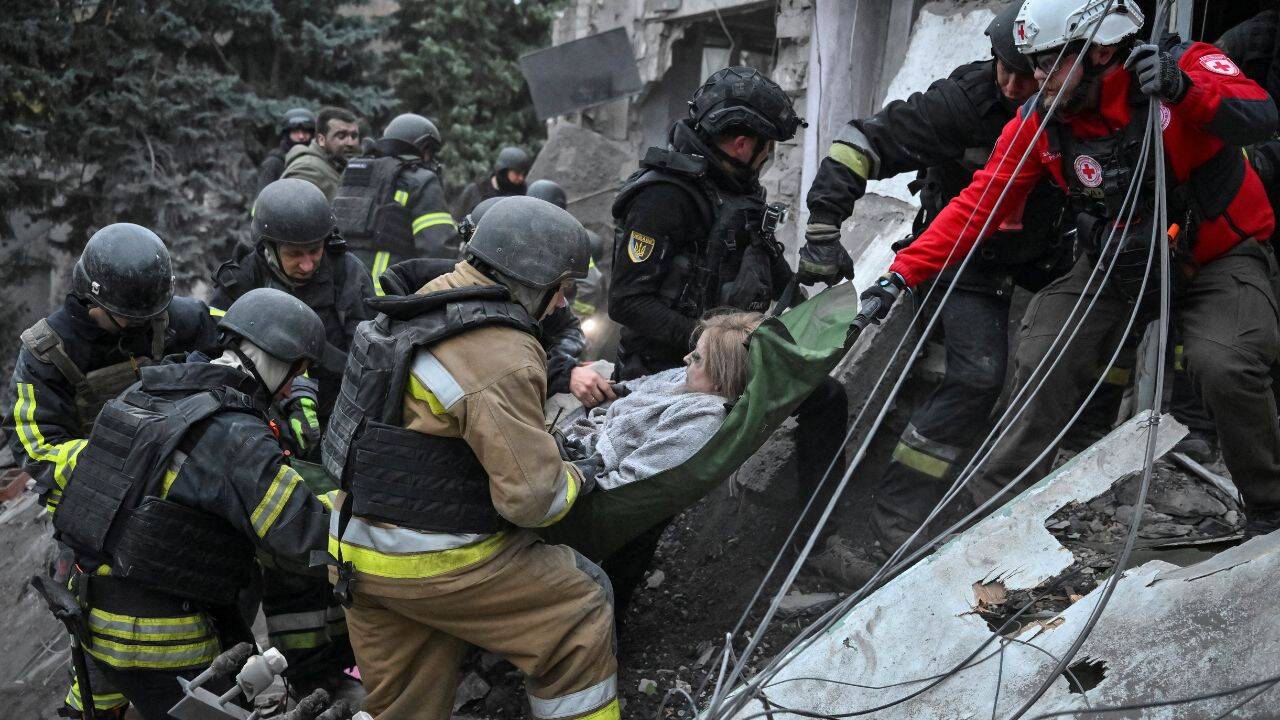
Cars were tossed into ravines like toys. Homes lost their roofs, and families were forced into immediate evacuation. The most harrowing moment involved a local school where over 270 pupils were sitting in class when the winds struck. While emergency responders managed to avert a mass tragedy, the building suffered catastrophic structural damage, leaving a community scrambling to find alternative classrooms for displaced children. As extensively documented in detailed articles by The Guardian, the implications are notable.
Trapani Mayor Giacomo Tranchida and local officials rushed emergency services to the hardest-hit zones as hospital admissions climbed. Several individuals, including young children and a married couple trapped inside their vehicle, required urgent hospital care for serious injuries.
Why Mediterranean Tornadoes Are Spiking
Most travelers picture Sicily as a sun-drenched paradise of ancient ruins and pristine beaches. They don't picture EF-scale destruction. But the geography of extreme weather is shifting rapidly.
Scientists point directly to record-breaking sea surface temperatures across the Mediterranean following intense summer heatwaves. Warm water acts like rocket fuel for storms. When heavy, moisture-laden marine air crashes against cooler continental air masses, the atmospheric instability creates an ideal breeding ground for violent convective systems.
Italy's Civil Protection Service had issued warnings earlier in the season, noting that prolonged heat accumulation would likely trigger severe autumn storms. Even so, the sheer intensity of the Marsala tornadoes caught many off guard. Waterspouts are common along Italian coasts, but ones that pack enough punch to level masonry, wreck schools, and toss vehicles off highways represent a terrifying escalation.
Preparing for the New Normal
We are watching climate patterns break historical baselines in real-time. What happened in Sicily mirrors extreme weather anomalies hitting southern Europe and parts of the Mediterranean basin with increasing frequency.
Local authorities are now scrambling to secure emergency state funding, clear tons of debris, and repair shattered infrastructure. But rebuilding walls isn't enough. Coastal communities across southern Europe need robust early-warning frameworks designed for rapid-onset convective storms. When waterspouts form offshore, communities have minutes—sometimes seconds—to shelter. Updating civil defense protocols and hardening public infrastructure against high-velocity winds must become an urgent priority before the next system forms over the warm sea.