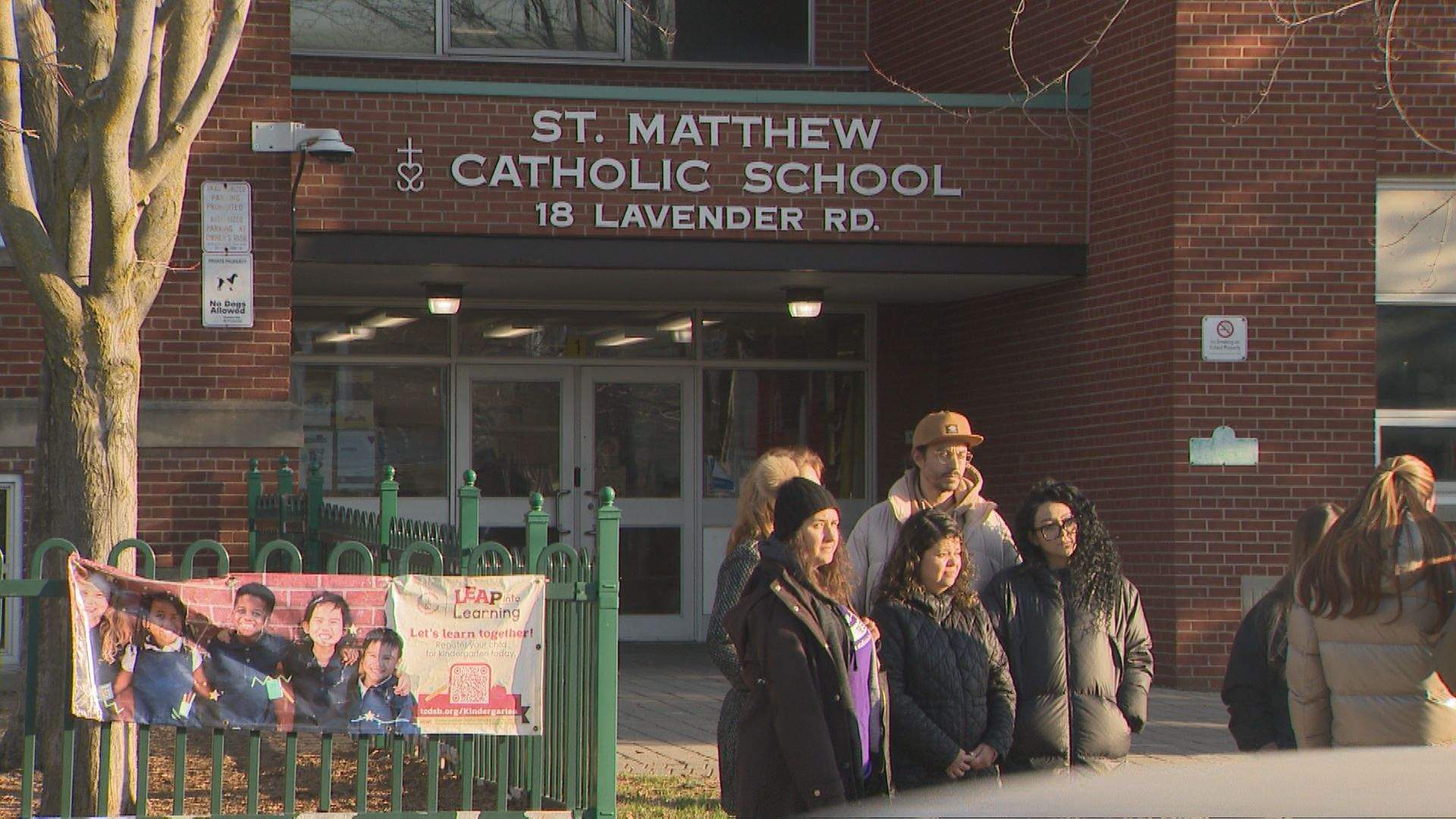
Toronto families are hitting a breaking point. Right now, the Toronto District School Board (TDSB) is moving forward with a plan to shift specialized programs for students with disabilities into regular classrooms. It’s a move they call "inclusion." Parents call it a disaster. They aren't just worried about grades. They're worried about safety, mental health, and the basic right to an education that actually fits their kids. If you’ve been following the news lately, you know the tension is high. It isn’t just about moving desks from one building to another. It’s about the total removal of specialized environments that some children literally need to survive the school day.
The reality is that "inclusion" sounds great on a board meeting agenda. Who wouldn't want every child to feel like they belong? But in practice, the TDSB is stripping away the very supports that make learning possible for neurodivergent students. When you take a child who requires a low-sensory environment and a high staff-to-student ratio and drop them into a chaotic, 30-kid mainstream classroom, you aren't "including" them. You're setting them up to fail. For an alternative view, consider: this related article.
The Myth of Inclusion Without Funding
The biggest lie being told right now is that this move is about social progress. It’s about the budget. Everyone knows it. The province has been squeezing school boards for years. By moving students out of specialized Intensive Support Programs (ISPs) and into "Home School Programs," the board can justify cutting back on specialized staff. They say the supports will follow the student. They won't. I've seen this play out before. The "supports" usually end up being a single Educational Assistant (EA) shared between five different classrooms.
Parents are reporting that their children, some with complex medical needs or severe autism, are being told their specialized spots are gone. The school board claims this is better for their social development. Honestly, that’s an insult to parents who have spent years fighting for a placement where their child doesn't have a daily meltdown. True inclusion requires massive investment. You need smaller class sizes across the board. You need sensory rooms in every school. You need specialized training for every teacher, not just a one-hour webinar on professional development day. Without those things, this isn't inclusion. It’s abandonment. Related insight on this matter has been provided by USA Today.
Why Intensive Support Programs Matter
To understand why parents are so angry, you have to understand what these programs actually do. An ISP isn't just a "special ed room." It’s a lifeline.
- Low Ratios: Many of these programs have one teacher and multiple EAs for just six to eight students.
- Specialized Expertise: The staff are trained in specific behavioral interventions and communication tools like PECS or Braille.
- Predictability: For a child with high-needs autism, routine is everything. The mainstream school system is built on bells, announcements, and constant transitions. It’s a nightmare for them.
When the TDSB moves these kids, that specialized environment disappears. The child is expected to adapt to the world, rather than the school adapting to the child. It’s a backwards way of looking at accessibility.
The Human Cost of Policy Changes
I spoke with families who are terrified. One mother in Etobicoke described her son’s journey. He spent three years in a regular classroom where he was basically ignored. He sat in a corner with an iPad because the teacher didn't have the time or training to engage him. Once he got into a specialized program, he started communicating. He started learning. Now, he’s being told he has to go back to his local school. This isn't progress. It’s a regression that could cost years of developmental gains.
There’s also the impact on the "typical" classroom. Let's be blunt. Teachers are already overworked and under-resourced. Adding students with complex needs without providing permanent, one-on-one support is unfair to the teacher and every student in that room. It creates a high-stress environment where nobody wins. We’re seeing more "safety plans" and classroom evacuations because the system is failing to provide the right setting for kids who struggle with emotional regulation.
How the TDSB Defends the Shift
The board’s official stance leans heavily on the idea of equity. They argue that specialized programs disproportionately stream certain demographics away from their peers. While there’s a valid conversation to be had about systemic bias in how kids are identified for special education, the solution isn't to burn the whole system down. You fix the intake process. You don't take away the service.
The TDSB’s "Secondary Program Review" and similar initiatives aim to reduce the number of students in congregated settings. They want more kids in their "home schools." But many home schools aren't even physically accessible. Older buildings in Toronto are notorious for lack of elevators or proper sensory spaces. If a child can't even get into the building comfortably, how can the board claim they're being included?
The Funding Gap from Queen's Park
We can’t lay all the blame at the feet of the school board. The Ontario government has a huge role in this. The funding formula for special education is outdated. It doesn't account for the actual number of students who need help. Instead, it uses a statistical model. This means boards get money based on what the province thinks the population should look like, not who is actually standing in the hallway needing help.
Until the provincial government decides that special education is a priority, boards will keep making these "efficiency" moves and calling them "inclusion." It’s a shell game. They move the students around to hide the fact that there isn't enough money to support them anywhere.
What Parents Can Do Right Now
If your child is being affected by these program moves, don't just wait for it to happen. The system relies on parents being too tired to fight back. But the squeaky wheel still gets the grease in the Ontario education system.
- Request an IPRC Review: The Identification, Placement, and Review Committee (IPRC) is your legal lever. If the board tries to change your child’s placement, you have the right to disagree. Don't sign anything you don't agree with.
- Document Everything: Keep a log of every time your child is sent home, every time a support is missed, and every incident report. You need a paper trail to prove that the "home school" placement isn't working.
- Join Advocacy Groups: Organizations like the Ontario Autism Coalition or local parent groups are essential. They know the loopholes. They know who to call at the Ministry of Education.
- Contact Your MPP: The school board's hands are often tied by provincial funding. Make it a political problem for the people who hold the purse strings.
The fight for special education isn't about getting "extra" for these kids. It’s about getting them what they are legally owed under the Ontario Human Rights Code. The board can call it inclusion all they want, but if the child isn't learning and isn't safe, it's a human rights violation.
The TDSB needs to stop prioritizing its budget over the needs of its most vulnerable students. Parents are tired of being told to do more with less. They’re tired of seeing their children treated like an inconvenience. It’s time to stop the "move" and start actually funding the supports that were promised.
If you're a parent in this situation, start building your case today. Check your child’s current Individual Education Plan (IEP) and compare it against what the new school is actually offering. If there’s a gap, raise hell. The only way to stop this "stripping away" of services is to make it more expensive and difficult for the board to ignore you than it is for them to support your child.



