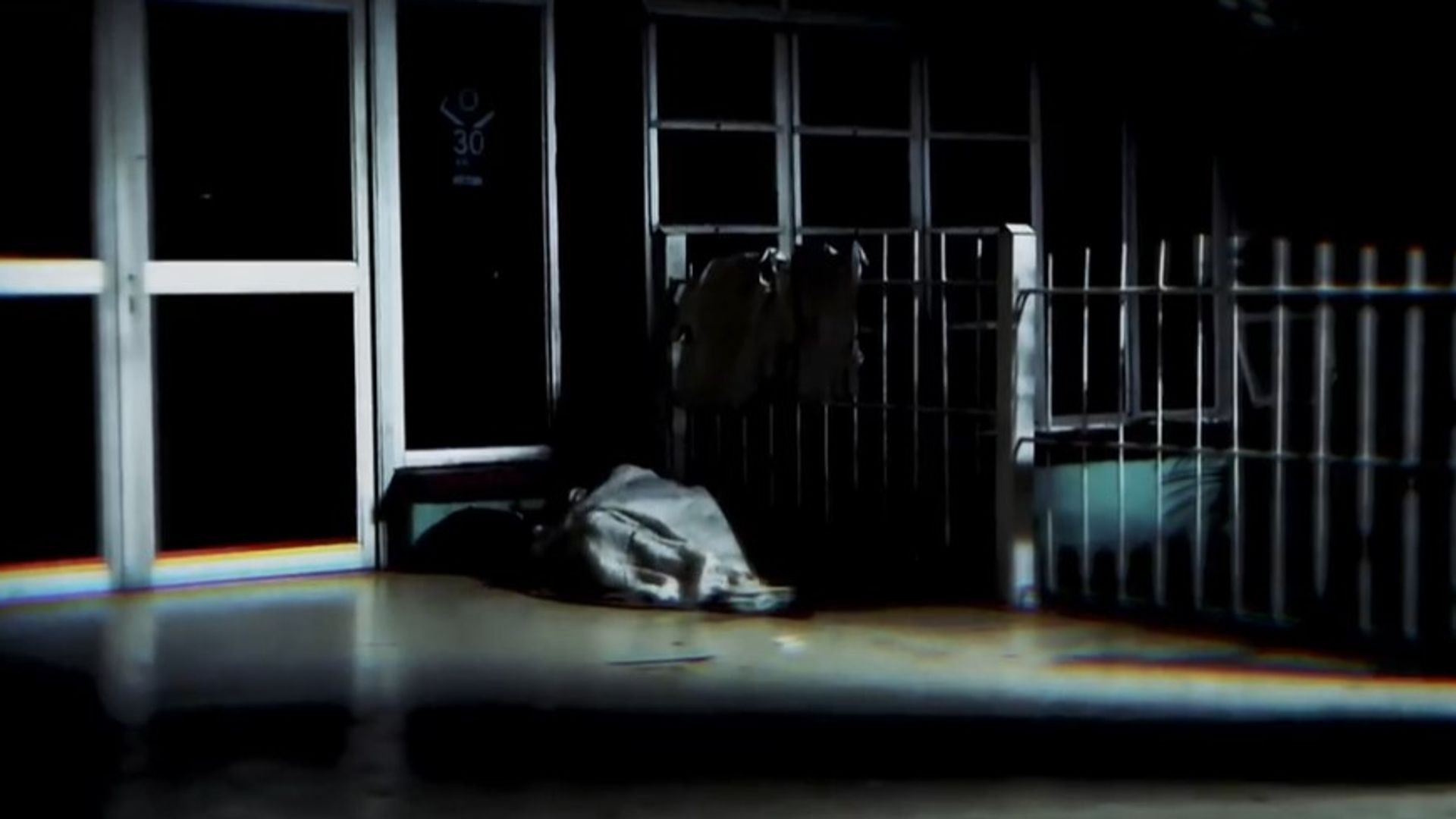
The lights are going out all over Havana, and this time, they might not come back on. If you think the ongoing economic chaos in Cuba is just another standard cycle of Caribbean socialist misery, you're missing the bigger, far more dangerous picture. The island is staring down the barrel of a complete, systemic state collapse.
For decades, Washington treated its Cuba policy like a low-stakes domestic political game tailored for voters in South Florida. But the current crisis, supercharged by an aggressive American oil blockade, has pushed the island past the breaking point. Right now, nearly three million Cubans face daily water shortages. The national electrical grid didn't just stumble; it suffered a total, multi-day collapse. Trash is piling up on Havana corners because garbage trucks don't have diesel. Hospitals have grounded ambulances and canceled surgeries.
This isn't a slow decline anymore. It's a cliff. And when a country of eleven million people located just ninety miles from Key West falls off a cliff, the United States doesn't get to sit back and cheer the demise of a communist adversary. It gets hit by the blast wave. Washington is completely unprepared for the messy, chaotic fallout of getting exactly what it spent sixty years wishing for.
The Fuel Blockade and the Summer Breaking Point
The immediate catalyst for this freefall is unprecedented energy starvation. In early 2026, the White House signed Executive Order 14380, enacting a tight naval blockade on oil tankers heading to the island. Following the U.S. military intervention in Venezuela that ousted Nicolás Maduro, Cuba lost its primary lifeline of heavily subsidized crude.
Washington didn't stop there. The administration threatened crippling tariffs on any nation attempting to fill the void. The Mexican state-owned oil company, Pemex, halted its shipments almost immediately under the threat of U.S. economic retaliation. According to data from the Cuban Ministry of Energy and Mines, the island's water and power systems are currently operating on less than 37% of the fuel required to stay functional.
http://googleusercontent.com/image_content/216
The strategy is obvious: squeeze the Cuban economy until the population rises up and topples the regime of Miguel Díaz-Canel. But this assume a neat, orderly transition to democracy that rarely happens in the real world. Instead, the pressure has pulverized basic human survival systems.
When a state loses the ability to pump water, harvest crops, or collect garbage, it loses its reason to exist. Reports from inside Cuba indicate that extreme poverty now grips roughly 89% of the population. The UN World Food Programme has struggled to distribute relief because transport trucks simply have no fuel. It's an artificial famine created by a combination of spectacular domestic mismanagement and relentless external economic warfare.
What the Cold War Playbook Gets Wrong About Havana
American foreign policy circles often act like Cuba is still the Soviet proxy of 1962 or the cash-strapped dictatorship of the 1990s "Special Period." It isn't. The modern Cuban state is run by a military-industrial conglomerate called GAESA.
While everyday Cubans skip meals—with more than 70% of households reporting missed meals due to lack of resources—the ruling elite has spent the last several years funneling scarce funds into building luxury tourist hotels that sit completely empty. Even worse, independent financial analysts tracked a massive corruption scheme where GAESA linked entities re-exported Venezuelan oil to Asian markets, stashing the proceeds in offshore tax havens instead of upgrading the island's decrepit thermoelectric plants.
The regime isn't a ideological monolith anymore; it's a heavily armed holding company desperate to protect its assets.
If the military and security apparatus loses its grip due to a lack of fuel, pay, and basic supplies, the result won't be a peaceful transition. You don't get a sudden, neat conversion to free-market democracy. You get a failed state. Think Somalia or Haiti, but right on the maritime doorstep of the United States. A power vacuum in Havana means a free-for-all for transnational criminal networks, drug cartels, and human traffickers looking for a lawless base of operations in the Caribbean.
The Impending Refugee Crisis on Florida's Doorstep
The most immediate, unavoidable consequence of a total Cuban collapse is a historic migration wave. We're not talking about a steady trickle of rafts. We're talking about a massive, desperate exodus that will dwarf anything seen in modern American history.
Former Defense Secretary Robert Gates explicitly warned that the single greatest threat stemming from Cuba right now is a total structural collapse that triggers an uncontrollable maritime evacuation. To understand the scale of what's coming, look at the historical data:
- The 1980 Mariel Boatlift: Around 125,000 Cubans arrived in Florida over six months, completely overwhelming local infrastructure, schools, and law enforcement.
- The 1994 Balsero Crisis: Over 35,000 Cubans took to the seas on makeshift rafts in a matter of weeks, forcing the U.S. government to divert massive military assets to intercept and house migrants at Guantanamo Bay.
Conditions in Cuba today are vastly worse than they were in 1980 or 1994. Infant mortality on the island jumped by 148% between 2018 and 2025 due to the collapse of public healthcare. If the regime completely implodes this summer, U.S. intelligence officials estimate that hundreds of thousands of desperate people will take to the water simultaneously.
The U.S. Coast Guard and Southern Command don't have the manpower or vessels to humanely intercept, process, and house a migrant wave of that magnitude on the open ocean. The political and logistical strain on Florida will be catastrophic, forcing the federal government to declare an immediate national emergency.
Geopolitical Real Estate and the Vacuum
Washington has long operated under the assumption that the Western Hemisphere is its exclusive backyard. But forcing a sudden collapse in Cuba opens the door wide for America's global rivals.
If the U.S. refuses to provide humanitarian stability during a Cuban meltdown, other global powers will step in to buy up the pieces. Beijing and Moscow have spent decades cultivating ties with Havana. A completely broke, desperate post-collapse Cuban faction would gladly trade strategic military positioning, intelligence listening posts, or deep-water port access to China or Russia in exchange for food, fuel, and security.
The idea that a collapse automatically results in a pro-Western government is a dangerous fantasy. It's far more likely to yield a fractured, hyper-vulnerable territory where foreign adversaries can establish a permanent, hostile presence right on the American border.
How to Handle the Fallout Right Now
The White House cannot keep pretending that its current strategy ends with a flag-raising ceremony in Havana. If you want to avoid a massive humanitarian and security disaster, the policy has to shift immediately from blind economic destruction to aggressive crisis mitigation.
First, Washington needs to establish strict, monitored humanitarian corridors for food and medicine. This isn't about rewarding the communist regime; it's about keeping eleven million people stable enough that they don't feel forced to flee on rafts. Sanctions must be adjusted dynamically to allow independent Cuban entrepreneurs and private small businesses to import goods directly, bypassing the military elite while keeping the local economy breathing.
Second, the Pentagon and the Department of Homeland Security must finalize a comprehensive, multi-agency response plan for a mass migration event before the summer heat intensifies the crisis. This means setting up regional processing centers outside the continental United States and coordinating directly with Caribbean allies like the Bahamas and the Dominican Republic to share the logistical burden.
Finally, the U.S. needs to open direct, low-profile lines of communication with non-GAESA factions within the Cuban civil service and military. When the collapse happens, someone needs to keep the water running and the remaining power plants online. Finding the pragmatists who care more about preventing total anarchy than defending a dying ideology is the only way to avoid a bloody, prolonged civil conflict.
The clock is ticking louder than ever in Havana. Washington spent decades trying to break the Cuban regime, but now that it's actually breaking, the U.S. has to figure out how to catch the pieces.
Cuba Economic Crisis Report
This video provides essential on-the-ground context regarding how the U.S. fuel embargo impacts everyday routines and why an imminent collapse poses a direct national security threat to the United States.