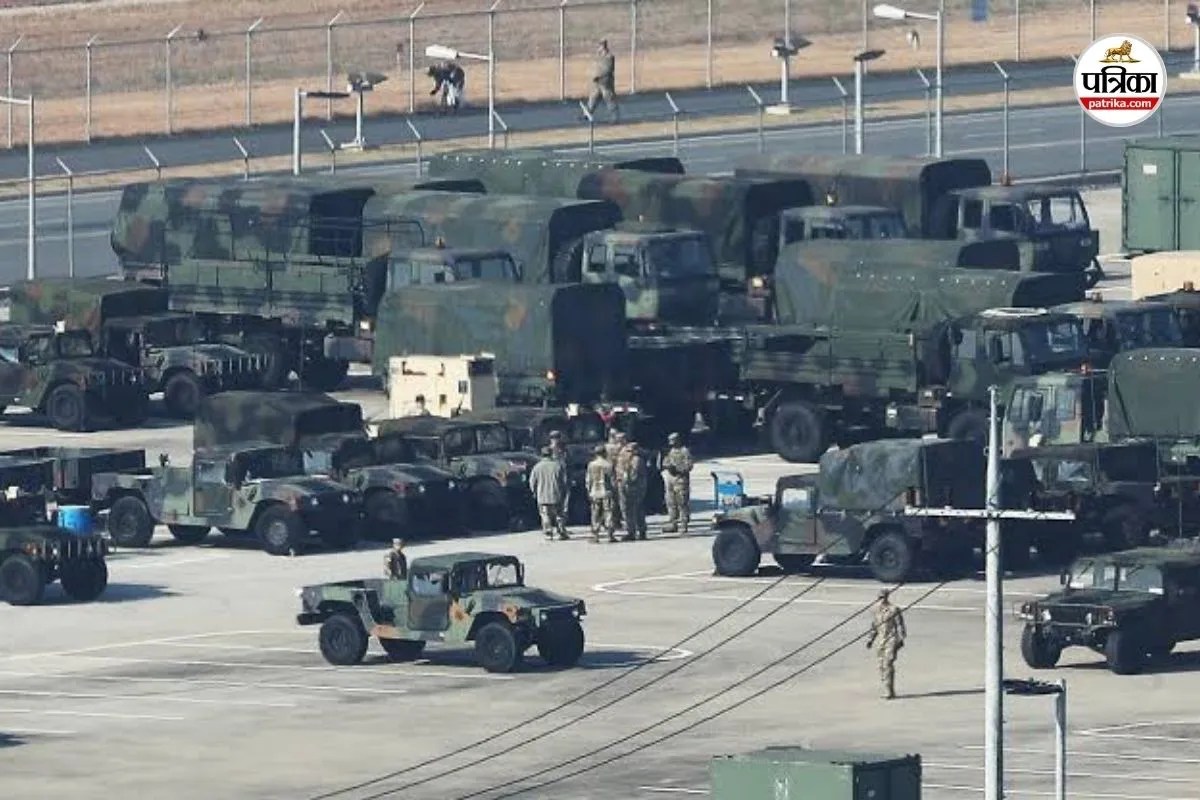
A toxic chemical leak at the United States military installation in Pyeongtaek triggered immediate emergency evacuation protocols, sending shockwaves through local communities in South Korea and reigniting fierce diplomatic scrutiny over environmental safety standards on foreign bases.
The incident centered around Camp Humphreys, the sprawling hub for American forces stationed on the peninsula. Sirens blared across the base perimeter as hazardous materials teams scrambled to contain an airborne contaminant release. South Korean municipal authorities in Pyeongtaek issued urgent shelter-in-place warnings via mobile emergency alerts, advising residents within a multi-kilometer radius to close windows and remain indoors. Panic spread rapidly through digital messaging groups and local media networks, drawing painful parallels to historical friction points surrounding the Status of Forces Agreement.
Military installations of this scale function as self-contained cities. They house massive fuel depots, chemical storage facilities, maintenance hangers, and power generation units. When containment fails, the consequences rarely respect boundary fences. Pyeongtaek citizens live in the shadow of this strategic alliance. They bear the daily logistical burdens of hosting tens of thousands of foreign troops. Every time a safety protocol breaks down, the friction between national security imperatives and local civilian welfare bursts into public view.
The Anatomy of the Pyeongtaek Incident
Official statements from United States Forces Korea confirmed that the leak originated within a specific industrial workspace inside the installation boundaries. While initial military reports sought to minimize the severity, local first responders described a chaotic scene. Emergency dispatch logs show dozens of calls reporting pungent chemical odors drifting toward residential districts adjacent to the base gates.
Air monitoring equipment deployed by regional environmental agencies recorded anomalous spikes in volatile organic compounds. These compounds pose immediate respiratory risks. Exposure can cause severe throat irritation, dizziness, and prolonged neurological complications depending on the specific agent involved. The exact substance remains a point of contention between base public affairs officers and South Korean investigators demanding transparent disclosure.
Under the current legal framework governing foreign military footprints in South Korea, domestic environmental authorities face severe jurisdictional hurdles when attempting to inspect foreign military sites. This jurisdictional asymmetry breeds deep distrust. When an industrial solvent or fire-suppression foam escapes secondary containment, the local population relies entirely on the military command structure to police itself. That arrangement worked during the Cold War. It looks increasingly untenable in a modern, densely populated democracy.
Historical Precedents of Environmental Friction
This crisis did not happen in a vacuum. South Korea and the United States share a long, complicated history regarding environmental management on military lands. Past incidents involving the improper disposal of toxic agents—most notably the notorious 2000 formaldehyde dumping incident at Yongsan Garrison—sparked nationwide protests and forced sweeping revisions to bilateral environmental governance guidelines.
Those historical wounds explain the velocity of public reaction in Pyeongtaek. Citizens do not view chemical leaks as isolated operational mishaps. They view them as systemic symptoms of a security architecture that prioritizes strategic readiness over civic accountability. When hazardous materials breach containment, the immediate instinct of the local populace is skepticism. They have heard promises of zero-tolerance safety standards before.
Modern defense logistics require enormous quantities of hazardous materials. Aviation fuel, heavy degreasers, hydraulic fluids, and specialized coolants are the lifeblood of a forward-deployed mechanized force. Storing and utilizing these substances safely demands rigorous maintenance schedules, redundant fail-safe systems, and continuous independent oversight. When any link in that chain snaps, the margin for error evaporates instantly.
The Regulatory Blindspot
Transparency remains the central casualty in military environmental accidents. The immediate reflex of command structures during a hazardous materials release is operational security. Authorities fear that admitting the scale of a toxic leak will hand a propaganda victory to regional adversaries or trigger domestic political backlash.
This reflex backfires. In an era of instant information sharing, suppression of detail creates an information vacuum. Rumors fill that vacuum. Unverified reports of mass hospitalizations and catastrophic chemical plumes circulate online long before official channels release coherent updates. By the time base commanders issue a reassuring press release, the damage to public trust is already done.
South Korean lawmakers have repeatedly pushed for amendments to the bilateral security agreements to grant local inspectors unhindered access during environmental emergencies. Washington resists these changes, citing operational security and the need to protect sensitive defense infrastructure. This structural deadlock leaves municipal leaders in Pyeongtaek holding the bag. They must manage the panic of their constituents without having the legal authority to verify the actual environmental threat level.
Looking Beyond the Gate
The Pyeongtaek chemical leak serves as a blunt reminder that geopolitical alliances carry physical weight. Troops do not operate in a digital ether. They occupy land, consume local water supplies, and share an airshed with millions of civilian neighbors. When an industrial accident occurs behind the concertina wire, the civilian population pays the price for proximity.
Preventing future crises requires a fundamental shift in how military commands communicate with host-nation authorities. Real-time data sharing during hazardous material releases is not a security risk. It is a baseline requirement for mutual survival. If United States Forces Korea wants to maintain the goodwill of the South Korean public, commanders must abandon the bunker mentality that shrouds routine industrial accidents in artificial secrecy.
The evacuation alerts in Pyeongtaek have faded. The air quality indices have returned to nominal baselines. The underlying structural vulnerabilities, however, remain entirely unchanged. Until real accountability replaces institutional defensiveness, the next toxic leak is merely a matter of time.


