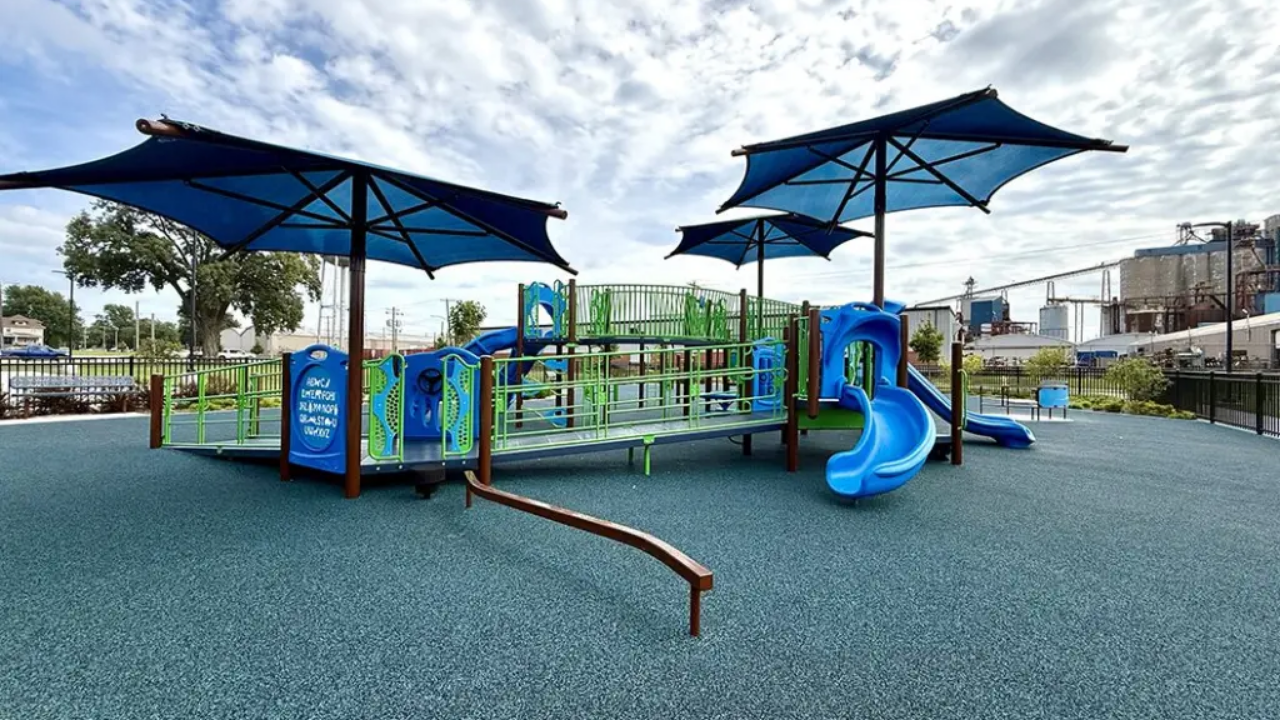
Old brick buildings usually end up as empty shells or luxury lofts. Communities often watch historic neighborhood schools get bulldozed for corporate housing or sit vacant for decades. That routine waste makes the transformation of a former Illinois school into a $1.35 million accessible park so striking. You aren't just looking at another neighborhood green space. You are looking at a masterclass in urban repurposing that actually puts community needs ahead of developer profits.
Too many public parks treat accessibility as an afterthought. They check a box by adding a single ramp to a standard playground and call it a day. Children with mobility devices, sensory processing differences, or cognitive disabilities get left out of the fun. This Illinois project takes a different route entirely. It builds inclusivity right into the foundation.
Let's look at what $1.35 million actually buys when a municipality decides to do things right. The budget covers specialized rubberized surfacing instead of wood chips that swallow wheelchair wheels. It funds sensory-rich play structures, shaded resting areas for parents dealing with medical equipment, and an inclusive splash pad designed for children of all physical abilities. The former school site provides a massive footprint with mature trees and existing infrastructure, giving landscape architects room to design zones that cater to high-energy kids and kids who need quiet sensory breaks.
Communities struggle with empty real estate all the time. School closures happen because of shifting demographics and shrinking budgets. When a building closes, the surrounding neighborhood usually takes a direct hit to its property values and overall vibrancy. Turning that vacant asphalt and crumbling brick into a vibrant, accessible park breathes life right back into the block. It gives families a reason to stay in the neighborhood. It creates a central gathering spot where kids of all abilities play side by side, which changes how an entire generation views disability and inclusion.
If you are trying to advocate for a similar project in your own town, you need to understand the pushback you will face. Local governments worry about maintenance costs. Residents worry about parking. Bureaucrats drag their feet because inclusive design standards require more thought than ordering a generic catalog playground. You beat that resistance by pointing to real data from successful builds like this one. Accessible parks draw visitors from neighboring towns, boosting foot traffic for local businesses and proving that inclusive design benefits everyone, from toddlers to grandparents using walkers.
Take a hard look at the empty spaces in your own backyard. Every abandoned school lot or underused municipal parcel represents an opportunity to build spaces that do not exclude half the population. Stop accepting cheap, cookie-cutter playgrounds that fail our kids. Demand better design standards, push for adaptive equipment from day one, and hold your local leaders accountable for how they spend public funds.