Donald Trump just announced what he calls the biggest oil deal in history. The agreement supposedly grants the United States majority control over 65 billion barrels of Venezuelan oil reserves. If you look past the political grandstanding, the mechanics of this pact reveal an aggressive gamble to reshape global energy markets. Gas prices are high, domestic reserves are stretched, and Washington wants a massive injection of foreign crude. But signing a piece of paper in Washington is entirely different from pulling heavy oil out of the ground in South America.
The arrangement involves a 100-year concession granted by interim Venezuelan President Delcy Rodriguez to a private joint venture. According to administration officials, the U.S. government retains a 55% stake in this arrangement, splitting equity and securing rights to acquire oil at cost. Secretary of State Marco Rubio and Defense Secretary Pete Hegseth helped broker the pact, which targets 17 strategic fields meant to bring roughly $100 billion in private investments.
The Infrastructure Nightmare
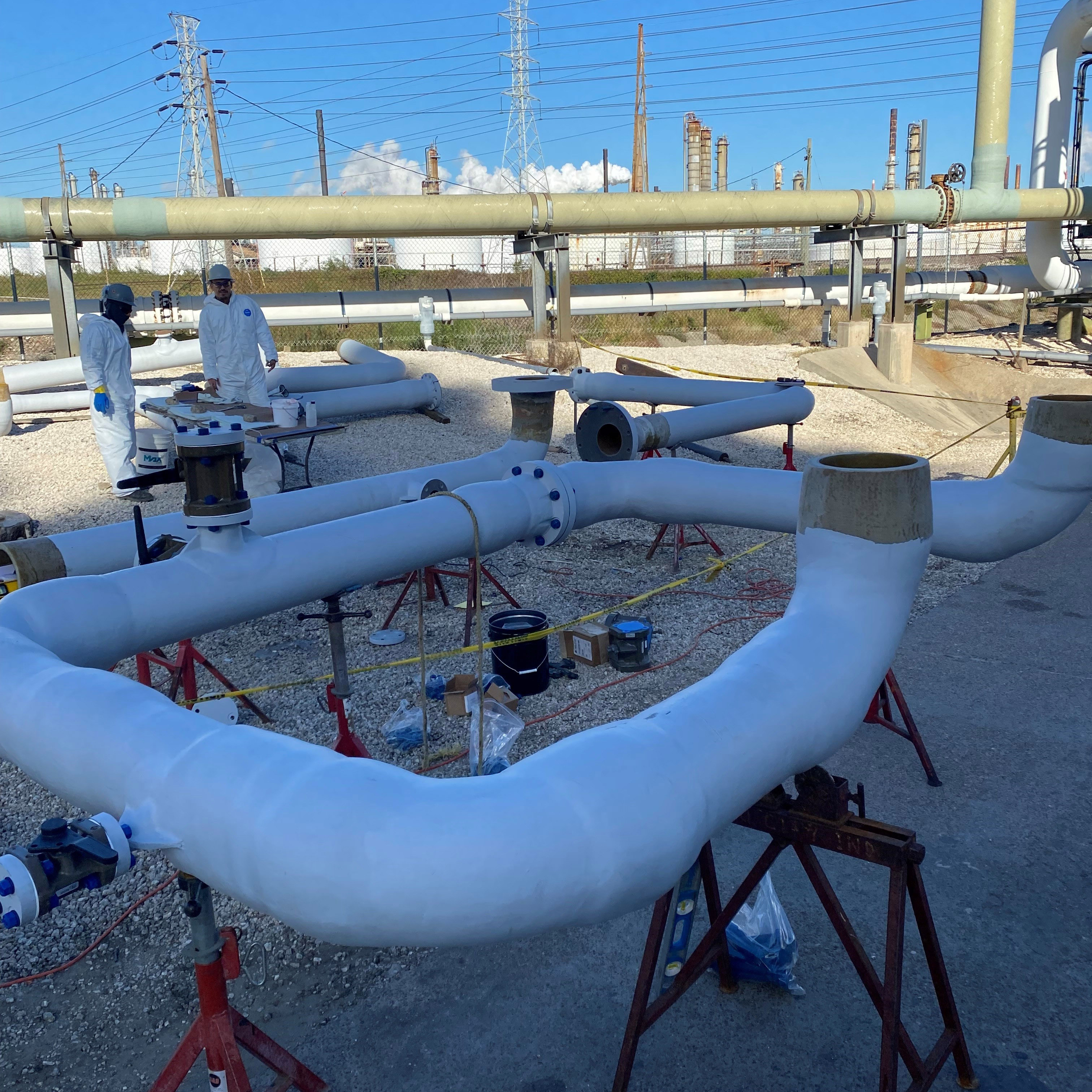
Nobody should pretend this oil will start flowing tomorrow. Venezuela holds the largest proven crude reserves on the planet—hovering around 303 billion barrels—yet its actual production sits at a dismal fraction of global output. Decades of state mismanagement, corruption, and crushing international sanctions turned world-class facilities into rusting scrap metal.
Take a close look at what happened when Trump met with major oil executives at the White House. ExxonMobil CEO Darren Woods didn't mince words, labeling the country "un-investable" due to a history of arbitrary asset seizures under past socialist regimes. When Hugo Chávez nationalized foreign holdings decades ago, companies lost billions. Chevron stayed, operating under strict waivers, but most major players pulled out entirely. Convincing corporate boards to spend tens of billions of dollars rebuilding crumbling pipelines, upgraders, and refineries requires guarantees that go far beyond a temporary political alignment.
Why This Deal Is Happening Now
Domestic political pressure explains the timing better than anything else. Average U.S. gasoline prices hover well above $4 a gallon, fueled by lingering global supply disruptions and conflicts. Meanwhile, the U.S. Strategic Petroleum Reserve has dropped below 300 million barrels after aggressive drawdowns.
The White House needs a structural fix to curb fuel costs before voters head back to the polls. Securing access to 65 billion barrels of reserves is designed to signal to the markets that long-term supply relief is on the way. Whether Wall Street and multinational energy firms believe the promise is an entirely different question.
What Happens Next on the Ground
For this agreement to matter, the private operators chosen for the joint venture must deploy capital at an unprecedented scale. Rebuilding Venezuelan heavy oil extraction facilities takes years, specialized engineering, and massive logistical supply chains. Interim leader Delcy Rodriguez has eased local laws to permit private management, and Washington has rolled back parts of the strict sanctions regime.
Yet, operational security remains a massive wildcard. Following the military operation that removed Nicolás Maduro, the country remains politically fragile. If local opposition groups mobilize or legal frameworks shift again under a future administration, foreign capital will dry up overnight. Watch how the major energy syndicates respond over the next six months. If they refuse to commit actual capital, this historic deal will remain nothing more than a headline.