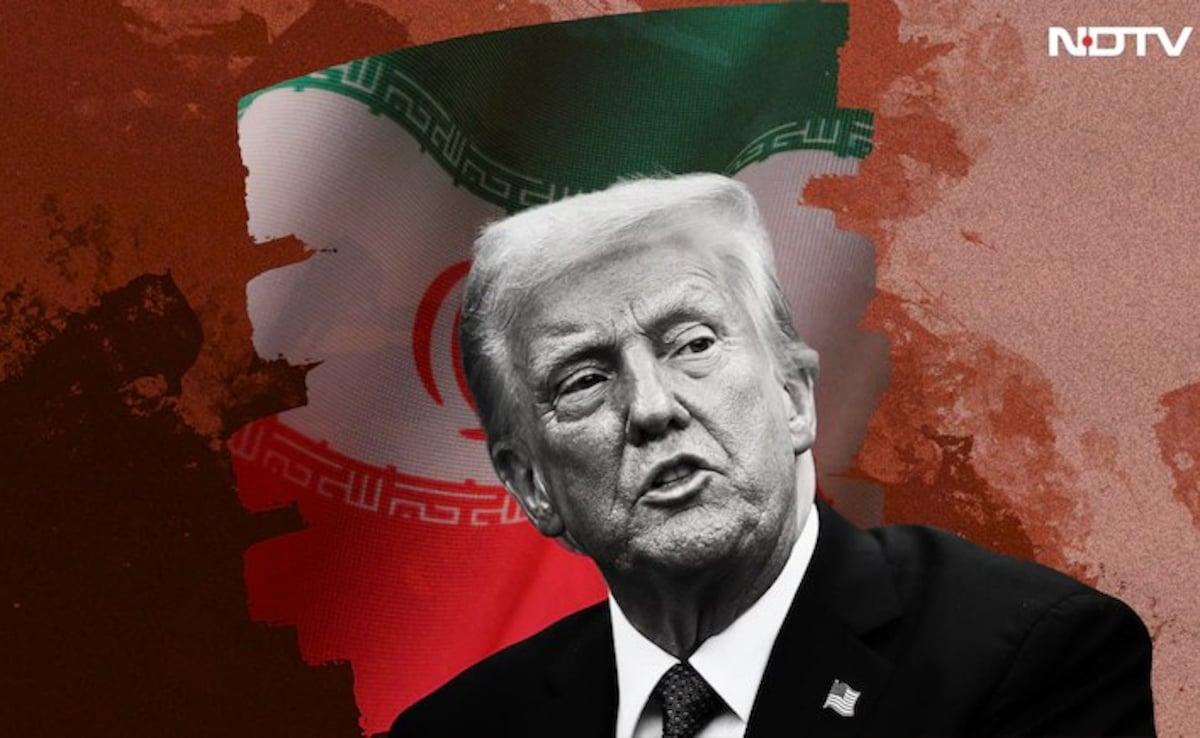
The rumors are flying fast. If you've been following the news over the last 48 hours, you've seen the headlines about Donald Trump potentially hopping on Air Force One to Islamabad. It’s not just another diplomatic photo op. We’re looking at a high-stakes play to end the 2026 Iran war, and Pakistan has suddenly become the most important room in the world.
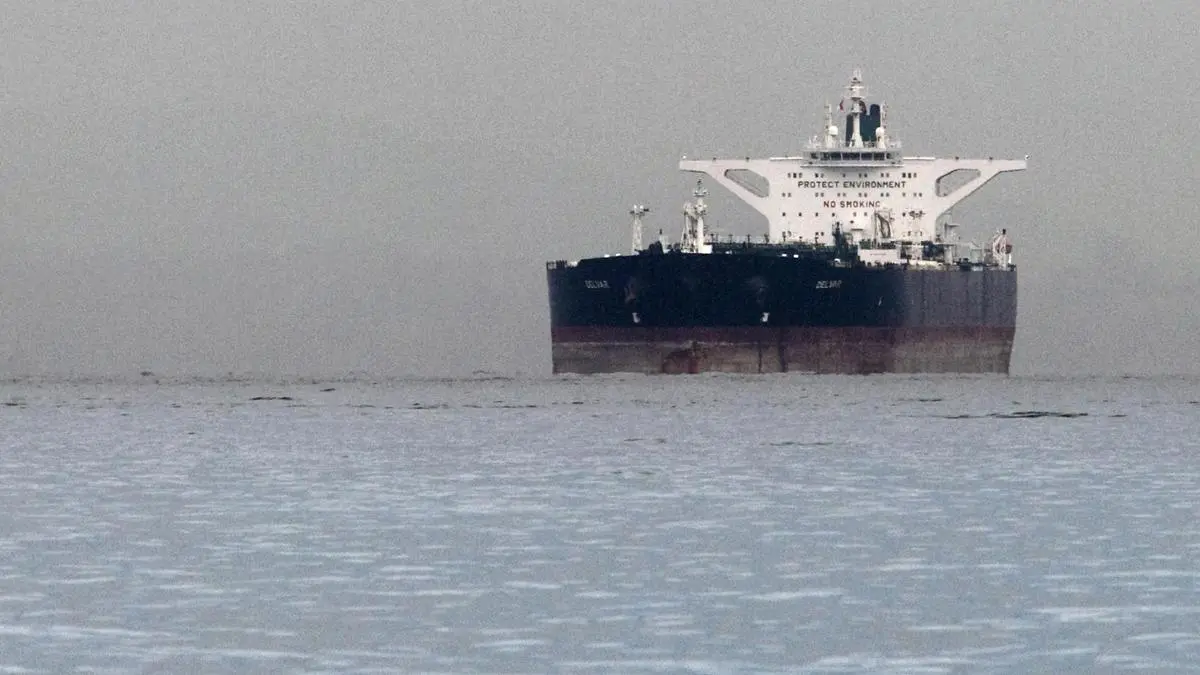
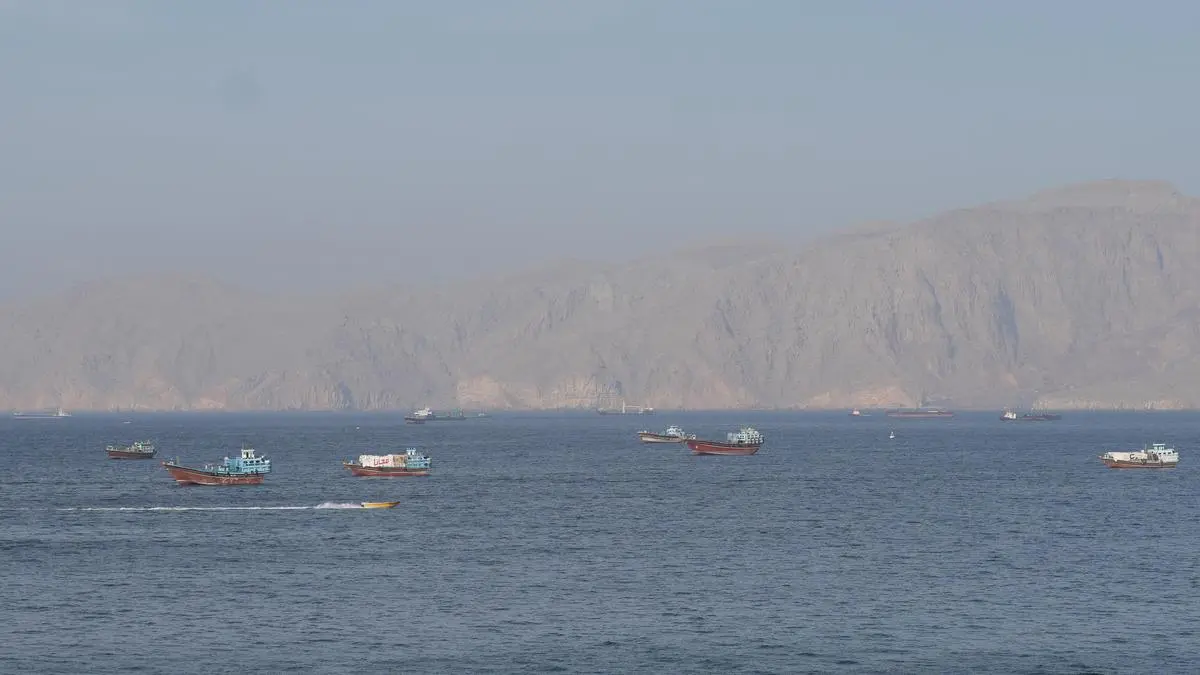
You’re probably wondering why Pakistan? Or why now, with a ceasefire set to expire on Wednesday, April 22? The reality is that the Strait of Hormuz is effectively closed, global oil prices are twitching, and about 2,000 ships are sitting ducks. Trump wants a win, and he’s signaled he’s willing to fly into the heart of the region to get it. Meanwhile, you can explore other stories here: China Is Not Mediating the Middle East—It Is Arbitraging American Exhaustion.
The Islamabad Connection
Most people don't realize how deep the current administration's ties with Pakistan’s leadership actually go. This isn't the frosty relationship of a decade ago. Trump has been openly praising Prime Minister Shehbaz Sharif and Field Marshal Asim Munir. In fact, Munir has been the quiet architect behind this entire mediation effort since a surprise White House visit back in June 2025.
Pakistan isn't just hosting the snacks and the security. They’re the only ones both sides trust enough to sit in the same building. Trump has already sent Vice President J.D. Vance to lead the first round of talks. While that first 21-hour marathon ended without a signature, Trump is basically saying he’ll show up personally if the "nuclear dust"—his term for Iran’s enriched uranium—is on the table. To explore the full picture, we recommend the recent analysis by TIME.
What Is Actually On The Table
The details of this deal are intense. We aren't just talking about a simple "stop shooting" agreement. The proposed framework, mediated by Pakistan, is a multi-phase beast.
- The Uranium Handover: Trump claims Tehran has agreed to hand over its store of enriched uranium (roughly 970 pounds or 440 kilograms). Iran’s state media is currently calling this a "nonstarter," but that’s standard pre-deal posturing.
- The Hormuz Blockade: Iran wants the U.S. naval blockade of its ports lifted. Trump won't budge until the Strait is "open, free, and clear."
- Infrastructure Threats: Trump hasn't been subtle. He’s warned that if a deal isn't reached by the Wednesday deadline, he's ready to target Iranian power plants and bridges. It’s the "Art of the Deal" with cruise missiles.
It’s easy to dismiss Trump’s talk about flying to Pakistan as just another headline-grabbing quote. But look at the logistics. Advance security teams are already on the ground in Islamabad. You don't send those teams unless a presidential visit is a serious contingency.
Why This Matters For Your Wallet
If you're not a fan of geopolitics, you should still care about this because of the Strait of Hormuz. One-fifth of the world’s oil passes through that narrow stretch of water. Right now, it's a ghost town. Shipping companies are losing millions daily, and those costs eventually hit your gas tank and your grocery bill.
Pakistan is pushing for this deal because they’re desperate to ease their own energy crisis. They’ve managed to get the U.S. and Iran into the first direct, high-level engagement since 1979. That’s huge. Even if Trump only joins virtually, the fact that Islamabad is the chosen neutral ground tells you everything about the new global pecking order.
The Risks Of A Photo Op Peace
There's a lot that could go wrong. Iran’s Parliament Speaker, Mohammad Bagher Qalibaf, has been vocal about not negotiating "under the shadow of threats." There's also the issue of historical mistrust. Tehran feels like it's been burned before on nuclear deals.
On the flip side, Trump is under pressure to stabilize global markets. He wants to prove he can end a war that many thought would drag on for years. If he goes to Pakistan, it’s because he’s 90% sure he’s getting a signature. He doesn't do "maybe" when Air Force One is involved.
What Happens Wednesday
The two-week ceasefire expires in less than 24 hours. If the Islamabad talks don't produce a breakthrough, we’re likely looking at a return to open conflict. Trump has accused Iran of violating the truce "numerous times" on Truth Social, which usually means he’s prepping the public for an escalation if the table talk fails.
Expect a frantic 24 hours. The Iranian delegation hasn't even officially departed for the second round yet, according to state media. They’re playing hard to get, waiting for Trump to dial back the rhetoric. But that's not his style. He’s doubling down on the Islamabad invitation.
If you’re watching this play out, keep your eyes on the flight trackers and the official statements from the Pakistani military. They are the ones holding the keys to this meeting. If a deal happens, it won't be because of a sudden burst of friendship between Washington and Tehran. It'll be because Pakistan gave them a way to save face while the world watched from the sidelines.
Keep an eye on the Wednesday deadline. If there’s no extension or signed paper by then, the "lots of bombs" warning Trump mentioned might move from social media to reality very quickly.