The Strait of Hormuz is the world's most volatile choke point, and it's currently the center of a high-stakes standoff. Donald Trump insists that "no one" will control this vital waterway. He claims a peace deal to end the three-month-old war is largely negotiated. Yet, the reality on the water tells a completely different story.
If you look past the standard political theater, the core issue is simple. Who gets to dictate who sails through a channel that carries 20 percent of the world's oil and liquefied natural gas? Trump claims the shipping lane will open up to everyone under a new memorandum of understanding. Tehran, however, publicizes a starkly different view. Iranian state media notes that management of the strait remains the exclusive monopoly of the Islamic Republic.
This isn't just about diplomatic bickering. It's an active conflict with global economic consequences. While Trump tells the public a deal is close, he's simultaneously keeping a crushing naval blockade on Iranian ports. The global economy is feeling the squeeze, and the path out of this mess is anything but clear.
The Illusion of an Imminent Peace Deal
Just days ago, Trump lit up Truth Social by announcing that a memorandum of understanding with Iran was basically finalized. He talked about productive phone calls with regional players, including Saudi Arabia, Qatar, and Israeli Prime Minister Benjamin Netanyahu. The proposed framework sounds great on paper. It includes a 60-day extension of the current fragile ceasefire, a phased lifting of the U.S. naval blockade, and the gradual reopening of the strait.
But don't buy the hype just yet. Almost immediately after Trump's announcement, his own administration started walking back expectations. On Sunday, Trump shifted gears, writing that he told his negotiators not to rush into anything. He stated the U.S. blockade on Iranian ships will remain in full force and effect until an agreement is officially signed and certified.
The truth is the two sides are miles apart on the fundamental issues. The U.S. wants Iran to hand over or dilute its entire stockpile of highly enriched uranium. Iran considers its nuclear program a red line. Trump also demands that Middle Eastern heavyweight nations like Saudi Arabia and Qatar join the Abraham Accords as part of the broader deal. He's openly accusing Tehran of dragging its feet to wait out the upcoming U.S. midterm elections.
Who Actually Governs the Strait of Hormuz
The biggest sticking point in these intense negotiations is the legal status of the waterway. Under international law, the Strait of Hormuz is an international strait. This means commercial and military vessels enjoy the right of transit passage. They can move through safely without interference from coastal nations.
Iran is trying to rewrite these rules. Iranian officials are framing transit tolls as "protection fees" to give their maritime presence a legal veneer. Tehran claims the strait consists of territorial waters under the strict administration of coastal states, namely Iran and Oman. Iranian state media platforms like the Fars news agency flatly contradict Trump. They insist that determining the route, timing, and method of passage is a non-negotiable Iranian monopoly.
Right now, the Islamic Revolutionary Guard Corps controls the flow of traffic. Before the war kicked off on February 28, around 140 commercial vessels transited the strait every single day. Lately, that number has slowed to a crawl. Only about 33 vessels passed through in a recent 24-hour window, and every single one had to ask Tehran for permission first. The U.S. is completely against any sort of fee or permit system, making this a massive hurdle for negotiators.
The Economic Cost of the Naval Blockade
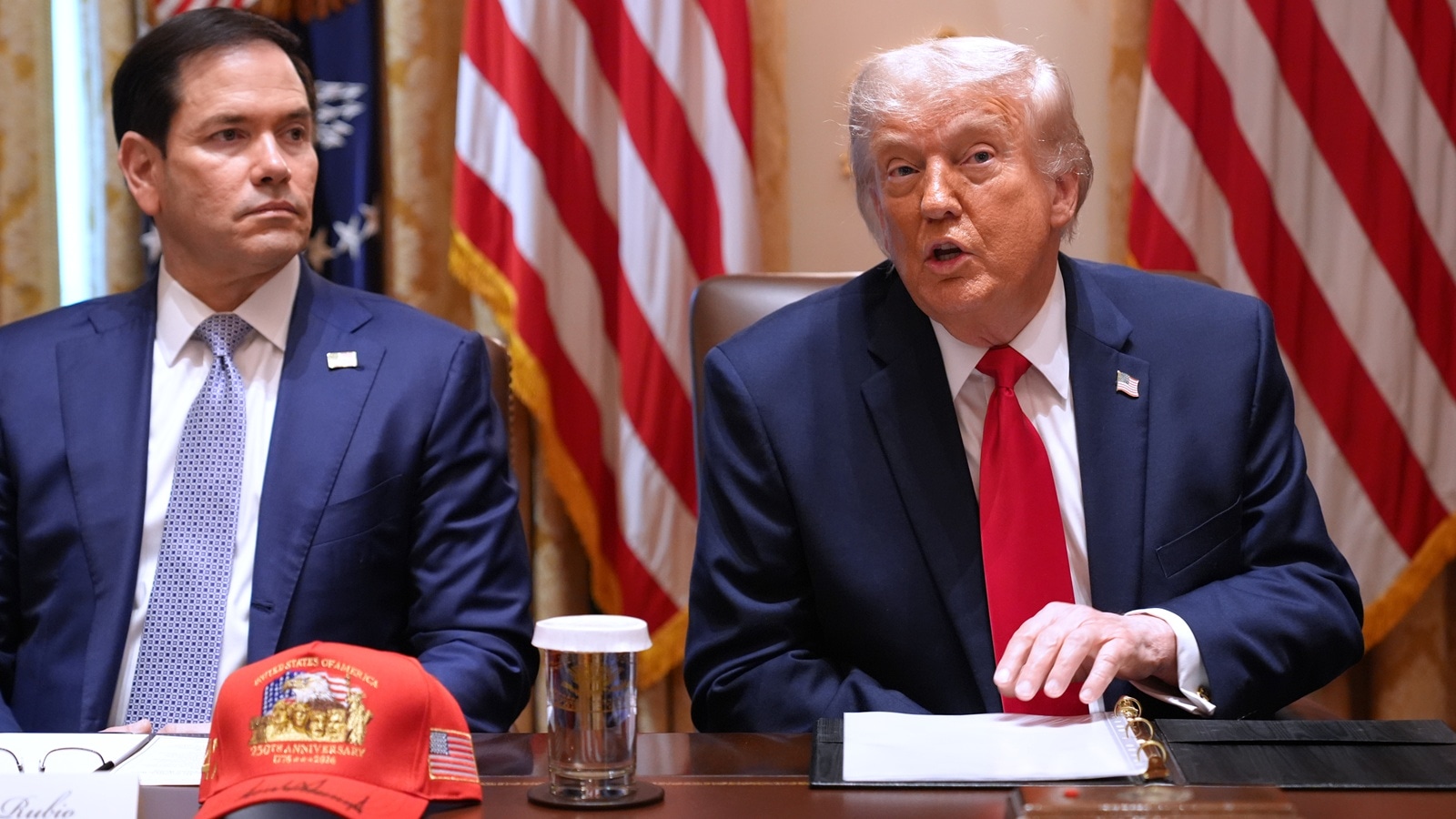
The military strategy here isn't subtle. The U.S. navy is choking off Iran's economic lifeblood by maintaining a strict blockade on its oil ports. Trump pointed out during a recent cabinet meeting that the Iranian economy is in freefall, pointing to a staggering 250% inflation rate inside the country. He thinks this economic pain will force Iran to capitulate.
However, the pain goes both ways. The closure of the strait has sent global energy markets into chaos, triggering a severe economic crisis. Shipping companies are forcing tankers to take long, expensive detours around Africa or reroute through the Panama Canal just to avoid the conflict zone.
Even if a peace treaty is signed tomorrow, the shipping industry won't recover overnight. The head of the Abu Dhabi National Oil Company recently warned that full maritime traffic flows through the strait won't return until at least the first or second quarter of 2027.
Why a Real Resolution Is Miles Away
Domestic political pressure on both sides is making a real compromise incredibly difficult. Republican hawks in Washington are already furious about the emerging details of the draft agreement. Figures like Texas Senator Ted Cruz and former Secretary of State Mike Pompeo have publicly blasted the potential deal. They argue it mirrors the 2015 Obama-era nuclear agreement, leaving the Iranian regime intact and free to enrich uranium down the road.
On the other side of the globe, Israel is deeply uncomfortable with the current direction of the talks. The proposed agreement calls for a halt to hostilities on all fronts, including Israel's ongoing operations against Iran-backed Hezbollah forces in Lebanon. Israeli leadership is demanding strict guarantees that they'll maintain freedom of action to defend their borders, regardless of whatever document Trump signs.
To see what you can do next as an observer of this crisis, keep these practical steps in mind to protect your interests:
- Diversify supply chains: If you run a business reliant on global manufacturing or raw materials, stop relying on shipping routes that depend on Middle Eastern transit. Look for regional alternatives immediately.
- Monitor energy sector investments: Energy markets will remain highly volatile as long as the U.S. blockade remains active. Rebalance portfolios to hedge against sudden oil and gas price spikes.
- Track the 60-day ceasefire window: Watch the upcoming diplomatic rounds in Pakistan and Qatar. If negotiations fall through before the midterms, Trump has already threatened to return to active bombing campaigns.
The situation remains a volatile waiting game. Trump says the U.S. will either get a great deal or "finish the job" on the battlefront. Tehran refuses to yield its backyard, ensuring the Strait of Hormuz remains the most dangerous strip of water on earth.


