Donald Trump just admitted he called Benjamin Netanyahu "fucking crazy."
Let that sink in. For years, the public narrative surrounding these two has been a carefully choreographed dance of mutual admiration. They love to paint themselves as the ultimate tag-team of conservative nationalism. But behind closed doors, the reality is a lot more chaotic, transactional, and angry.
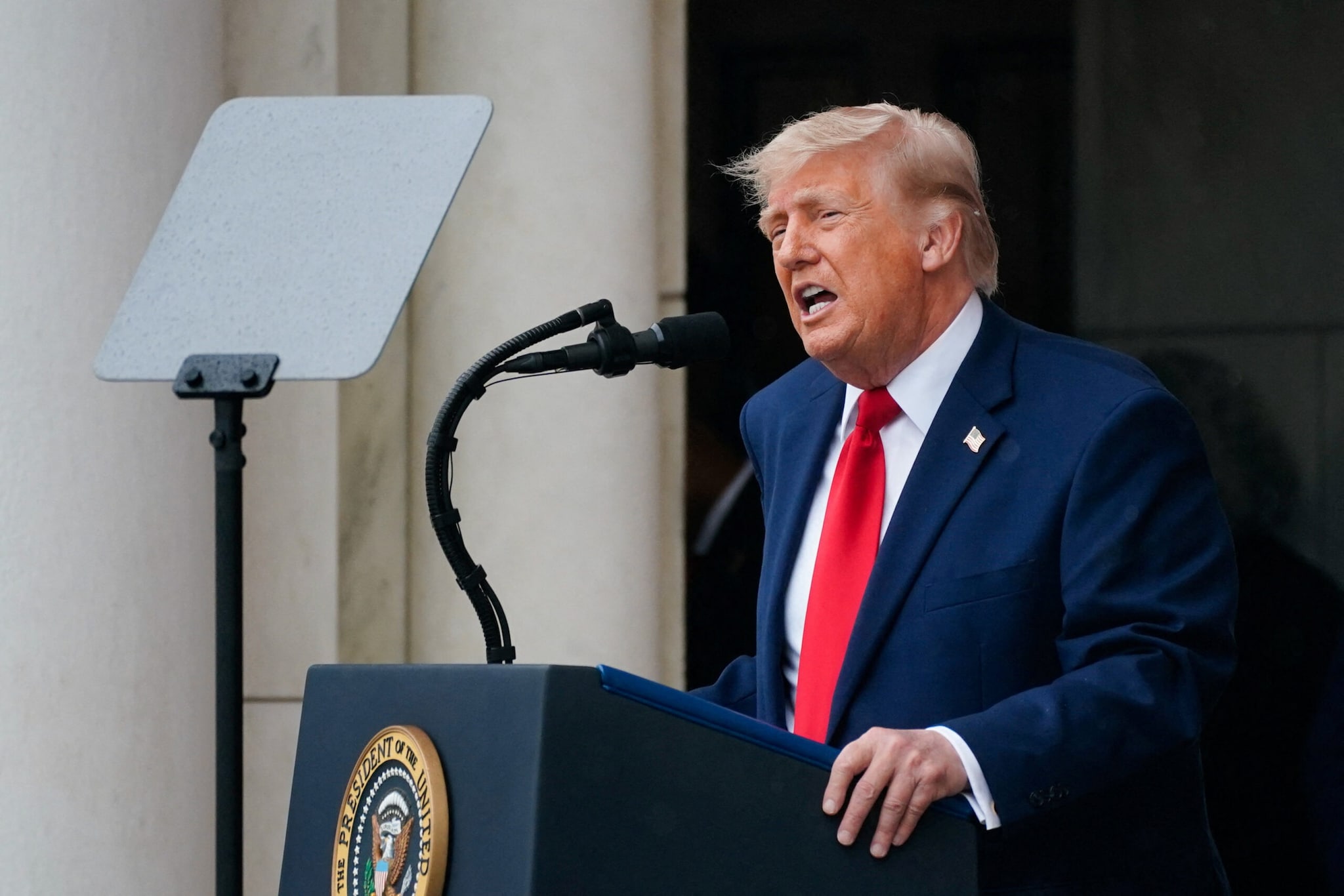
The confirmation came straight from the top. Speaking on the conservative podcast "Pod Force One" with Miranda Devine, Trump openly acknowledged the expletive-laden phone call that stopped an imminent Israeli bombardment of Beirut. While he tried to soften the blow by claiming he was just "a little bit perturbed," the leaks from inside the room tell a much more brutal story.
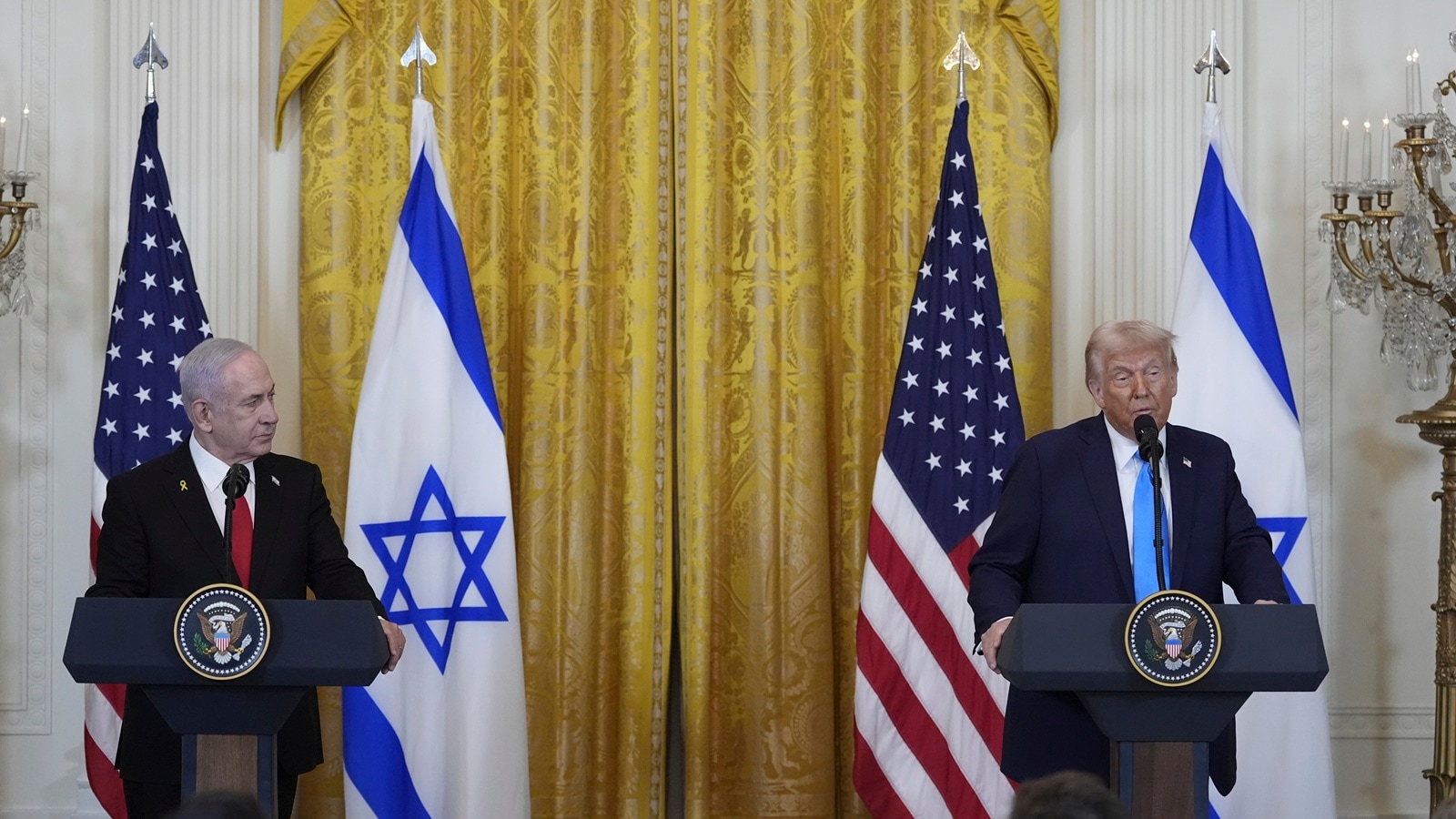
According to reports initially published by Axios, Trump didn't just call Netanyahu crazy. He allegedly told the Israeli Prime Minister that he would be in prison if it weren't for him, adding that "everybody hates Israel because of this."
It's a massive fracture in the facade. And if you want to understand where Middle Eastern geopolitics are actually heading, you need to look past the standard diplomatic cleanup job.
The Secret Battle Over Iran and Lebanon
This wasn't a random emotional outburst. It was a direct clash of competing wartime agendas.
Right now, the Trump administration is deeply entangled in delicate, high-stakes peace talks with Iran. The negotiations are fragile, especially with Iran's new Supreme Leader, Mojtaba Khamenei, taking the reins after his father was killed in a joint U.S.-Israeli airstrike. Trump wants a deal. He wants the Strait of Hormuz reopened for oil shipments, and he wants it done quickly.
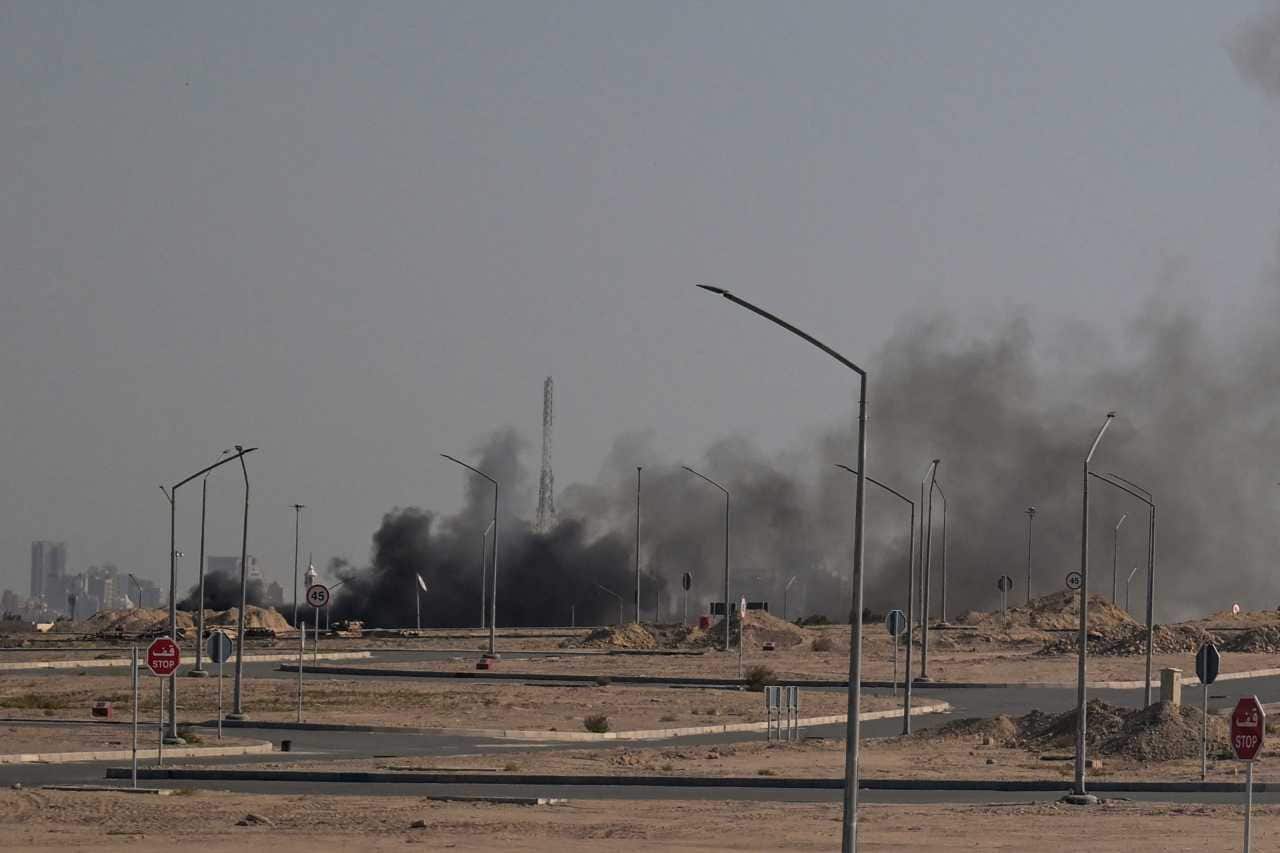
Netanyahu, meanwhile, has his eyes fixed on Lebanon. Facing intense domestic pressure over Hezbollah rocket fire hitting northern Israel, the Israeli Prime Minister ordered a massive escalation. He told his troops to strike Hezbollah "relentlessly" and prepared a devastating bombing campaign targeting the dense, urban neighborhoods of southern Beirut.
To Trump, that wasn't just a military operation. It was a wrench thrown directly into his Iranian peace machine.
Tehran has made it explicitly clear that any truce with the U.S. is dead on arrival if Israel keeps pounding Lebanon. When Netanyahu moved forward with the Beirut plans, Iran abruptly paused indirect negotiations with Washington. Trump, seeing his signature foreign policy goal slipping away, picked up the phone and lost his temper.
The strategy worked, at least temporarily. Hours after the explosive call, Netanyahu backed down and called off the Beirut airstrikes. A shaky, U.S.-brokered understanding was reached: Israel avoids the capital, and Hezbollah holds back on hitting northern Israel. But the fundamental disagreement hasn't vanished. It's just simmering under the surface.
Understanding the Leverage in the Room
When Trump allegedly told Netanyahu "there would be no Israel if it wasn't for me," he wasn't just bragging. He was layout out the brutal reality of their relationship.
Trump views his support for Israel as entirely transactional. During his first term, he delivered everything on the Likud party's wishlist: moving the U.S. Embassy to Jerusalem, recognizing sovereignty over the Golan Heights, and tearing up the Iran nuclear deal. In Trump's mind, these weren't just policy shifts. They were personal favors that bought him lifetime compliance.
Netanyahu sees things differently. He plays a weak domestic hand by acting like the only man who can manage Washington. But his political survival relies on keeping the domestic hardliners in his coalition happy. If he looks like he's taking dictation from the White House, his government collapses.
That's why Netanyahu immediately went on CNBC to downplay the rift, calling Trump "the greatest friend that Israel has ever had in the White House" while framing the explosion as mere "tactical disagreements."
Don't buy the spin. This isn't a minor disagreement over tactics. It's a fundamental clash of egos and objectives.
- Trump's Goal: Secure a rapid, historic peace deal with Iran, stabilize global oil markets, and exit the conflict as a master dealmaker.
- Netanyahu's Goal: Eliminate the Hezbollah threat completely, rewrite the security map of southern Lebanon, and maintain his political survival at home.
When those two paths cross, the friendship evaporates.
The Domestic Fallout for Both Leaders
The ripple effects of this phone call are already tearing through Israeli politics. Netanyahu's rivals smelled blood the moment the Axios report leaked.
Gadi Eisenkot, leader of the Yashar party and a major contender in the upcoming Israeli election, publicly slammed Netanyahu for "capitulating" to American pressure. For a prime minister who builds his entire brand on strength, being accused of bowing to a furious late-night phone call from Washington is a devastating political blow.
On the flip side, Trump's base isn't entirely aligned on this either. While hardline neoconservatives want Israel to have a totally blank check in Lebanon, Trump's core "America First" supporters are deeply allergic to endless foreign entanglements. They want the oil flowing, they want the troops home, and they want the regional wars settled. Trump knows this. He isn't acting out of sudden pacifism; he's acting out of raw political calculation.
What Happens Next on the Ground
If you're watching this situation develop, stop looking at the joint press releases and start tracking the actual military movements. The Beirut strikes might be paused, but the broader war hasn't stopped.
- Watch the Southern Lebanon Ground War: Israel is still pushing forward with ground operations and localized airstrikes below the Litani River. Netanyahu will try to achieve his goals without triggering another White House meltdown.
- Monitor the Strait of Hormuz: Trump hinted that the shipping lanes could remain blocked through the Labor Day holiday in September. If negotiations with Iran don't resume soon, expect the U.S. to turn the economic screws on Tehran tighter.
- Track Israeli Election Polls: If Netanyahu's numbers drop because he looks weak against Washington, he might be forced to launch a risky military action just to prove his independence, regardless of what Trump says.
The reality of modern geopolitics is that alliances are rarely built on genuine friendship. They are built on shared leverage and temporary alignment of interests. Right now, those interests are pulling apart. Trump wants to wrap up the war; Netanyahu needs to keep fighting it. The next time the phone rings, "crazy" might be the tamest word used.