We were hours away from a massive escalation. Then everything changed.
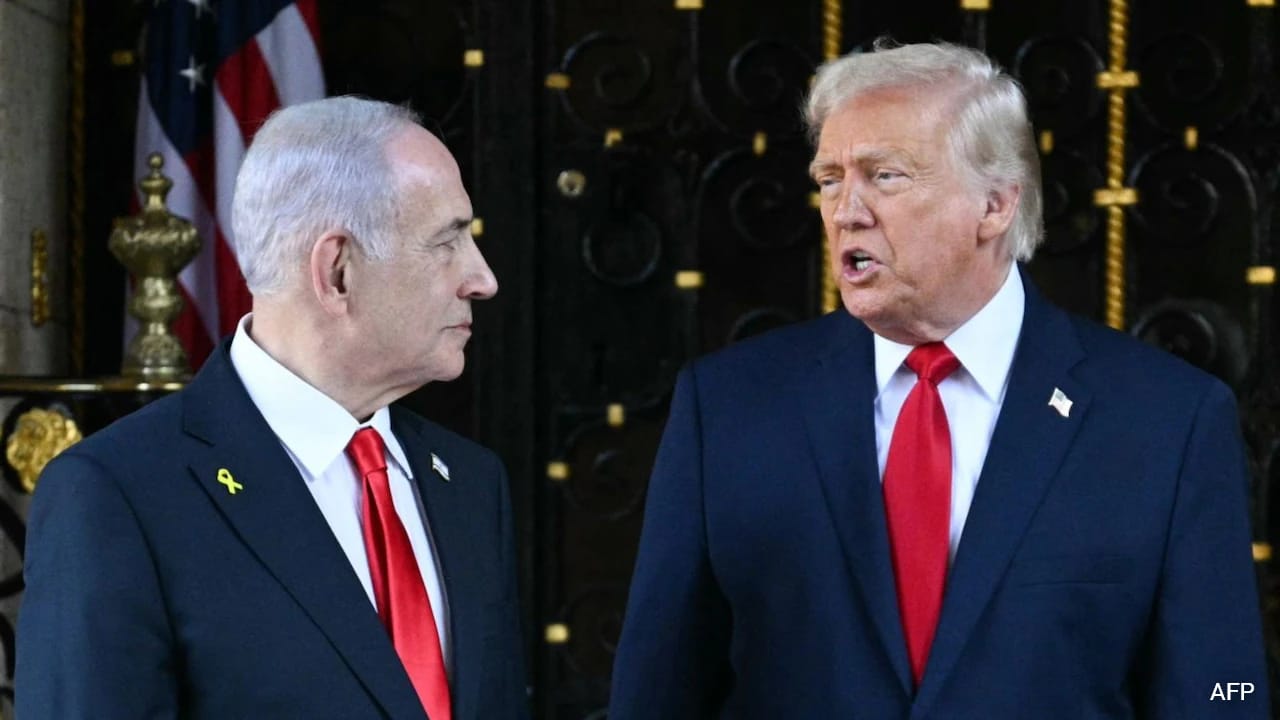
US President Donald Trump announced a sudden halt to planned military strikes against Iran. The reason? A claim that broad parameters for an agreement have finally been reached. Alongside Israeli Prime Minister Benjamin Netanyahu, Washington is holding off on the trigger. But anyone who has watched this five-month regional conflict knows that verbal promises rarely match ground realities.
Let's look past the social media declarations and examine what this temporary reprieve actually means for the Middle East, the global economy, and the fragile state of international diplomacy.
What the Proposed Parameters Actually Entail
Trump took to his preferred digital platform to announce that the US had been locked and loaded for a massive offensive. According to his statements, regional intermediaries and Iranian channels intervened with a request to hold off.
The core components of this emerging framework sound familiar to anyone tracking the crisis:
- The immediate, complete, and total opening of the Strait of Hormuz.
- A definitive end to Iran's nuclear weapons threat.
- A joint commitment from Israel to back the diplomatic track, subject to rapid execution.
Energy markets were bracing for a brutal Monday morning opening. The threat of American and Israeli bombers hitting Iranian energy infrastructure had traders sweating. By calling off the immediate attack, Washington has bought some breathing room for global markets. Yet, previous ceasefire frameworks in June collapsed within weeks. Skepticism remains the only rational stance.
The Disconnect Between Public Posturing and Backchannel Talks
If you pay attention only to official state media in Tehran, you see a government warning of a decisive response to any Western aggression. Senior Iranian lawmakers routinely accuse Washington of psychological warfare. They claim the US threatens massive force publicly while frantically begging for diplomatic openings behind closed doors.
Truth is, both things can happen at once.
Diplomacy in the Middle East rarely follows a straight line. Regional mediators from nations like Qatar and Oman have logged thousands of frequent-flyer miles carrying messages back and forth. Tehran needs economic survival. Washington wants a secure shipping lane and a neutralized nuclear enrichment program. Netanyahu wants assurances that proxy threats on Israel's borders will permanently cease.
When these competing demands collide, parameters get discussed. But drafting parameters is a far cry from signing a binding treaty.
Why Previous Deals Fell Apart So Fast
June felt like a turning point when announcements rang out about a peace framework mediated by Pakistan and Qatar. Officials promised signatures in Switzerland. Naval blockades were supposed to lift.
It fell apart because enforcement mechanisms were weak and ground actions continued. Israeli forces kept pressing targets in Lebanon and Gaza, arguing that defensive operations against proxies like Hezbollah cannot wait for desk diplomats to finish paperwork. Iran balked at implementing terms while bombs still dropped nearby.
This new pause faces the exact same trap. A deal to open the Strait of Hormuz cannot survive if kinetic strikes resume over minor violations or localized skirmishes.
What Happens When the Markets Open
Financial institutions are breathing a collective sigh of relief today, but the anxiety hasn't vanished. State Department security alerts are still active across US embassies in Bahrain, Iraq, Jordan, Qatar, and the UAE, urging citizens to prepare for sudden airspace closures.
Governments do not keep emergency travel warnings active if they truly believe a lasting peace is locked in. They keep them active because a miscommunication in the Persian Gulf can turn a diplomatic breakthrough into a shooting war in under ten minutes.
Keep a close eye on the speed of actual implementation. If tanker traffic resumes freely through the Hormuz bottleneck without Iranian interference, the parameters have teeth. If Tehran stalls while trying to negotiate sanctions relief without giving up core enrichment safeguards, expect the bomber fleets to spin up their engines again before the month ends.
Watch the actions on the water, ignore the noise on the feeds, and prepare for a volatile week ahead.