Donald Trump doesn’t have a plan for Iran. He has a reflex. If you’re looking for a coherent, multi-stage strategy to transition a post-theocratic Tehran into a stable regional partner, you won't find it in the current administration’s playbook. Instead, what we’re seeing is a high-stakes gamble that mistakes "breaking things" for "building something."
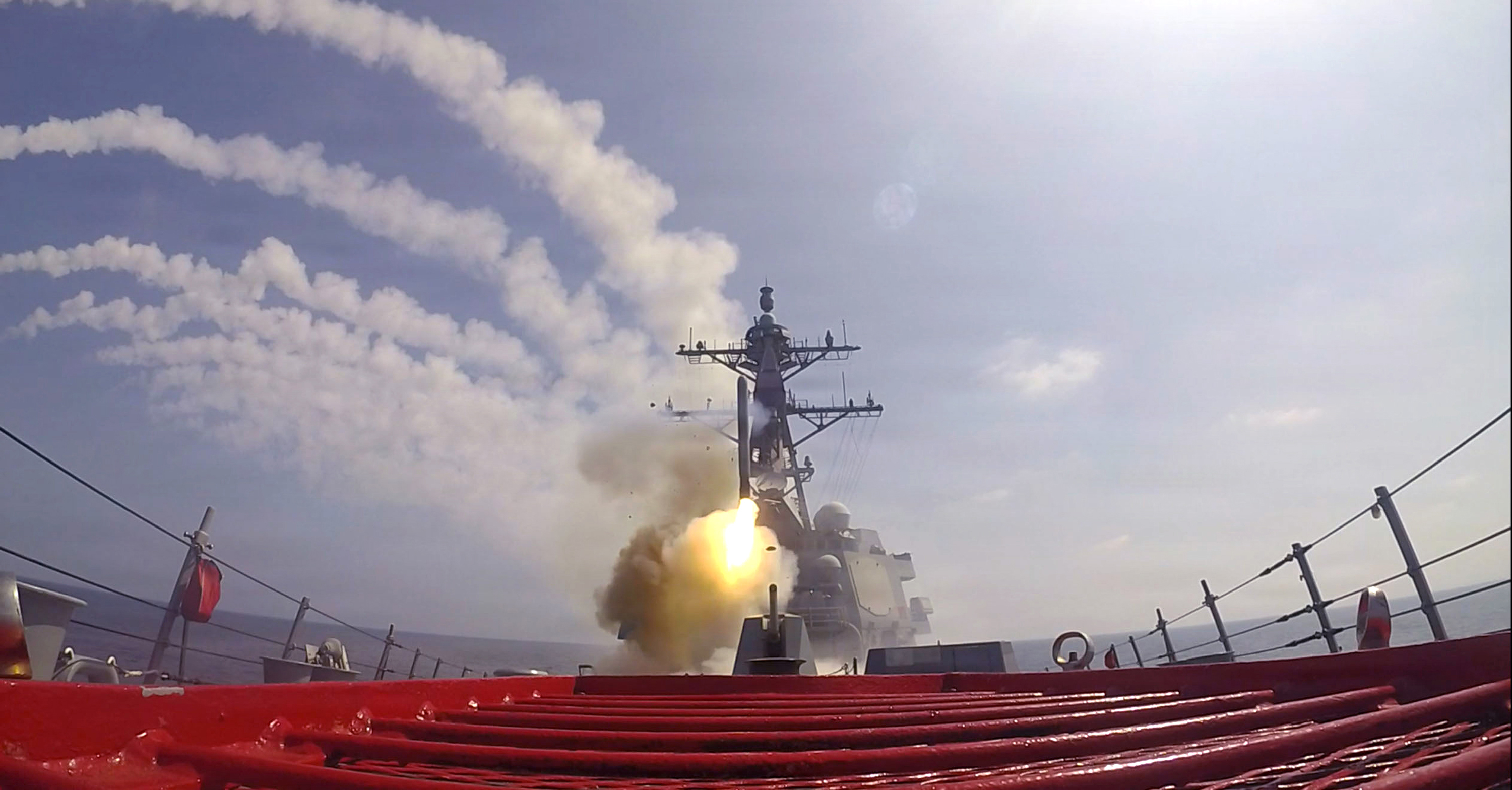
The White House recently announced Operation Epic Fury, a massive military campaign aimed at "eliminating the imminent nuclear threat." This follows the June 2025 airstrikes that already battered Iranian facilities. It sounds decisive. It sounds strong. But strength without a destination is just a circle, and right now, the U.S. is spinning.
The Strategy of Strategic Submission
The administration’s stated goal isn’t necessarily regime change in the 2003 Iraq sense—at least not officially. They call it "strategic submission." The idea is to apply so much pressure, via 25% trade tariffs on anyone doing business with Tehran and localized "decapitation" strikes, that the leadership simply folds.
But here’s the reality check. You can’t "submit" a regime that views its own survival as a holy mandate. By killing Supreme Leader Ali Khamenei, the U.S. and Israel haven't just removed a dictator; they've created a vacuum in a country with a 3,000-year history of nationalism. Expecting the Iranian "Axis of Resistance" to just go home because their boss is gone is peak wishful thinking.
Why Maximum Pressure is Hit a Wall
We’ve been here before. The "Maximum Pressure" campaign of Trump's first term crippled the Rial, but it didn't stop the centrifuges. By 2026, the situation has only grown more volatile.
- The Nuclear Myth: Trump claims the June 2025 strikes "obliterated" the program. Experts at the Arms Control Association disagree. Iran still holds roughly 400 kilograms of 60% enriched uranium. That’s enough for several weapons if they decide to cross the finish line.
- The Proxy Problem: While Israel has hammered Hezbollah and the Houthis, these groups are hydras. They don't need a central command in Tehran to launch retaliatory strikes on U.S. bases in Qatar or oil tankers in the Strait of Hormuz.
- The Economic Fallout: Trump’s move to tie trade tariffs to Iran policy is a desperate attempt to force China and India to stop buying Iranian oil. It’s a "trade punishment" strategy that risks spiking global oil prices to $130 per barrel. If you think inflation was bad in 2024, wait until you’re paying $6 a gallon because of a "limited" war in the Gulf.
The Missing "Day After"
What happens if the regime actually collapses tomorrow? The administration has no answer. Secretary of State Marco Rubio admitted to the Senate Foreign Relations Committee in January 2026 that the future of Iranian leadership is an "open question."
We’re essentially repeating the mistakes of the early 2000s:
- Target the top leadership.
- Destroy the infrastructure.
- Assume a pro-Western democracy will magically emerge from the rubble.
There is no plan for the millions of civil servants, the IRGC remnants who will inevitably pivot to insurgency, or the massive humanitarian crisis a collapsed Iran would trigger. Trump’s "Make Iran Great Again" rhetoric is a catchy slogan, but it’s not a reconstruction policy. It’s a marketing pitch for a product that doesn't exist.
The Diplomacy Trap
The most frustrating part? Diplomacy was actually moving the needle. Before Operation Epic Fury launched, Omani mediators claimed a breakthrough was possible in Geneva. Iran was reportedly willing to accept permanent constraints on enrichment in exchange for specific sanctions relief.
Trump walked away. He prefers the "unpredictability" factor, believing it gives him more leverage. But unpredictability is only a tool if the other side knows what they have to do to make the pressure stop. When the demand is "total submission or total destruction," there’s no incentive for the target to negotiate. They’ll just fight until the end.
What Needs to Change Immediately
If the U.S. wants to avoid another "forever war," the current path needs a massive course correction. Strength is useless if it isn't tethered to a realistic diplomatic off-ramp.
- Define "Success": The White House needs to state exactly what a "non-hostile" Iran looks like in concrete terms, beyond just "they stopped being bad."
- Engage Regional Allies: Relying solely on Israel for intelligence and strike coordination alienates the Gulf states (Saudi Arabia, UAE) who will be the first ones hit by Iranian retaliation.
- Acknowledge the Internal Opposition: Trump’s Truth Social videos telling Iranians to "take over your institutions" are dangerous. Without actual U.S. support on the ground—which Trump has promised to avoid—he’s just baiting Iranian civilians into a slaughter.
Instead of cheering for the next round of "Epic" strikes, start asking the hard questions about what happens when the dust settles. If the goal is a safer world, we're currently heading in the opposite direction.
Keep a close eye on the Strait of Hormuz shipping rates and the Brent Crude index over the next 72 hours. These are the real indicators of whether Trump’s gamble is paying off or if we’re about to pay a very high price for a plan that never existed.