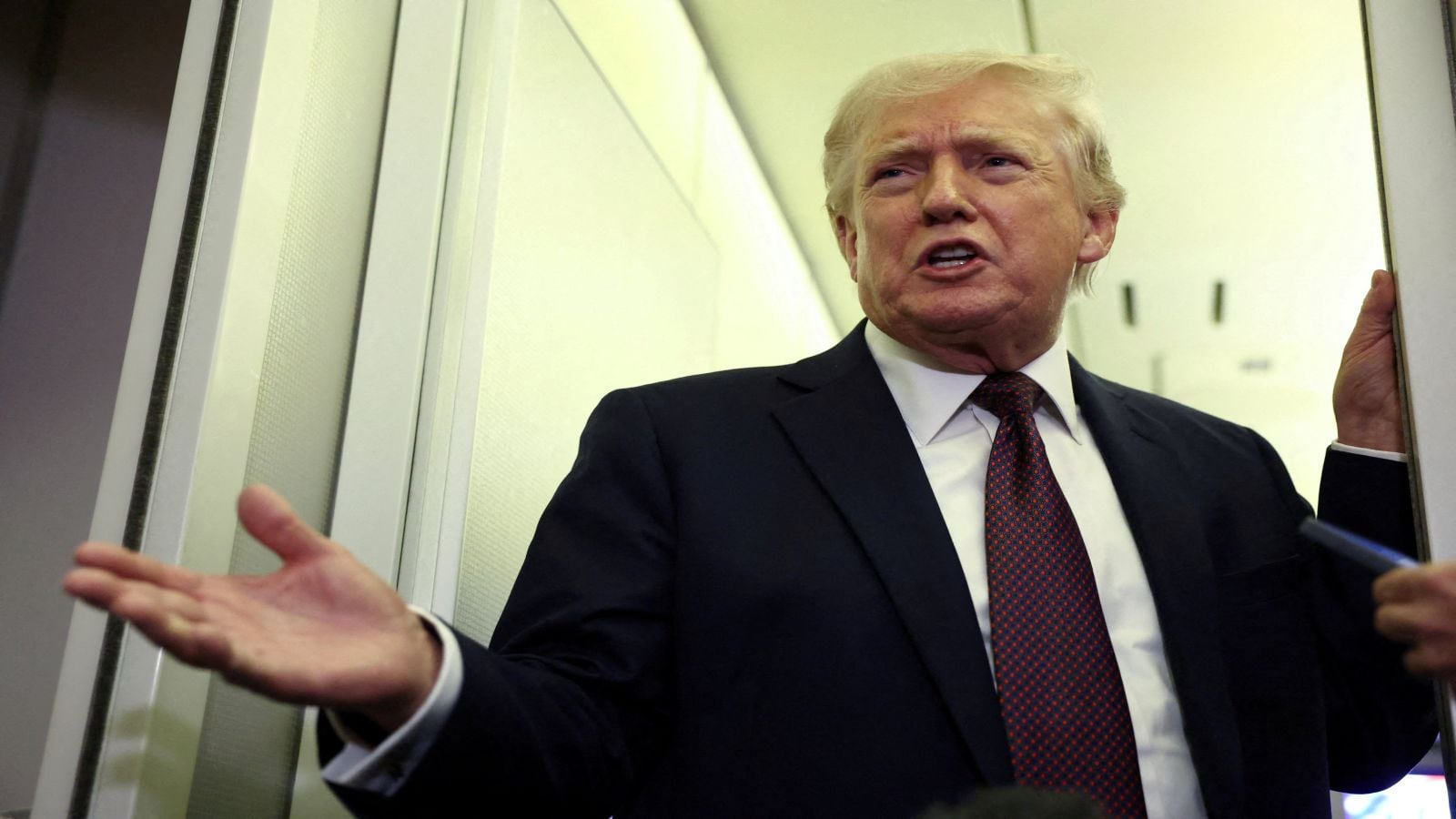
Donald Trump just blinked. Or maybe he just found a better deal.
The White House changed course after a frantic round of regional diplomacy, halting what looked like an imminent military escalation. Trump announced on social media that he would hold off on fresh attacks against Iran. Why? Because regional intermediaries whispered magic words into Washington's ear. The parameters of a sweeping settlement might finally exist.
If you've been tracking the volatile five-month conflict, this abrupt shift feels familiar. But the stakes right now are entirely different.
The Pressure That Forced the Pause
Military might alone hasn't fixed the Persian Gulf. Trump spent the days leading up to this announcement threatening severe retaliation following an attack on a United States base in Jordan. White House press officials openly accused Tehran of shattering previous memorandums of understanding by targeting commercial shipping lanes and American service members.
Jets were practically fueled. Regional commands were ready. Then the phones started ringing.
Saudi Crown Prince Mohammed bin Salman jumped on a call with Trump to urge restraint, fearing regional energy infrastructure would turn to ash if the United States launched massive bombardments. Saudi diplomats dispatched defense ministers straight to Washington. At the same time, regional partners conveyed messages from Tehran indicating a willingness to talk terms.
Trump framed the temporary halt around specific concessions. The agreement must guarantee the total opening of the Strait of Hormuz and definitively dismantle the Iranian nuclear threat. He posted that the United States remains locked and loaded, but paused the assault to see if regional actors can actually deliver signatures on paper.
Why Quick Deals Usually Fail in the Middle East
Everyone loves a fast diplomatic win. Diplomacy rarely works that way, especially under ultimatums.
Past interim agreements in this conflict collapsed within weeks. Iran resumes shipping harassment. Washington responds with strikes. Trust evaporates.
The core friction points haven't magically vanished overnight:
- Iran wants frozen assets released, while Washington demands strict caps on uranium enrichment.
- Israel insists on a permanent military containment strategy, pushing back against any arrangement that leaves Tehran's proxy networks intact.
- Regional monarchies want stability to protect tourism and oil futures, making them desperate mediators willing to pressure both sides into bad compromises just to stop the bleeding.
Trump's demand for a rapid deal runs straight into the bureaucratic wall of Iranian domestic politics. Hardliners in Tehran rarely move fast unless staring down absolute ruin. Even if the parameters are sketched out, ironing out verification mechanisms takes months, not days.
What Happens When the Clock Runs Out
Trump's patience has a short shelf life. If negotiators drag their feet or try to water down the terms regarding the Strait of Hormuz, the military option returns instantly. State Department security alerts are already blanketing ten countries across the Middle East, warning citizens about potential flight cancellations and airspace closures. Embassies aren't prepping for peace just yet. They're bracing for impact.
Keep your eyes on the actual text of whatever framework emerges. If it lacks teeth, it will collapse like the last one. If it holds, it reshapes the entire map. Watch the shipping data out of the gulf. That is where the truth lives.