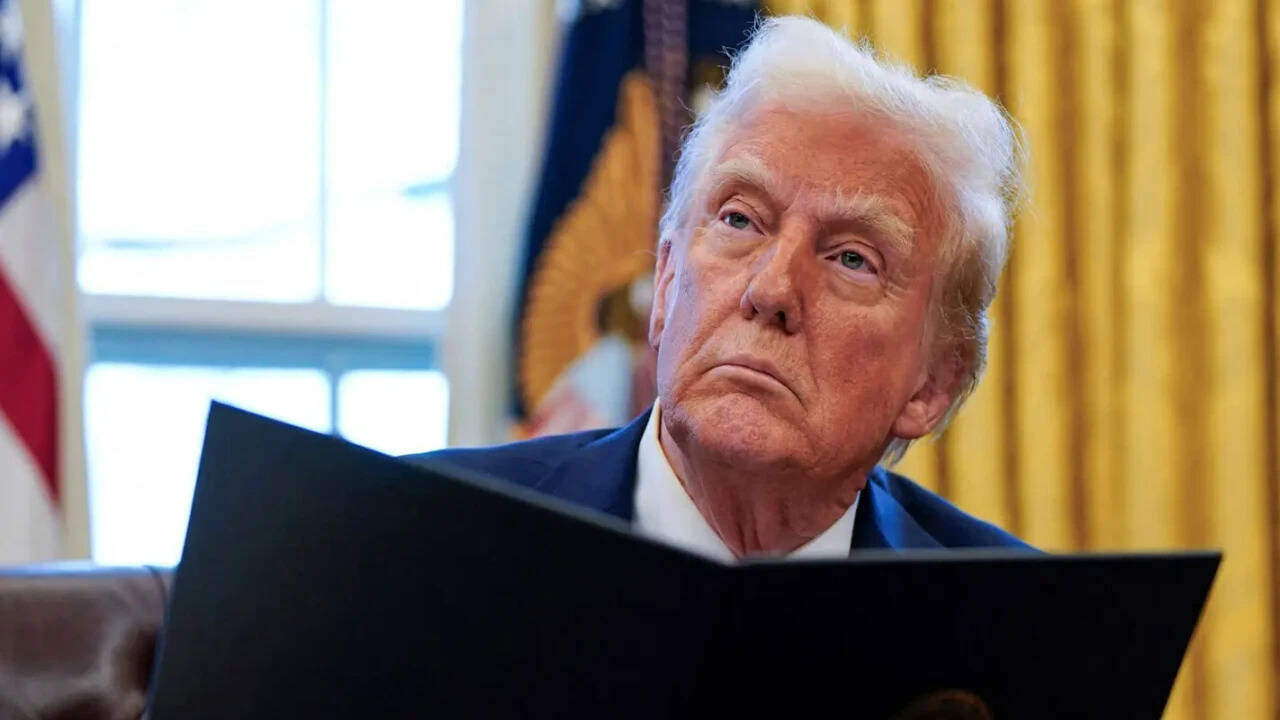
Donald Trump just threatened to completely choke off trade with Spain, called them a terrible partner, and then praised them as very generous hours later.
If you feel dizzy watching this unfold at the NATO summit in Ankara, you aren't alone. It’s a classic page from a well-worn playbook. Trump uses extreme economic threats to squeeze immediate financial commitments out of European allies, walks away claiming total victory, and leaves everyone else to figure out what actually changed.
The whiplash was spectacular even by summit standards. On Wednesday morning, Trump stood alongside NATO Secretary General Mark Rutte and scorched Madrid. He was furious over Spain’s refusal to back the military campaign against Iran and its rejection of a new 5% GDP defense spending target by 2035. He told Treasury Secretary Scott Bessent to cut off all trade, including tourist visits.
By Thursday, aboard Air Force One, the storm had passed. Trump told reporters that Spain came back all the way and honored a request for lots of payments.
What actually happened in those crucial hours behind closed doors reveals how modern transatlantic diplomacy functions under pressure.
The Core Math Behind the Madrid Meltdown
Trump’s anger centers on defense targets. The old NATO baseline required member states to spend 2% of their gross domestic product on defense. Spain historically lagged far behind, spending a meager 0.98% back in 2017.
Prime Minister Pedro Sanchez has aggressively ramped up that budget. Madrid more than doubled its nominal defense spending to nearly €33 billion, hitting roughly 2.1% of GDP.
The current friction exists because the goalposts moved. The US administration wants a massive escalation to 5% of GDP by 2035. Spain explicitly rejected this, noting that hitting a 5% target would force catastrophic cuts to domestic social benefits. Spain even secured a specific exemption to cap its baseline closer to its current levels.
When Trump arrived in Ankara, that exemption meant very little to him. He demanded immediate compliance, using the threat of a total trade embargo under the International Emergency Economic Powers Act to force Madrid's hand.
What Spain Actually Agreed to Pay
To get Trump to back down, the Spanish delegation had to offer an immediate financial win. While the exact operational details remain murky, Spanish officials allowed Trump to frame their current military trajectory as a fresh concession.
Sanchez pointed directly to the massive cash surge that brought Spain up to €33 billion this year. Madrid also offered concrete operational commitments, including deploying fresh Spanish troops to Finland for NATO’s Arctic Sentry mission.
The strategy worked perfectly. It allowed Trump to claim his hardline stance extracted a major payment request that redeemed the country.
Spanish diplomats viewed the entire theater as a staged fight. They knew the economic reality made a total trade embargo almost impossible to implement.
The Economic Reality Trump Ignored
A full trade war with Spain would quickly backfire on American companies. The corporate ties between the two nations are deeply intertwined, particularly in high-tech sectors.
- Tech Infrastructure: Amazon and Microsoft have poured billions of dollars into massive data centers in Spain’s Aragon region.
- Trade Deficit: Spain actually runs a trade deficit with the US, meaning American businesses sell more to Spain than they buy.
- EU Protections: As an EU member, Spain doesn't negotiate separate bilateral trade treaties with Washington. A full trade embargo on Spain would trigger immediate, mandatory retaliatory tariffs from the entire European block against American goods.
While US federal agencies are preparing a menu of specific Spanish products for potential targeted tariffs, like the 30% duties slammed onto Spanish black olives during Trump's first term, a total economic freeze was never realistic.
Navigating the Volatile Geopolitics of Europe
If you run a business relying on European imports or manage investments sensitive to transatlantic stability, you have to look past the aggressive summit rhetoric.
Don't panic when headlines scream about immediate trade cutoffs. These public outbursts are leverage tools designed to extract defense budget increases.
Keep your eyes on the actual policy implementation. Watch how the Treasury Department handles the targeted product list in the coming weeks. The real economic impact rarely matches the theatrical threats made on the summit floor.
The shift from public economic warfare to praise shows that European defense policy is no longer just about military strategy. It is a transactional financial negotiation where showing immediate budgetary growth is the only way to keep the peace with Washington.



