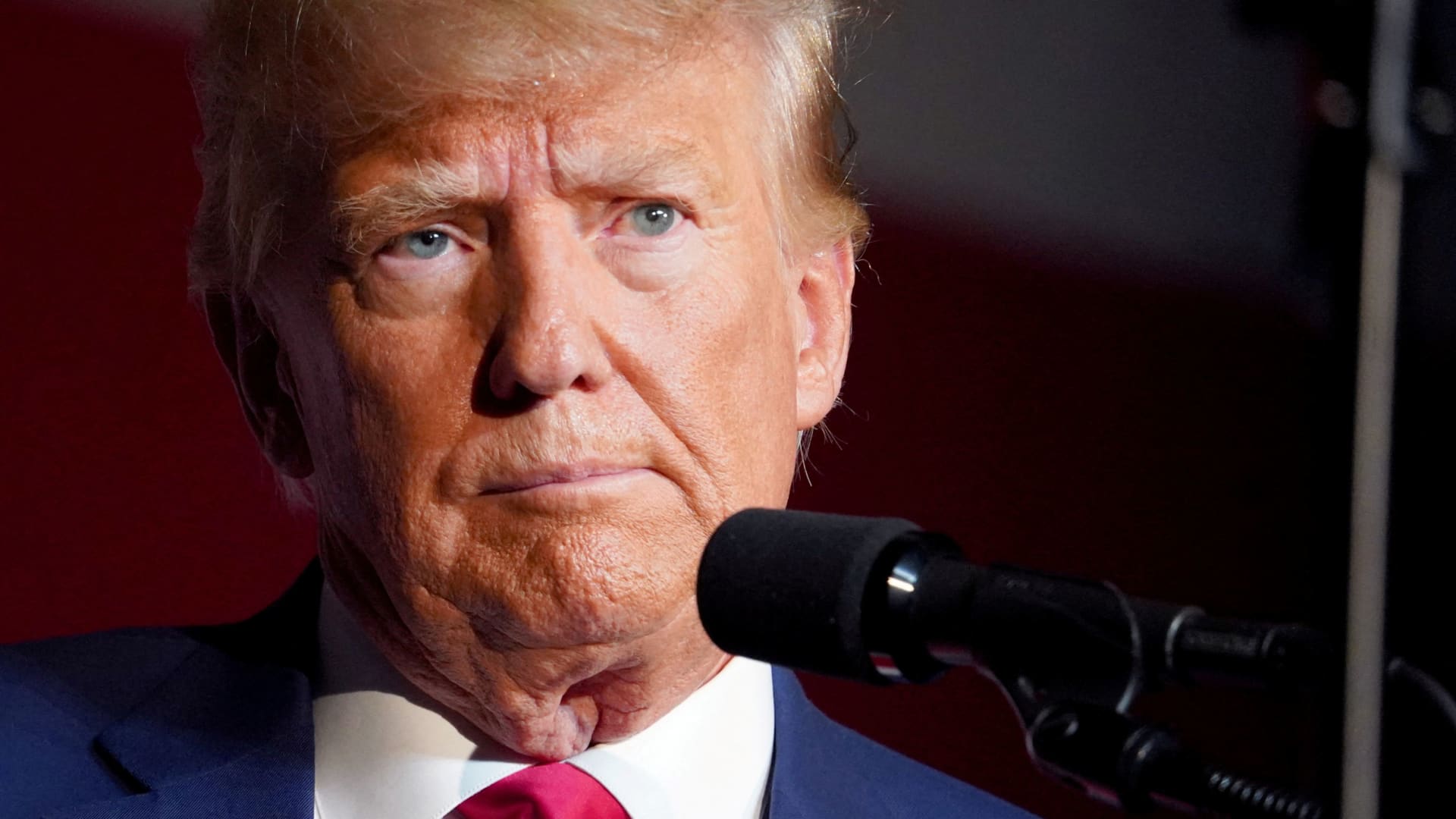
Donald Trump doesn’t care if Iran signs a new nuclear deal or not. That sounds like typical campaign bluster, but if you look at the leverage he’s built since returning to the White House, it’s actually a cold calculation of reality. While diplomats in Muscat and Rome scramble to find a middle ground, Trump’s message to Tehran is blunt: make a deal and get rich, or don't, and watch your economy turn to dust.
His logic is simple. He thinks the U.S. has already won the "pressure" phase of this standoff. With Iran’s oil exports plummeting toward zero and secondary sanctions hitting anyone from China to India who dares to buy a drop, the White House feels it holds all the cards. Trump’s stance isn’t just about being tough; it’s about a fundamental shift in how the U.S. views the Islamic Republic’s future.
The leverage game behind the no difference rhetoric
When Trump says it "makes no difference," he's telling the Iranian leadership that the U.S. isn't the one in a hurry. You’ve got a country facing daily blackouts and a currency that’s essentially a souvenir. Meanwhile, the U.S. is sitting on a massive military presence in the region, including the forces behind Operation Midnight Hammer, which targeted nuclear infrastructure earlier this year.
The strategy is "Maximum Pressure 2.0," and it's far more aggressive than the 2018 version. Back then, there was still some hope in Europe that the JCPOA could be saved. Today, that hope is dead. France, Britain, and Germany are even threatening to trigger the "snapback" mechanism to bring back every single UN sanction before the October 2025 deadline. Trump knows that if a deal happens, it’ll be on his terms—meaning no enrichment, no ballistic missiles, and no more funding for regional proxies like Hezbollah or the Houthis.
Why the Muscat and Rome talks are stalled
We’ve seen two rounds of talks so far in 2025. One in Muscat and one in Rome. U.S. envoy Steve Witkoff and Iranian Foreign Minister Abbas Araghchi haven't even sat in the same room. They’re using Omani mediators to pass notes like kids in a middle school cafeteria.
Iran's big sticking point is "nuclear sovereignty." They want to keep their centrifuges spinning. Trump’s team, including figures like Marco Rubio, has made it clear that enrichment is a non-starter. They want the full dismantling of the program. This is the "fantasy" that Iranian advisor Ali Shamkhani keeps talking about.
But here’s what most people miss: Trump is also playing a psychological game with the Iranian leadership. By saying he’s open to a "new supreme leader" or praising the Iranian people while crushing the regime's wallet, he’s trying to create internal pressure. He’s betting that the Iranian government will eventually have to choose between survival and their nuclear ambitions.
What a deal would actually look like in 2026
If a deal actually gets signed, don't expect it to look like the 2015 agreement. Trump has no interest in "sunsets" where restrictions expire after a few years. He wants a permanent ban.
- Full Nuclear Exit: No uranium enrichment on Iranian soil. Period.
- Regional De-escalation: A verifiable end to the "Axis of Resistance" funding.
- The "Great Country" Incentive: Trump repeatedly says he wants Iran to be "successful" and "rich as hell." This is the carrot. If they give up the nukes, he’s ready to open the floodgates of American investment.
Honestly, the risk for Iran is that they wait too long. If the U.S. continues its military strikes on energy infrastructure, there won't be much of an economy left to save. Trump is essentially telling them that the clock isn't ticking for him—it's ticking for them.
The Strait of Hormuz and the oil factor
The most immediate flashpoint isn't a lab in Natanz; it's a waterway. Trump has been posting on social media that Iran is doing a "dishonorable job" of letting oil through the Strait of Hormuz. There are reports of Tehran charging "fees" to tankers, which is basically state-sanctioned piracy.
The U.S. has threatened "extensive attacks" on Iranian energy sites if the strait isn't fully reopened and free of tolls by mid-April. This is where the "no difference" stance gets dangerous. If Trump feels he can achieve his goals through military force and economic strangulation without a single signature on a piece of paper, he might just do that.
You should keep a close eye on the secondary sanctions coming out of the Treasury Department. If you're involved in international trade, the "Know Your Customer's Customer" standard for Iran-related transactions is now the law of the land. The U.S. isn't just looking for direct violators anymore; they're going after the entire supply chain.
For Iran, the choice is becoming painfully narrow. They can accept a deal that strips them of their nuclear program but saves their economy, or they can keep their centrifuges and watch their infrastructure crumble under "Maximum Pressure." Trump is fine with either outcome because, in his mind, the U.S. remains the only superpower at the table.