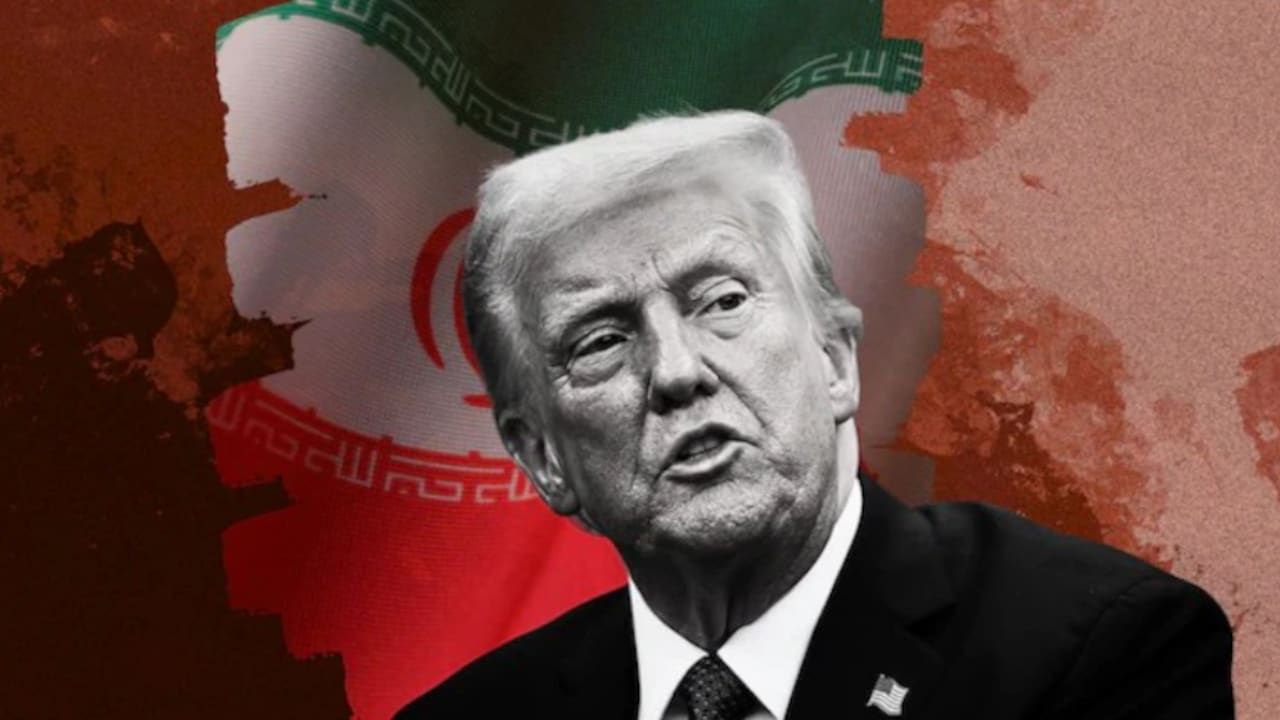
Donald Trump just declared his massive geopolitical showdown over. Over the weekend, the White House announced a surprise memorandum of understanding with Tehran, with Trump proclaiming the deal is complete. On paper, it looks like a staggering reset. The deal aims to end a brutal 100-day shooting war that started in February 2026, dismantle the naval blockade crippling the Persian Gulf, and establish a permanent cessation of military operations on all fronts.
But don't pop the champagne just yet.
The ink isn't even dry on the draft, and this entire diplomatic gamble is already fracturing along two critical fault lines: the war rooms of Jerusalem and the narrow shipping lanes of the Strait of Hormuz. While Pakistani and Qatari mediators are celebrating a 60-day extension to the fragile April ceasefire, the reality on the ground tells a completely different story.
This pact isn't a final victory. It's a high-stakes band-aid that ignores the true motives of the region's main players. If Trump thinks he can simply order the global energy markets back to normal, he is miscalculating how little control he actually possesses over Israel's security calculations and Iran's long-term asymmetric strategy.
The Netanyahu Veto in Lebanon
The most glaring flaw in Trump's announcement is that his closest ally in the region refuses to play along. The tentative agreement, mediated intensely by Pakistan's Prime Minister Shehbaz Sharif and Qatari diplomats, explicitly calls for an immediate end to military operations in Lebanon.
Israel's response? Absolutely not.
Almost immediately after Trump took to social media to celebrate the opening of the Strait of Hormuz, Israeli Prime Minister Benjamin Netanyahu threw a wrench into the gears. Jerusalem made it clear to the White House that Israel does not consider itself bound by the Lebanon-related clauses of this agreement.
Over the last two and a half years of escalating regional conflict, Israel has seized roughly 1,000 square kilometers of territory across Gaza, Syria, and southern Lebanon. Israeli Defense Minister Israel Katz stated bluntly that Israeli troops intend to stay in those seized territories indefinitely.
This creates an immediate, fatal contradiction for the deal. Consider the math:
- Trump's deal guarantees a halt to military actions against Hezbollah.
- Israel is actively bombing Beirut's southern suburbs and vows to hold onto Lebanese land.
- Iran has explicitly tied any long-term cooperation to a total halt of Israeli strikes on its proxies.
You don't need a degree in international relations to see the problem here. If Israel keeps striking Hezbollah inside Lebanon, Iran's hardliners will have all the justification they need to tear up their copy of the agreement before the official signing ceremony in Switzerland on June 19.
The Illusion of a Free Strait of Hormuz
Trump's most enthusiastic directive over the weekend was aimed at the global energy sector, telling the ships of the world to start their engines and let the oil flow. The agreement outlines a 60-day window where Iran will supposedly clear mines and allow toll-free transit through the Strait of Hormuz, a narrow choke point responsible for a fifth of the world's daily oil and gas supply.
But let's look at what actually happened over the last few months. By successfully shutting down the strait during the recent conflict, Tehran proved it has the capability to inflict severe economic pain on the West. They didn't just threaten; they executed. They successfully disrupted global markets and drove Washington to the negotiating table.
Why would Iran permanently surrender its most powerful leverage?
The current deal gives Iran a temporary reprieve from a devastating American-Israeli bombing campaign and eases the immediate threat of a full U.S. naval blockade. Analysts from groups like the International Crisis Group point out that this agreement functions as a temporary painkiller for Iran's deeply broken domestic economy. It gives them breathing room.
But it doesn't solve the underlying issue. Iran's Deputy Foreign Minister Kazem Gharibabadi openly admitted that the text was drafted in an atmosphere of continued distrust. The 60-day window is a test of endurance, not a conversion to peace. Tehran knows that the moment they give up their ability to threaten the Strait of Hormuz, they lose their only real defense against Trump's reinstated maximum pressure sanctions.
The Illusion of Total Surrender
During the initial phase of Trump's return to the presidency in 2025, his administration demanded nothing less than a total dismantling of Iran's nuclear program and an absolute halt to all uranium enrichment.
This new deal is not that.
Former senior U.S. officials have already pointed out that this is a remarkably weak position compared to Washington's original goals. Trump settled for a truce of convenience because the alternative was a prolonged, economically catastrophic war that would sink global growth projections.
The agreement pushes the hardest conversations down the road. It offers 60 days to figure out what to do about Iran's advanced centrifuges and ballistic missile tech. It's an aggressive game of geopolitical chicken where both sides are holding each other hostage. The U.S. uses the threat of crushing economic sanctions, while Iran holds a match to the world's primary energy artery.
What Happens Next
If you want to understand where this crisis goes next, stop listening to the optimistic statements coming out of Washington or the mediators in Doha. Watch the technical talks scheduled to take place this week.
For this deal to survive past Friday's formal signing ceremony, several things have to happen immediately:
- Washington must find a way to appease Israel's security demands in Lebanon without causing Iran to walk away from the table.
- Shipping companies must decide if they actually trust a temporary, 60-day Iranian promise to clear mines in the Persian Gulf.
- Trump must accept that a permanent deal will require actual concessions on U.S. sanctions, rather than the total Iranian capitulation he promised voters.
Right now, the odds are stacked heavily against long-term success. The current agreement stops the immediate bleeding, but it leaves the knife exactly where it is.