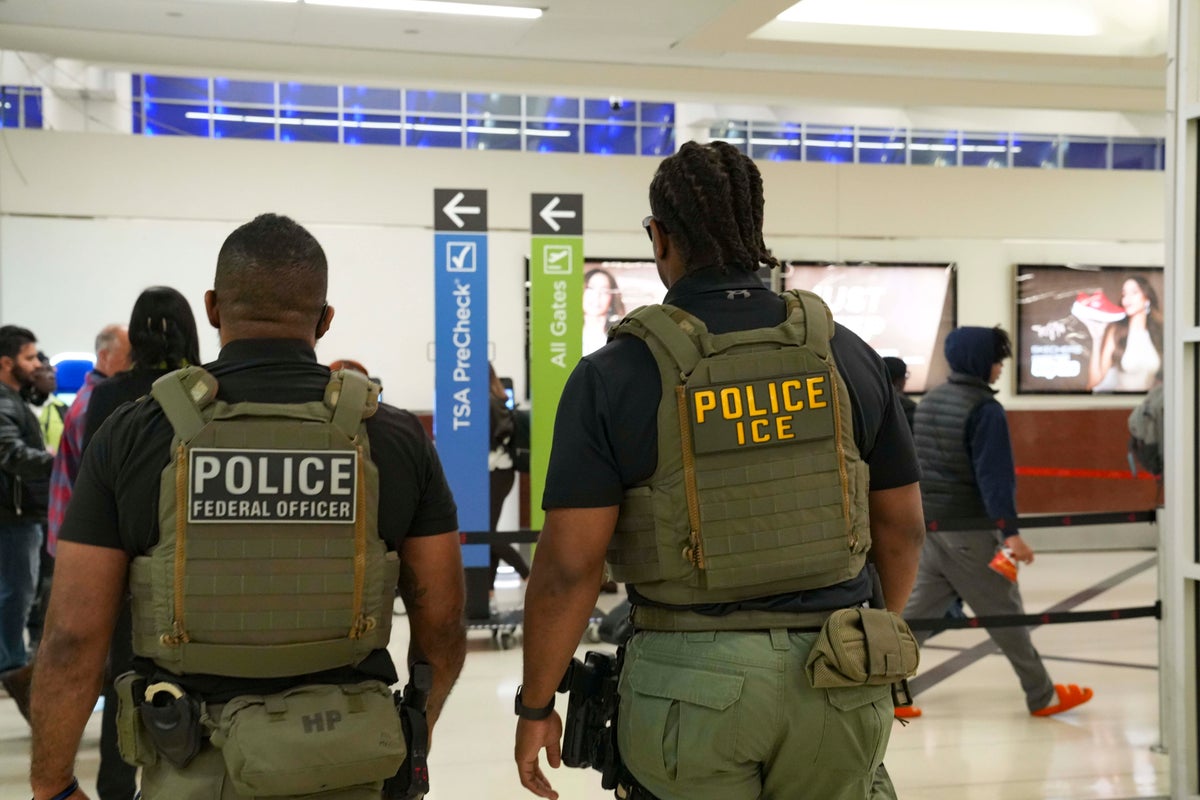
The headlines are buzzing with "shocking" figures: over 800 arrests made by Immigration and Customs Enforcement (ICE) thanks to tips from the Transportation Security Administration (TSA). The mainstream media treats this like a glitch in the matrix or a sudden overreach of authority. They are wrong. They are looking at the smoke and missing the furnace.
If you think the TSA exists to find bombs, you are living in a pre-2001 fantasy. The TSA is a massive, federally funded data-collection funnel. It is the wide end of a high-pressure pipe that feeds directly into the Department of Homeland Security’s (DHS) enforcement engines. These 800 arrests aren't an anomaly; they are the intended output of a perfectly functioning system.
We need to stop pretending the blue uniforms at the airport are there for aviation safety alone. They are the frontline intake officers for a national biometric and identity database.
The Myth of Secondary Discovery
The "lazy consensus" suggests these arrests happen by accident. The narrative goes like this: a TSA agent is checking a bag for shampoo bottles, finds something suspicious, calls a supervisor, and—whoops!—it turns out the passenger has an outstanding administrative warrant.
That is a fairy tale. It ignores the architecture of modern travel.
When you hand over your ID or look into a facial recognition scanner at the "Travel Document Checker" station, you aren't just proving you bought a ticket. You are triggering a silent, multi-agency handshake. The Secure Flight program isn't just checking for terrorists; it’s cross-referencing watchlists that have expanded to include civil immigration violations.
The TSA doesn't "stumble" upon these 800 people. The system is designed to flag them before they even take their shoes off. To call these "tips" is a polite bureaucratic euphemism. They are automated hits on a shared database.
Security Theater as a Data Harvest
Aviation security is the perfect cover for mass data collection because travelers have been conditioned to waive their Fourth Amendment rights the moment they enter the terminal. You accept a "diminished expectation of privacy" in exchange for the privilege of flight.
I have seen the way these federal pipelines are built. It’s about interoperability. When the DHS was formed, the goal was to break down "silos." In plain English, that means making sure the guy looking at your toothpaste can see the same data as the guy looking for visa overstays.
- TSA PreCheck: You pay for the privilege of giving them your fingerprints and background data voluntarily.
- Biometric Exit: Facial recognition at the gate is marketed as "convenience," but it serves as a digital fence.
- CLEAR: A private company sits on your biometrics, creating a "fast lane" that normalizes the idea of selling your biological data for five minutes of saved time.
The 800 arrests are just the tip of the iceberg. They represent the individuals "brave" or "uninformed" enough to walk into the trap. The real "success" of this system, from a DHS perspective, is the chilling effect it has on movement and the massive database of compliant citizens it builds every single day.
The Efficiency Trap
Critics argue that the TSA should "stick to its mission" of finding weapons. This assumes the mission hasn't changed.
In the world of government bureaucracy, a mission never stays small. It expands to fill the available technology. If you have 50,000 employees standing at the nation’s choke points, it would be "inefficient" (in the eyes of a bureaucrat) not to use them for every possible enforcement priority.
Why hire more ICE agents to patrol the streets when you can just wait for the targets to show up at O'Hare with a boarding pass? It’s a logistics play. The airport is a controlled environment. There are cameras everywhere. There are no exits once you’re in the queue. It is the most efficient precinct in the world.
The Brutal Truth About Identity
The fundamental misunderstanding in the public discourse is the belief that "illegal" or "unauthorized" is a binary state that the TSA isn't qualified to judge.
The reality? Identity is the new currency of security. If the TSA cannot verify your identity to a 100% degree of certainty—matching you against every federal database in existence—you are a "threat" by definition. It doesn't matter if you have a bomb or a ham sandwich. In the eyes of the modern security state, an unverified identity is the greatest weapon of all.
By flagging these 800 individuals, the TSA isn't "drifting" away from its purpose. It is fulfilling the core mandate of the DHS: the total synchronization of domestic surveillance.
The Cost of the "Safe" Terminal
We are told this makes us safer. But safer from what?
Since 2004, the TSA has failed the majority of its own undercover "Red Team" tests. They miss guns. They miss mock explosives. But they are incredibly good at catching people with paperwork issues.
We have traded actual physical security for administrative enforcement. We have built a system that is terrified of a bottle of water but obsessed with a passenger’s visa status.
This creates a massive blind spot. While the agency focuses on the "easy wins"—the 800 people already in the system—they are distracted from the unknown threats that don't have a file in a database yet. We are spending billions of dollars to turn our airports into high-tech processing centers for the administrative state, while the actual task of preventing a coordinated attack remains a game of chance.
Stop Asking the Wrong Questions
People ask: "Is it legal for the TSA to share this info?"
Answer: Yes. The "Privacy Act Notices" you never read specifically allow for "routine use" sharing between law enforcement agencies.
People ask: "Does this make flying safer?"
Answer: No. It makes the border "harder," but it doesn't stop a motivated actor from bypassing a metal detector.
The real question we should be asking is: When did we agree that a plane ticket was a waiver of our right to exist in public without a federal background check?
We didn't. We just got used to the lines. We got used to the "Randomly Selected" stickers. We got used to the idea that the person behind the plexiglass is an authority figure rather than a customer service rep for a failing security experiment.
The 800 arrests aren't a sign of "mission creep." They are a sign of "mission success" for a department that views every traveler as a data point first and a human being second.
The airport isn't a gateway to the sky anymore. It’s a digital dragnet. If you’re surprised that people are getting caught in it, you haven't been paying attention to the machinery.
The system isn't broken. It’s doing exactly what it was built to do: transform the act of travel into an act of total surrender.